
أهم آليات التوافق في البلوكتشين: إثبات العمل وإثبات الحصة وما بعدهما
دليل واضح لآليات التوافق في البلوكتشين: إثبات العمل، وإثبات الحصة، وإثبات الحصة المفوَّض، وتوافق BFT، وكيف تؤمّن كل منها الشبكة.
 Fenwei Bianالكاتب/الكاتبة
 Victor Zhouالمحرّر/المحرّرة
 Zakia al-Sina'iالمترجم/المترجمة٢ يوليو ٢٠٢٦≈ 9 دقيقة قراءة
- guide
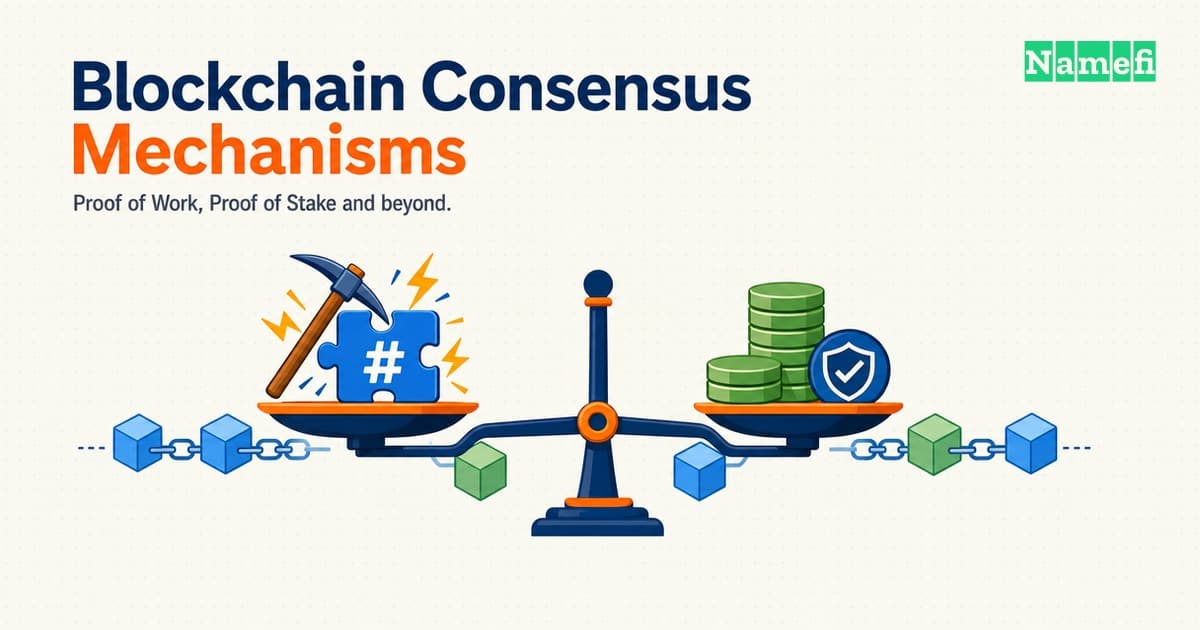
كل بلوكتشين لازم يجاوب عن سؤال واحد قبل ما نقدر نأتمنه على فلوس أي حد: مين له حق يقرر إيه اللي حصل، وبأي ترتيب؟ ما فيش بنك، ولا موثّق، ولا خادم مركزي يفرض القرار. آلية التوافق هي مجموعة القواعد اللي بيتبعها المشاركون في الشبكة عشان يتفقوا على سجل واحد مشترك للمعاملات، من غير طرف مركزي ومن غير ما يقدر حد يصرف نفس العملة مرتين.
الدليل ده بيشرح أهم آليات التوافق المستخدمة دلوقتي، وإزاي كل واحدة بتختار الكتلة التالية فعلياً، وفين بتكون المفاضلات.
ما الذي يحلّه التوافق فعلياً؟
في مشكلتين بيخلّوا الوصول لاتفاق من غير مركز صعب.
مشكلة الإنفاق المزدوج. في النظام الرقمي، وحدة القيمة مجرد بيانات، والبيانات ممكن تتنسخ. من غير حكم، ما فيش حاجة تمنع شخص من بث معاملتين متعارضتين تصرف كلتاهما نفس العملة. ورقة Bitcoin البيضاء لساتوشي ناكاموتو بتصيغ الهدف بوضوح: الشبكة محتاجة «نظام يتيح للمشاركين الاتفاق على سجل واحد لترتيب استلام المعاملات»، عشان يقدر المستلم يثق إن دفعة سابقة مش هتتلغي بدفعة لاحقة متعارضة (الورقة البيضاء لـ Bitcoin).
الاتفاق من غير طرف مركزي. في قاعدة بيانات عادية، كلمة مشغّل واحد هي الكلمة الأخيرة. أما في شبكة عامة بلا إذن، فأي شخص يقدر يشغّل عقدة، ويقترح معاملات، ويحاول يضيف الكتلة التالية، بما في ذلك مشاركون ممكن يكذبوا أو يفرضوا رقابة أو يحاولوا إعادة كتابة السجل. آلية التوافق لازم تخلي مهاجمة دفتر الأستاذ باهظة التكلفة جداً أو غير مجدية من ناحية الحوافز، وفي الوقت نفسه تكون رخيصة بما يكفي للمشاركين الصادقين عشان يفضلوا مشغّلين الشبكة.
كل آلية تحت بتقدّم إجابة مختلفة عن سؤال: «مين بيقترح الكتلة التالية، وإزاي نعرف إننا نثق فيها؟» وأهم محورين للمقارنة هما مقاومة هجمات سيبيل، أي إيه اللي يمنع مهاجماً واحداً من إنشاء عدد غير محدود من الهويات الوهمية للتفوق في التصويت على الجميع، والنهائية، أي مدى سرعة وبأي قدر من الحسم تصبح المعاملة غير قابلة للعكس.
إثبات العمل
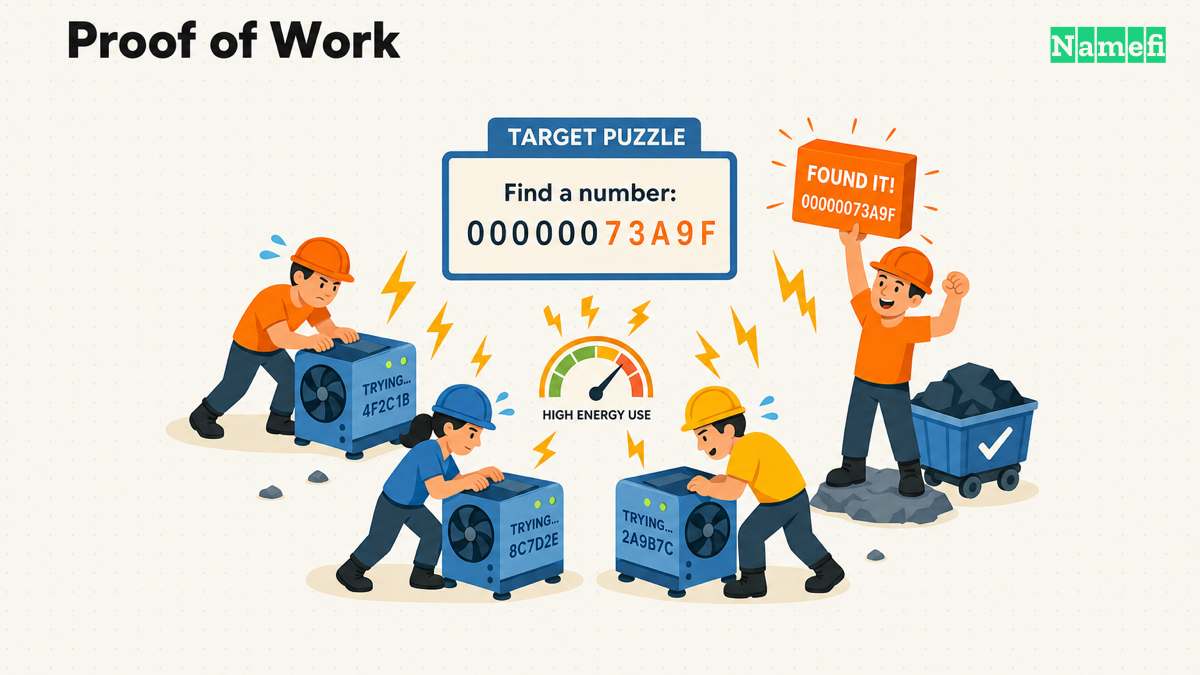
إثبات العمل (PoW) هو الآلية التي قدّمتها Bitcoin في 2009، وهي الصورة التي يتخيلها أغلب الناس لما يسمعوا كلمة «بلوكتشين». يتنافس المُعدِّنون لحل لغز تشفيري: يطبّقون التجزئة مراراً على بيانات كتلة مرشحة مع قيمة nonce إلى أن تقع التجزئة الناتجة تحت قيمة مستهدفة. وثائق المطورين الخاصة بـ Ethereum تصف السباق ببساطة: المُعدِّن «يمرّر مجموعة بيانات... مراراً عبر دالة رياضية» للعثور على حل صالح قبل أي شخص آخر (ethereum.org: إثبات العمل). اللي يلاقي تجزئة صالحة الأول يقدر يقترح الكتلة التالية ويجمع مكافأة الكتلة بالإضافة إلى رسوم المعاملات.
مقاومة هجمات سيبيل بتأتي من اللغز نفسه: حساب التجزئات يكلّف كهرباء ومعدات حقيقية، فاختراع هويات كتير ما بيدّيش أي ميزة؛ القوة الحاسوبية الخام وحدها هي اللي بتتحسب. النهائية احتمالية. ورقة Bitcoin البيضاء تصف العقد بأنها تمدّ دائماً «أطول سلسلة باعتبارها الصحيحة» (الورقة البيضاء لـ Bitcoin)، وبيزيد اطمئنان المستلم إن المعاملة استقرت لما ينتظر كتل إضافية تُعدَّن فوقها؛ كل كتلة جديدة بتخلي إعادة كتابة التاريخ أغلى أُسّياً، لكن ما فيش كتلة واحدة بتكون نهائية فوراً وبشكل رياضي.
المفاضلة هي الطاقة. تأمين الشبكة بحسابات من العالم الحقيقي معناه استهلاك كهرباء حقيقية، وده سبب قياس تعدين Bitcoin بالتيراواط-ساعة سنوياً. أمثلة على السلاسل: Bitcoin وLitecoin وDogecoin وEthereum قبل 2022.
إثبات الحصة
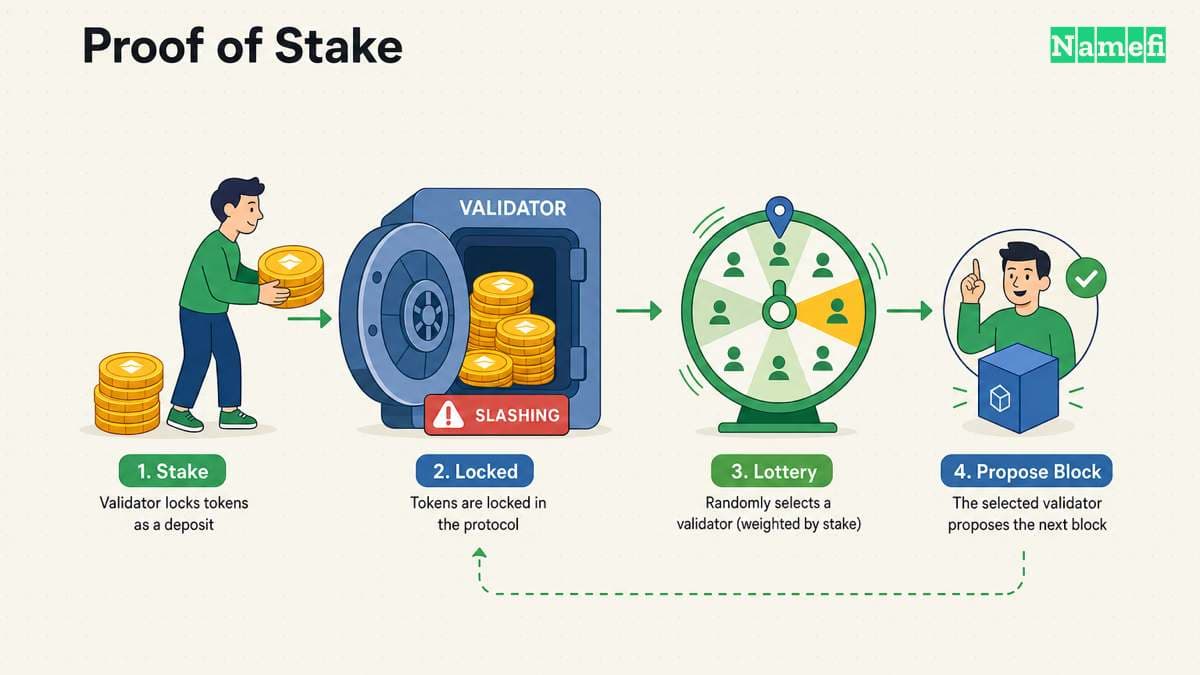
إثبات الحصة (PoS) يستبدل العمل الحاسوبي بضمان اقتصادي. بدلاً من التعدين، يقوم المشاركون بحجز الحصة، أي يقفلون الأصل الأصلي للشبكة، ثم يختار البروتوكول أحد أصحاب الحصص اختياراً شبه عشوائي لاقتراح كل كتلة. دور المدقّق في Ethereum مثال تصميمي جيد: يودع المدقّق 32 ETH ويشغّل برنامج العميل؛ بعدها يختار البروتوكول عشوائياً «مدقّقاً واحداً... ليكون مقترح كتلة في كل فتحة زمنية»، بينما تشهد لجنة مختارة عشوائياً من مدقّقين آخرين على صحة تلك الكتلة (ethereum.org: إثبات الحصة).
مقاومة هجمات سيبيل بتأتي من الحصة نفسها: إنشاء مدقّقين وهميين كثيرين معناه فقط تقسيم رأس المال نفسه على هويات أكثر، وده لا يشتري نفوذاً إضافياً. السلوك غير النزيه، مثل اقتراح كتل متعارضة أو شهادات متناقضة، يُعاقب بـ القطع (slashing): يحرق البروتوكول جزءاً من حصة المدقّق المخالف (ethereum.org: إثبات الحصة). تُنهي Ethereum الكتل في عصور باستخدام آلية نقاط التحقق (Casper FFG مقترنة بقاعدة اختيار التفرع LMD-GHOST)، وده يمنح ضمانات نهائية أقوى من إثبات العمل البحت من غير الحاجة لتصويت BFT أحادي الجولة.
أبرز مفاضلة مقارنةً بإثبات العمل هي الطاقة: حجز الحصة لا يحتاج لمعدات متخصصة تتسابق لحل الألغاز، ولذلك، كما يذكر ethereum.org، «لا توجد حاجة لاستهلاك كميات كبيرة من الطاقة في حسابات إثبات العمل» (ethereum.org: إثبات الحصة). وحجم التوفير ده موثّق جيداً: تحليل مستقل من CCRI وجد أن انتقال Ethereum من PoW إلى PoS في سبتمبر 2022، أو «The Merge»، خفّض الاستهلاك السنوي للكهرباء في الشبكة بأكثر من 99.988% (ethereum.org: استهلاك الطاقة). أمثلة على السلاسل: Ethereum وCardano وSolana (تستخدم PoS للأمن الاقتصادي إلى جانب إثبات التاريخ) وPolkadot.
إثبات الحصة المفوَّض
إثبات الحصة المفوَّض (DPoS) بيحافظ على نموذج الحصة لكنه يضيف طبقة انتخابية. بدلاً من أن يكون كل صاحب حصة مؤهلاً بمفرده لاقتراح الكتل، يصوّت حاملو التوكنات بحصصهم لمجموعة صغيرة من المندوبين، ويُطلق عليهم أيضاً الشهود أو منتجو الكتل، ولا تنتج الكتل فعلياً إلا تلك المجموعة المنتخبة. قوة التصويت بتتناسب مع عدد التوكنات المملوكة، والمجال يشرح الآلية الأساسية كويس: «قوة تصويت كل حامل توكن تتناسب مع عدد التوكنات التي يحملها»، والانتخابات مستمرة، لذلك يقدر الحائزون يعيدوا توزيع أصواتهم أو يعزلوا المندوبين ضعيفي الأداء في أي وقت (Binance Academy: شرح إثبات الحصة المفوَّض).
مقاومة هجمات سيبيل ما زالت قائمة على الحصة، فالأصوات موزونة بالتوكنات المملوكة لا بعدد الحسابات، لكن إنتاج الكتل يتركز في لجنة صغيرة منتخبة بدلاً من أن يكون مفتوحاً لكل صاحب حصة. وهذا التركّز هو الفكرة كلها: لأن مجموعة المدقّقين النشطة صغيرة ومعروفة مسبقاً، تستطيع شبكات DPoS «تحقيق أزمنة كتل سريعة، وغالباً ما تكون أقل بكثير من ثلاث ثوانٍ» (Binance Academy: شرح إثبات الحصة المفوَّض). المقابل هو اللامركزية: معظم شبكات DPoS تعمل بنحو «21 إلى 101 مدقّق نشط»، وهي مجموعة أصغر بكثير من مئات أو آلاف المدقّقين المعتادة في شبكات PoS المفتوحة، كما إن عزوف الناخبين قد يسمح للمندوبين أنفسهم بترسيخ مواقعهم بمرور الوقت (Binance Academy: شرح إثبات الحصة المفوَّض). أمثلة على السلاسل: EOS وTRON، وكثير من سلاسل التطبيقات المبكرة المبنية على Cosmos SDK بصيغة معدلة.
التوافق بأسلوب BFT (Tendermint / CometBFT وPBFT)
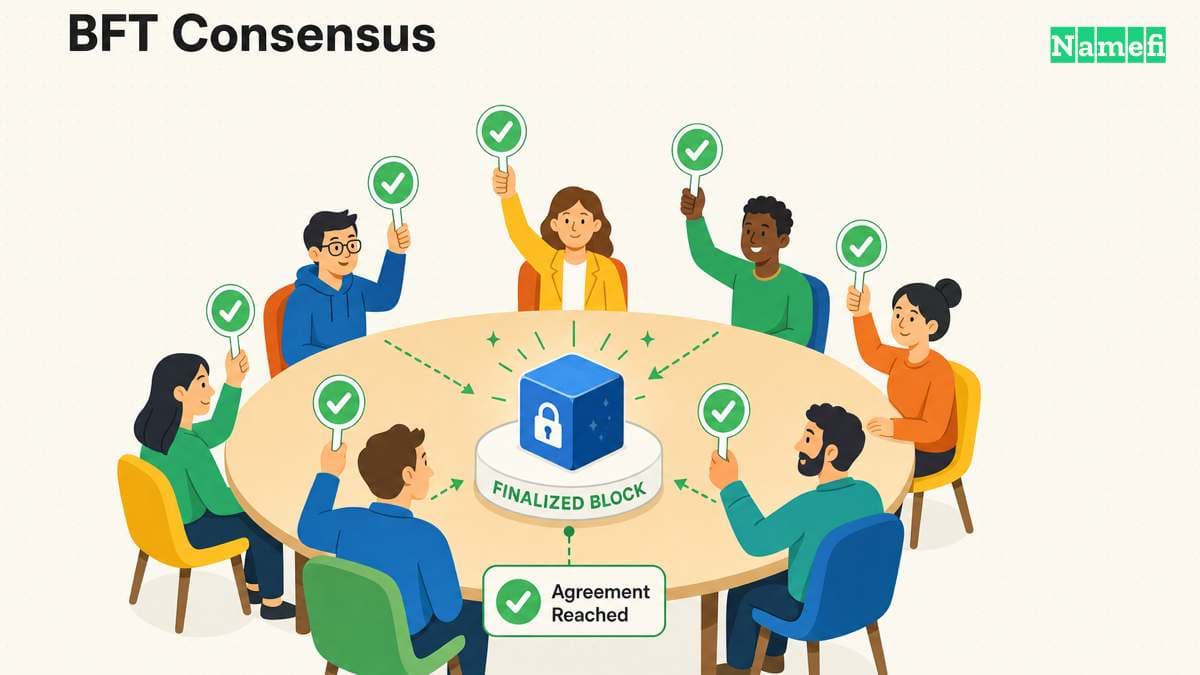
توافق تحمّل الأعطال البيزنطية (BFT) بياخد نهجاً مختلفاً تماماً: بدلاً من السباق أو اختيار مقترح واحد عشوائياً لكل كتلة، تُجري مجموعة معروفة من المدقّقين جولات تصويت صريحة ولا تلتزم بكتلة إلا لما توافق عليها أغلبية فائقة، عادةً أكثر من ثلثي قوة التصويت، في الجولة نفسها. يصف CometBFT، وهو خليفة Tendermint Core ومحرك التوافق خلف Cosmos SDK، نفسه بأنه ينفّذ «تكرار آلة حالة متحمّلة للأعطال البيزنطية (BFT) لآلات حالات منتهية وحتمية مهما كان نوعها» (وثائق Cosmos: CometBFT)، أي إنه يحوّل مجموعة من العقد التي تعمل باستقلال إلى دفتر أستاذ واحد متسق ومكرر حتى لو كان بعضها معيباً أو خبيثاً.
مقاومة هجمات سيبيل في السلاسل بأسلوب Tendermint عادةً ما تُضاف فوق البروتوكول عبر حجز الحصة، إذ تُوزن قوة المدقّقين بالحصص مثل PoS، بينما بروتوكول تصويت BFT نفسه يوفر النهائية: بمجرد أن تجمع الكتلة الأغلبية الفائقة المطلوبة من توقيعات المدقّقين في جولة، تُلتزم ولا تصبح عرضة لإعادة التنظيم كما يمكن أن يحدث لكتلة PoW. ده يوفر تسوية عملية سريعة؛ فشبكة Cosmos تبرز تسوية المعاملات في أقل من ثانية عبر السلاسل المبنية على CometBFT (Cosmos Network)، على عكس نموذج إثبات العمل الذي يؤكد المعاملة بالانتظار. المفاضلة هي إن بروتوكولات BFT تحتاج أن تكون مجموعة المدقّقين معروفة ومحدودة الحجم، لأن أعباء التواصل تكبر مع عدد المدقّقين، وده يحدّ من عدد المدقّقين القادرين على المشاركة مباشرةً. أمثلة على السلاسل: Cosmos Hub وسلاسل Cosmos SDK الأخرى (CometBFT)، وBinance Chain، ودفاتر الأستاذ المصرح بها أو المؤسسية المبنية على تصميم التحمل العملي للأعطال البيزنطية (PBFT) الأصلي.
ما بعد ذلك: إثبات التاريخ وإثبات السلطة وإثبات المساحة
هناك عدة آليات أخرى تكمل المشهد؛ كل واحدة منها تحل مشكلة أضيق بدلاً من أن تستبدل السؤال الأساسي عن مقاومة هجمات سيبيل.
إثبات التاريخ (PoH)، الذي تستخدمه Solana إلى جانب PoS، ليس آلية توافق مستقلة بل ساعة تشفيرية. يضيف طوابع زمنية قابلة للتحقق مباشرة إلى السلسلة عبر تجزئة «بيانات الحالات المُولّدة سابقاً» مراراً، فينشئ تسلسلاً يثبت مقدار الوقت الذي مر بين الأحداث من غير ما يحتاج المدقّقون للتواصل بشأن الوقت (Solana: إثبات التاريخ). الساعة دي بتدي المدقّقين ترتيباً قابلاً للتحقق لأغراض التوافق، لكنها مش هي اللي بتنفّذ المعاملات بالتوازي. التنفيذ المتوازي بيجي من Sealevel: معاملات Solana بتعلن مسبقاً عن كل حساب هتقرأ منه أو تكتب فيه، وده بيسمح لبيئة التشغيل تنفّذ في نفس الوقت المعاملات اللي ما بتتداخلش، وكمان المعاملات اللي بتقرأ بس من نفس الحالة (Solana: Sealevel).
إثبات السلطة (PoA) بيستبدل التعدين المفتوح أو التحقق القائم على الحصة بمجموعة مصرّح لها من الموقّعين. مقارنةً بـ PoW، ده بيقلّل بشدة تكلفة الموارد اللازمة لإنتاج الكتل؛ ethereum.org بيوضّح إن PoA بيتجنّب احتياج PoW لتعدين عالي الموارد (ethereum.org: إثبات السلطة). لكنه ما بيلغيش تكاليف تشغيل الشبكة أو تأمينها. عبء الأمن والحوكمة بينتقل لهويات المدقّقين الموثوق فيهم، وسمعتهم، وقواعد قبول الموقّعين: PoA بيتطلب الثقة في موقّعين معروفين، وغالباً هوياتهم بتتثبت عن طريق KYC أو مؤسسات معروفة (ethereum.org: الموقّعون الموثوقون)، والتنفيذ اللي بيشرحه ethereum.org بيسمح للموقّعين يصوّتوا على إضافة نظرائهم أو إزالتهم (ethereum.org: قبول الموقّعين). وهو بيستبدل قدراً من اللامركزية بالسرعة وتكلفة التشغيل المنخفضة، وده سبب استخدامه غالباً في السلاسل الخاصة وشبكات الاختبار وشبكات التطوير المحلية، لا في الشبكات العامة التي قد تواجه خصوماً.
إثبات المساحة، وقريبه إثبات المساحة والزمن، يستبدل مساحة القرص المخصصة بالقوة الحاسوبية أو الحصة: يثبت المشاركون إنهم خصصوا مساحة غير مستخدمة على القرص الصلب، ويتحداهم البروتوكول دورياً لإثبات إنهم ما زالوا يحتفظون بها. وهو يقدم مقاومة هجمات سيبيل شبيهة بإثبات العمل لكن ببصمة طاقة أصغر بكثير، مقابل الحاجة إلى كميات كبيرة من عتاد التخزين. Chia هو أشهر مثال.
مقارنة الآليات
| الآلية | أساس مقاومة هجمات سيبيل | النهائية | تكلفة الطاقة | اللامركزية | أمثلة على السلاسل |
|---|---|---|---|---|---|
| إثبات العمل | تكلفة حاسوبية (التجزئة) | احتمالية (تأكيدات) | مرتفعة جداً | مرتفعة (تعدين بلا إذن) | Bitcoin وLitecoin وDogecoin |
| إثبات الحصة | حصة اقتصادية معرّضة للخطر | نقاط تحقق / شبه نهائية داخل العصور | منخفضة جداً | مرتفعة (مئات الآلاف من المدقّقين) | Ethereum وCardano وPolkadot |
| إثبات الحصة المفوَّض | تصويت مرجح بالحصة للمندوبين | سريعة وشبه فورية لكل منتج منتخب | منخفضة جداً | أقل (مجموعة صغيرة من المدقّقين المنتخبين) | EOS وTRON |
| بأسلوب BFT (Tendermint/CometBFT وPBFT) | حصة أو هوية مصرّح بها + تصويت بأغلبية فائقة | فورية/حتمية عند الالتزام | منخفضة | متوسطة (مجموعة مدقّقين محدودة) | Cosmos Hub وBinance Chain |
| إثبات السلطة | هوية/سمعة تم التحقق منها | سريعة وشبه فورية | منخفضة جداً | منخفضة (مجموعة صغيرة موثوق بها من المدقّقين) | سلاسل خاصة/مؤسسية وشبكات اختبار |
| إثبات المساحة | سعة تخزين مخصصة | احتمالية (قائمة على الكتل) | منخفضة | متوسطة (تعتمد على عتاد التخزين) | Chia |
كيف يرتبط هذا بالنطاقات المُرمَّزة؟
آليات التوافق هي الأساس غير المرئي اللي بيقوم عليه كل دومين مُرمَّز. لما يُسكّ دومين .com أو .ai أو .io على هيئة NFT (رمز غير قابل للاستبدال)، توافق السلسلة هو اللي بيؤمّن سجل ملكيته على السلسلة، وأي عملية نقل للتوكن أو تسوية لبيعه تكون مسجلة عليها. لكنه ما بيستبدلش عمليات شركة تسجيل الدومين ومشغّل السجل، وهي اللي بتجدّد دومين DNS الأساسي وتحافظ على سريان تسجيله. دومين NFT يُسكّ على Ethereum بيرث ضمانات النهائية المعتمدة على نقاط التحقق في نظام PoS الخاص بـ Ethereum؛ أما الأصل نفسه على سلسلة PoW فبيرث نموذج التأكيد الاحتمالي لتلك السلسلة. كمان رسوم المعاملات والوقت اللي بيستناه المستخدم قبل ما تستقر المعاملة عملياً بيعتمدوا على قدرة التنفيذ، والطلب على الشبكة، وهل بيستخدم L1 أو L2؛ ومش بيتحددوا بالاختيار بين PoW وPoS لوحده. وفهم الآلية اللي بتقوم عليها السلسلة، وإيه اللي بتؤمّنه فعلاً، وإيه معنى ضماناتها لمقاومة هجمات سيبيل والنهائية، جزء من تقييم أي أصل على السلسلة، بما فيه الدومينات المُرمَّزة.
المصادر وقراءة إضافية
- Bitcoin: نظام نقد إلكتروني من نظير إلى نظير (ورقة ناكاموتو البيضاء)
- ethereum.org — إثبات العمل
- ethereum.org — إثبات الحصة
- ethereum.org — إثبات السلطة
- ethereum.org — استهلاك الطاقة
- وثائق Cosmos — CometBFT
- Cosmos Network
- Binance Academy — شرح إثبات الحصة المفوَّض
- Solana — إثبات التاريخ
- Solana — Sealevel: معالجة آلاف العقود الذكية بالتوازي
المساهمون
Fenwei Bian مطورة برمجيات في الثلاثينات، بتقضي ساعات شغلها وسط طلبات السحب، وفي نهاية الأسبوع بتكون إيديها في التراب أو نشارة الخشب. سنين من الشغل في مشروعات المصدر المفتوح على GitHub علمتها إن الأسماء هي واجهات: الاسم الكويس واضح، وصريح بخصوص وظيفته، ومراعي للشخص اللي هيستخدمه بعد كده.
بتزرع لأن الزراعة بتكافئ الصبر وبتعاقب اللي يعتمد على الأماني، وبتشتغل في النجارة لأن الوصلة يا تركب يا ما تركبش. العادتين دول باينين في طريقتها في الكتابة عن التسمية: قيس مرتين، وراجع المصدر، وما تصنفرش فوق عيب على أمل إن محدش ياخد باله.
في Namefi، بتكتب عن إزاي أسواق الدومينات بتتحرك على أرض الواقع، والمفاضلات العملية في تحويل الأسماء لتوكنات وإعادة بيعها، واختيار دومين تفضل مبسوط إنك مالكه بعد عشرين سنة.
Victor Zhou مؤسس في مجال التكنولوجيا ومحرر معايير، وبيركز على الهوية الرقمية والثقة. أسس Namefi، وبيحرر مقترحات تحسين Ethereum، وقبل كده قاد شغل هندسة معمارية للعقود الذكية في Google Labs.
شغله موجود عند نقطة التقاطع بين التسمية والملكية والأنظمة اللي الناس بتستخدمها علشان تثبت هويتها على الإنترنت. المنظور ده مخليه مهتم بشكل خاص بالطريقة اللي الأسماء بتتنقل بيها بين المعنى الشخصي والاعتراف العام والبنية التحتية الرقمية.
في Namefi، Victor بيحرر وبيكتب عن الدومينات كهوية رقمية طويلة الأمد: إزاي الأسماء تتحول لأصول onchain قابلة للتملك، وإزاي تحويلها لتوكنات بيغير طريقة حيازة الأصول والثقة، وإيه اللي مجال التسمية ممكن يتعلمه من الأنظمة اللي الناس بتستخدمها علشان تثبت هويتها على الإنترنت.
Zakia al-Sina'i (زكية الصناعي) مترجمة ومتخصصة في التوطين في أواخر العشرينات ومقيمة في القاهرة. درست هندسة كهربائية في جامعة عين شمس، وبعدها لقيت إن كتابة ترجمة مصاحبة لمحاضرات تقنية لصحابها اتحولت من غير ما تحس لمسار مهني بتنقل فيه النصوص التقنية بين الإنجليزية والعربية.
بتشتغل بالأسلوب المصري الحديث اللي أغلب قراء التكنولوجيا والأعمال بيستخدموه فعلًا، مش بالرسمية بتاعة الكتب الدراسية، وبتدقق بعناد في التفاصيل الصغيرة: اسم العلامة التجارية يتنقل صوتيًا إزاي، وإمتى مصطلح مكتوب بحروف لاتينية لازم يفضل زي ما هو، وهل الجملة طبيعية لما تتقال بصوت عالي. نهاية الأسبوع عندها للقهوة التقيلة، وأكشاك الكتب المستعملة في سور الأزبكية، والجدال في الكورة.
في Namefi، بتوطن للعربية مقالات عن أسماء الدومينات والهوية الرقمية، وبتنقل فيها مش بس الكلمات، لكن كمان السمعة والتلاعبات اللفظية والثقل الثقافي اللي الأسماء بتكتسبه في الطريق.
أدلة ذات صلة
- Top Fully Homomorphic Encryption Schemes: BFV, BGV, CKKS and TFHEA practical comparison of BFV, BGV, CKKS, and TFHE by data type, bootstrapping cost, workload fit, maturity, and available libraries.
- Top Rollup Types: Optimistic, ZK, Validium and Volition ComparedCompare optimistic rollups, ZK rollups, validiums, and volitions by data availability, security inheritance, withdrawal delay, cost, and networks.
- Top Zero-Knowledge Proof Systems: Groth16, PLONK, STARKs, Halo2 and NovaA practical comparison of Groth16, PLONK, STARKs, Halo2, and Nova across proof size, proving speed, setup, verification, and EVM fit.
- Domain vs Hosting: What You Need to Put a Website OnlineUnderstand the difference between a domain name and web hosting, what each provides, and how to connect them when using different providers.