다루는 주제
아티클
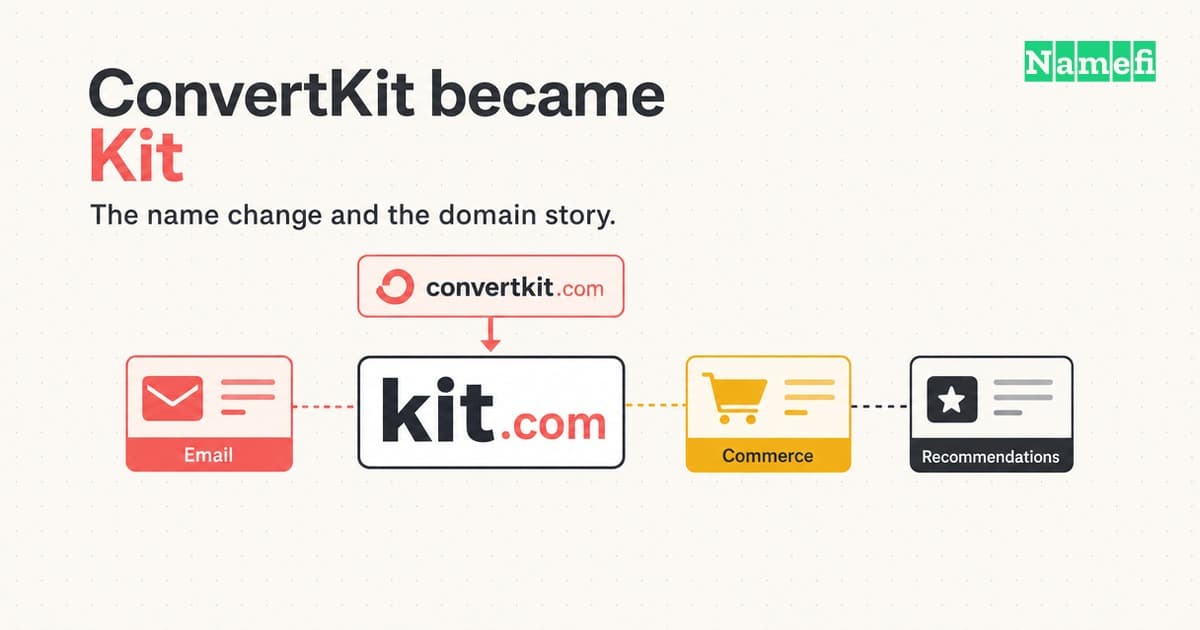
ConvertKit Became Kit After a Domain Opportunity Reopened the Naming Question
ConvertKit is now Kit. Follow the Seva reversal, the kit.com domain opportunity, and the creator research behind the new name.
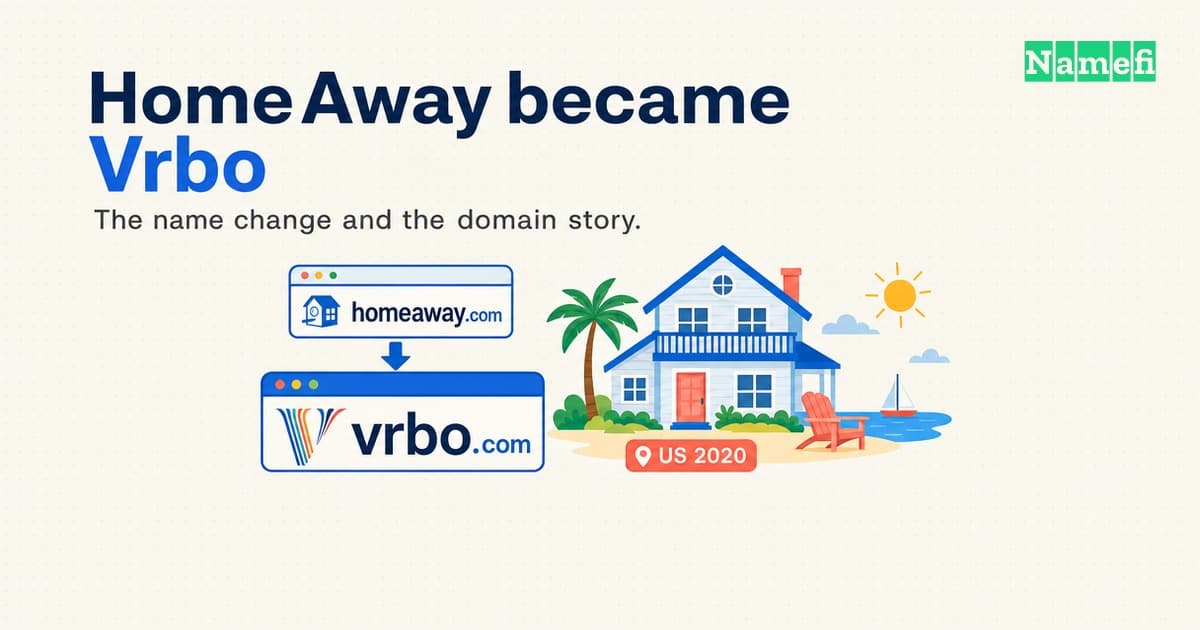
HomeAway Became Vrbo as Expedia Consolidated Its Vacation Rental Brands
HomeAway is now Vrbo in the US. Expedia announced the US retirement in June 2020 to consolidate vacation rental traffic on one domain.
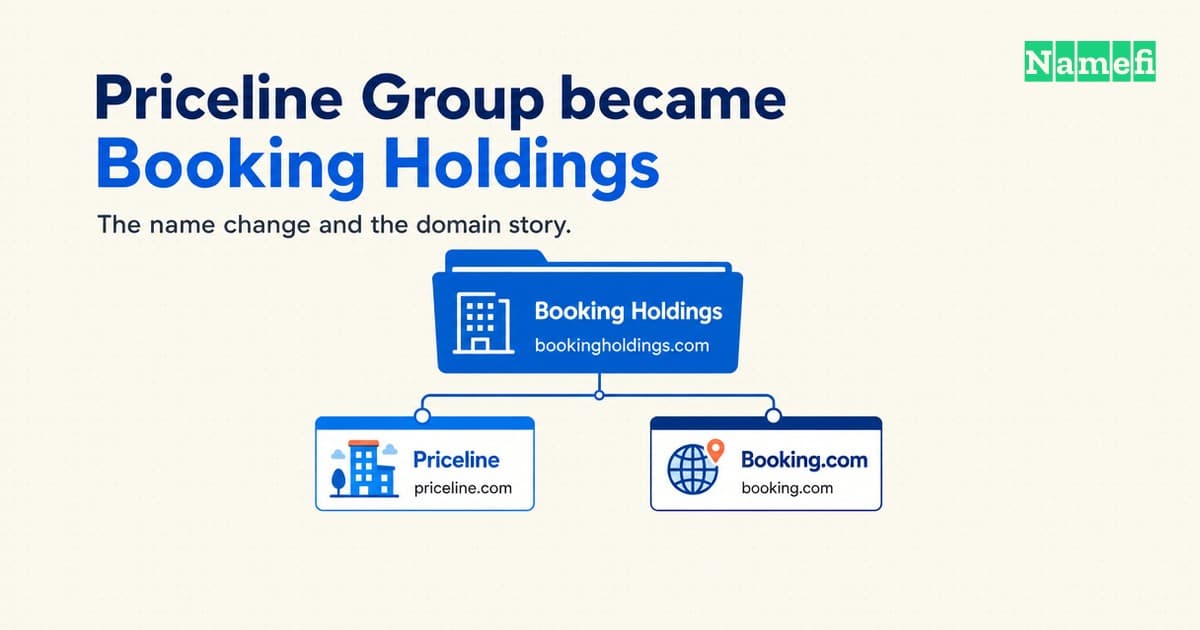
Priceline Group Became Booking Holdings While Priceline Kept Its Own Brand
Priceline and Booking.com are sibling brands under Booking Holdings. Learn how the 2018 corporate rename separated parent identity from consumer brands.
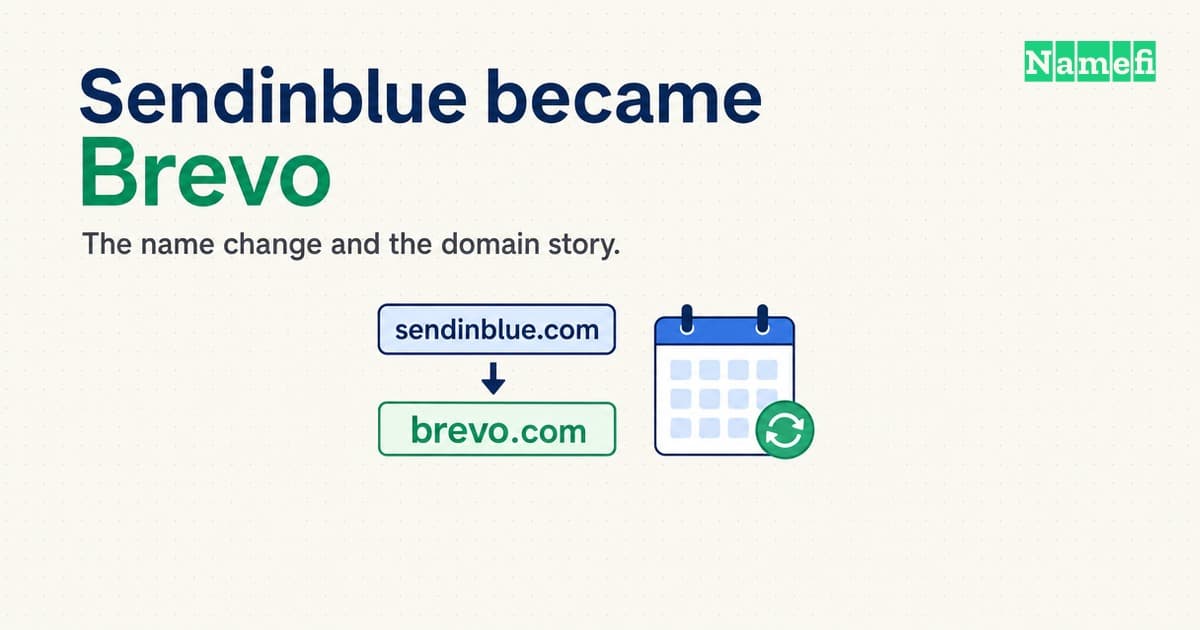
Sendinblue Became Brevo and Its Domain Incident Exposed the Work Behind a Rename
Brevo is the same company as Sendinblue, rebranded in 2023. A domain expiry incident reveals the operational complexity behind a major rename.
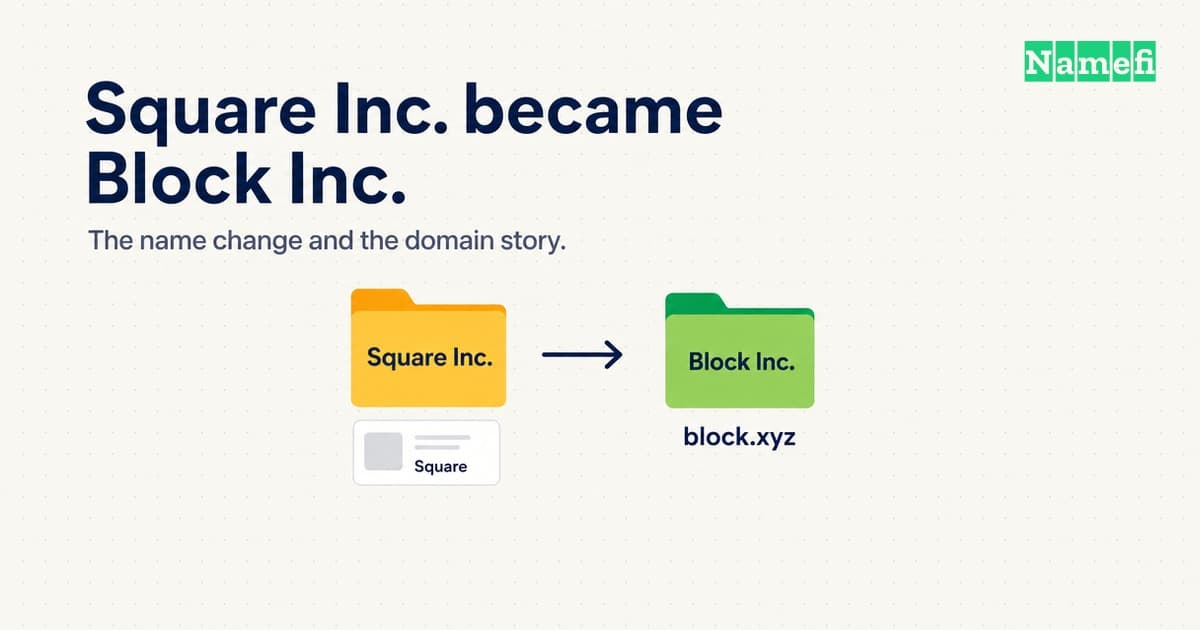
Square Inc. Became Block While the Square Seller Brand Kept Its Name
Square Inc. renamed itself Block Inc. in December 2021, while the Square seller product kept its name. Here is what changed and why block.xyz matters.
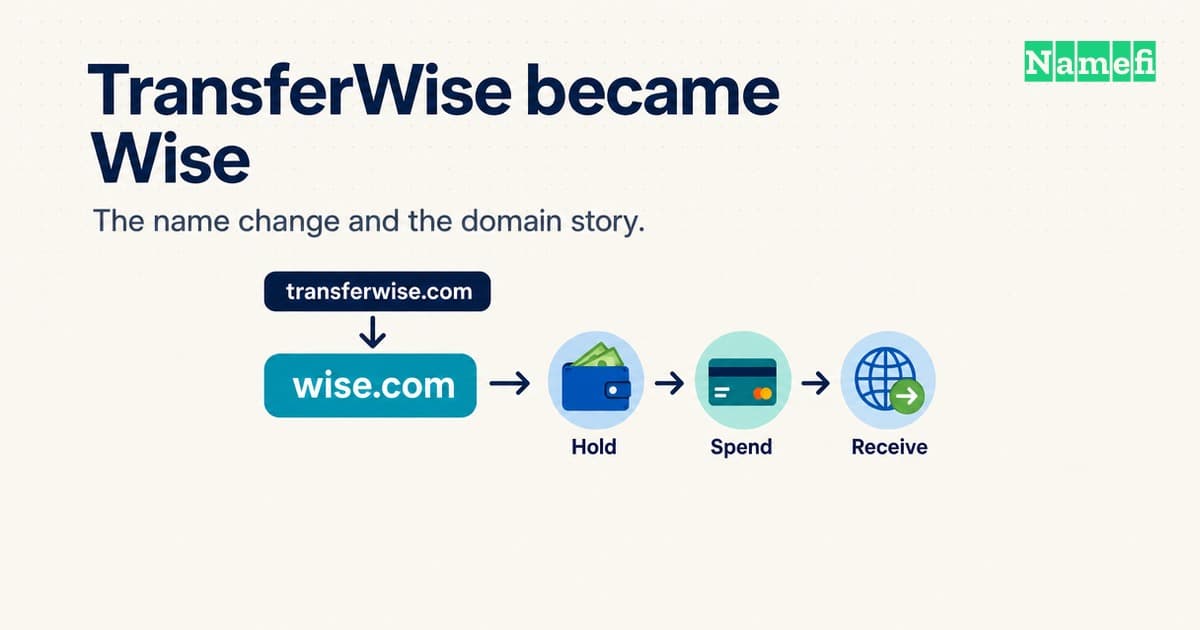
TransferWise Became Wise When Money Transfers No Longer Described the Business
Wise is the same company as TransferWise. The 2021 rename moved the domain to wise.com. The visual refresh followed in 2023.
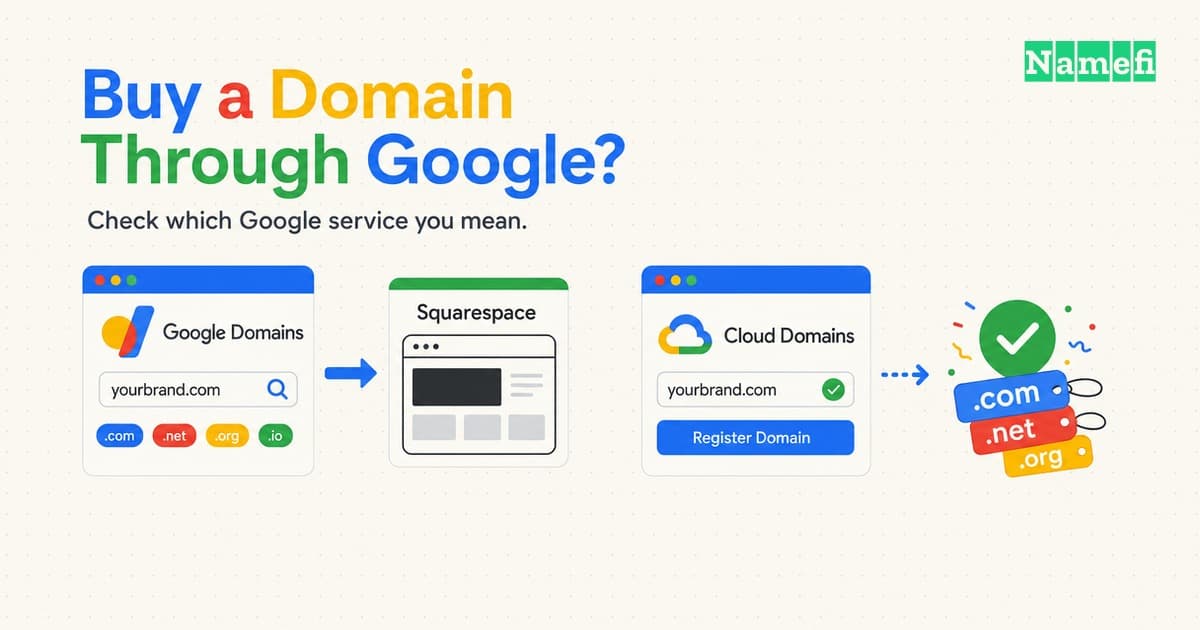
Google Domains Has Closed, but Cloud Domains Still Registers Domains
Separate Google Domains, Cloud Domains, and Google Workspace before buying a domain. Find the current registrar, checkout, DNS, and support route.
eMudhra CA 침해는 도메인 보안에 HTTPS 이상의 보호가 필요함을 보여 준다
eMudhra CA 키 침해, 웹사이트 사칭 위험, DNSSEC·DANE·CAA·CT가 제공하는 서로 다른 보호를 설명한다.
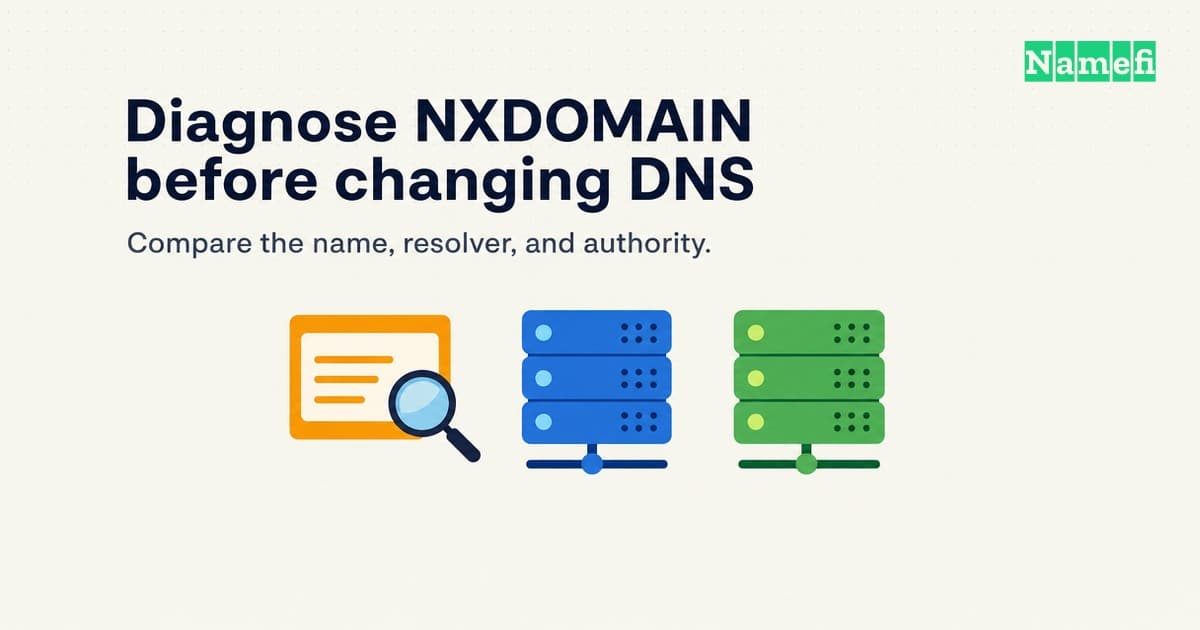
DNS_PROBE_FINISHED_NXDOMAIN Requires a Name and Resolver Check
Diagnose DNS_PROBE_FINISHED_NXDOMAIN by checking the exact name, browser lookup path, resolver responses, authoritative records, and negative caches.
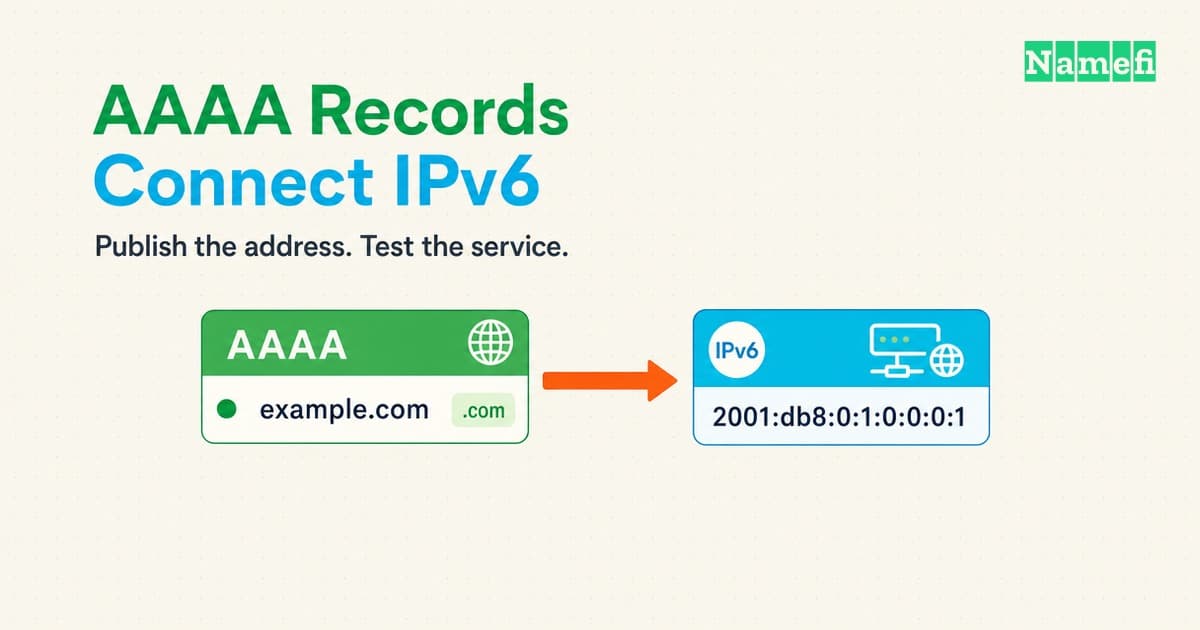
AAAA Records Connect Domain Names to IPv6 Addresses
Learn what AAAA records do, when to publish IPv6 addresses, and how to diagnose a site that works over IPv4 but fails over IPv6.
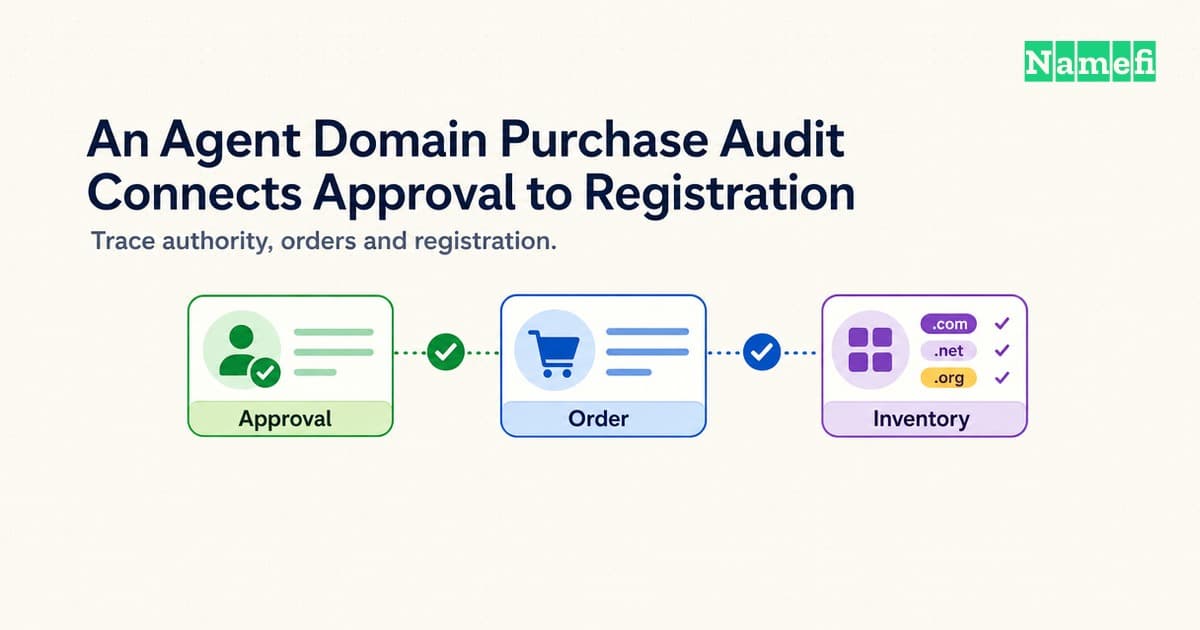
An Agent Domain Purchase Audit Connects Approval to Registration
Audit AI agent domain purchases by reconciling permission, provider orders, charges, account ownership, and DNS changes.
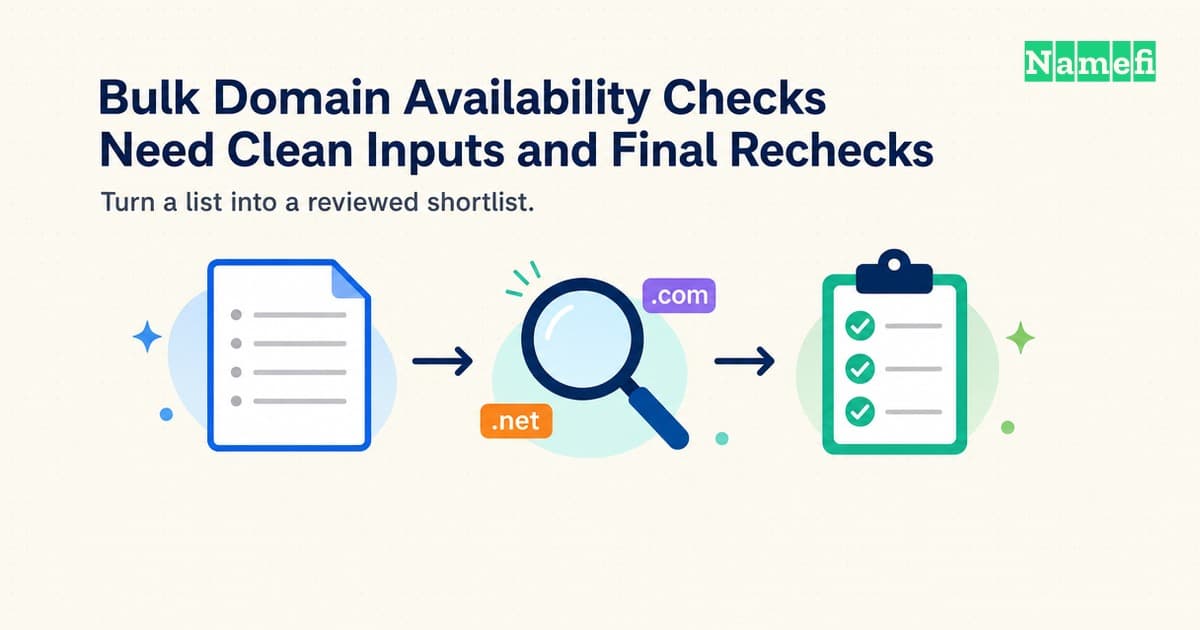
Bulk Domain Availability Checks Need Clean Inputs and Final Rechecks
Clean a bulk domain list, respect API limits, recover from rate limits, preserve unknown results, and recheck prices before buying.
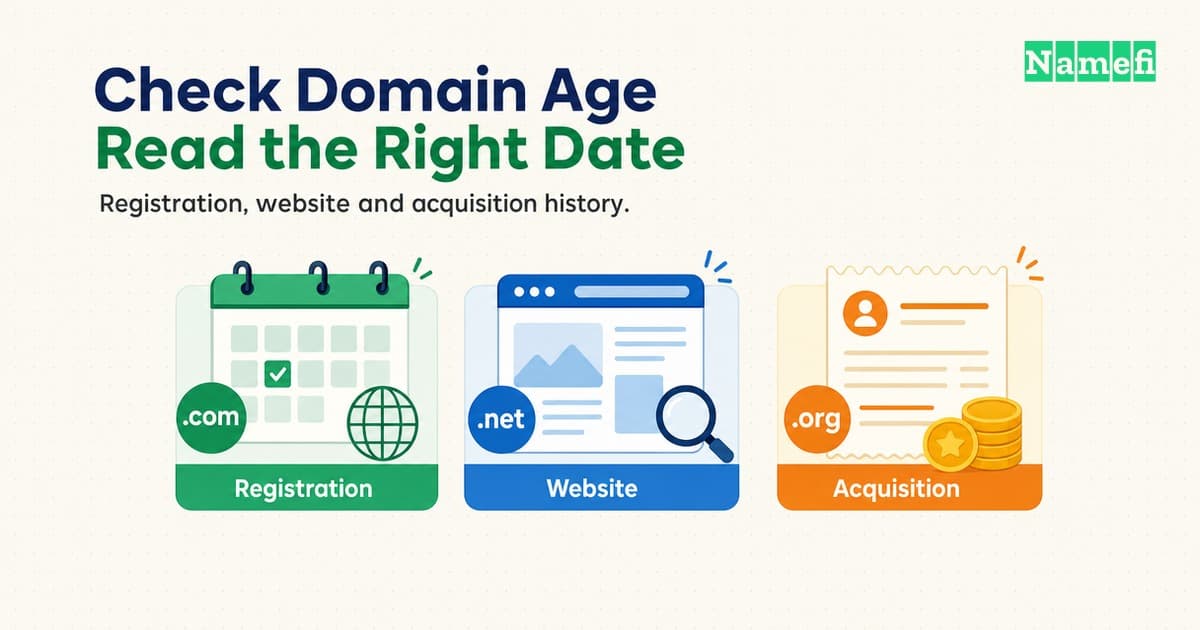
Domain Age Requires Separate Registration and Website Checks
Check domain age with registration data, then separate website history, ownership changes, and evidence gaps before trusting an age claim.
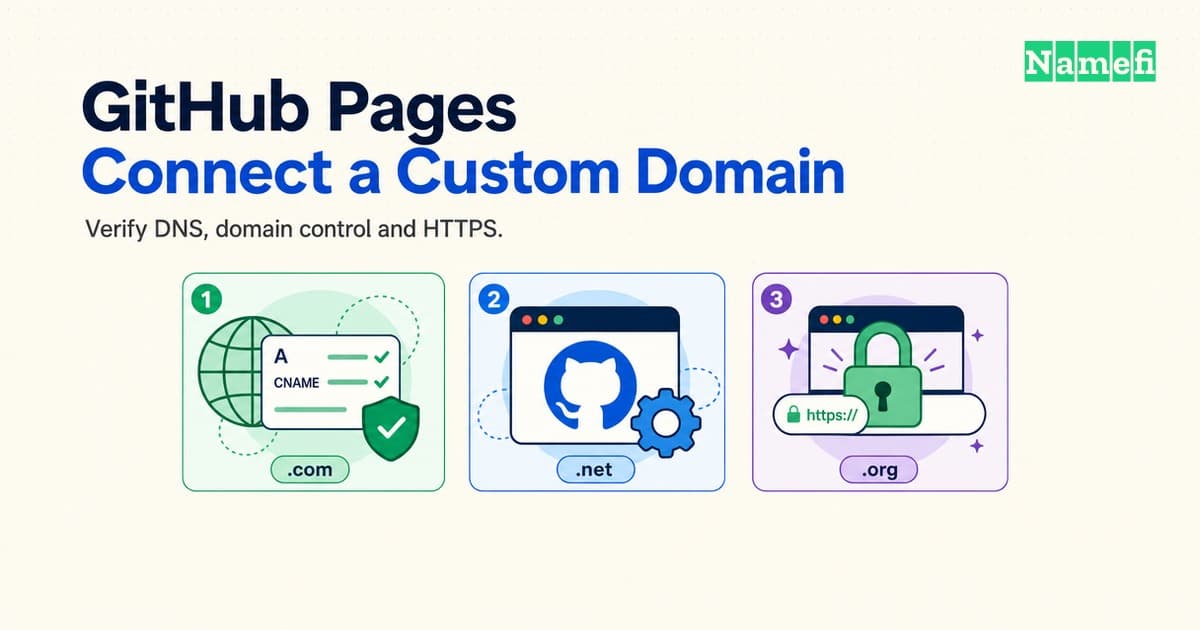
A custom domain connects GitHub Pages through DNS and HTTPS
Connect an apex domain or subdomain to GitHub Pages, verify domain control, check DNS records, and resolve HTTPS failures.
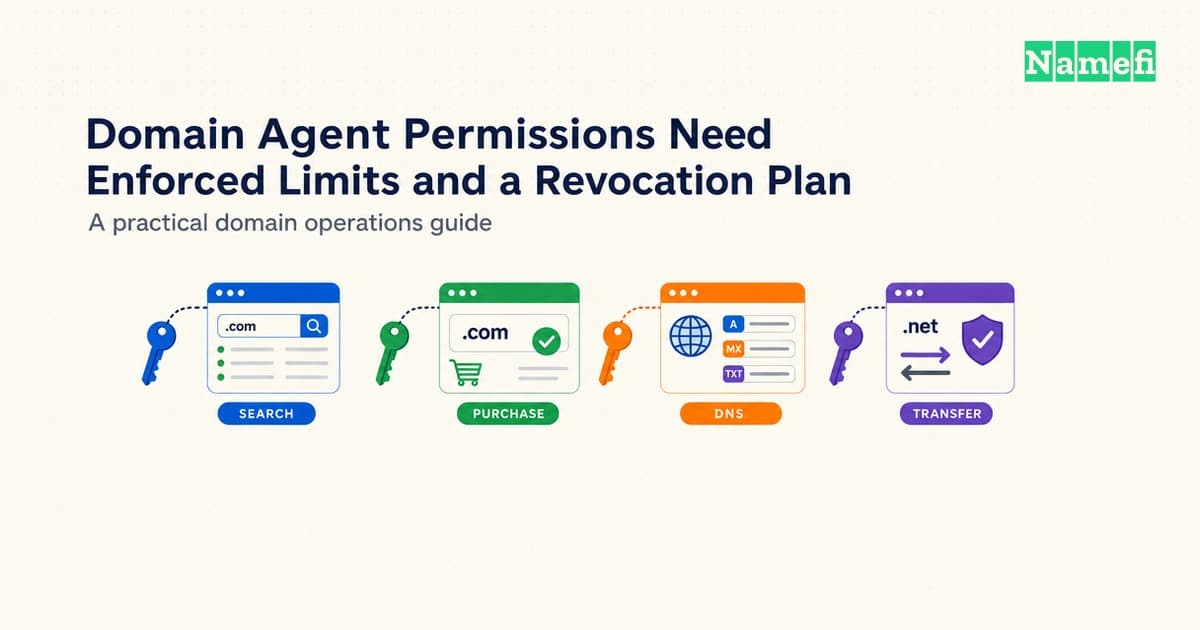
Domain Agent Permissions Need Enforced Limits and a Revocation Plan
Delegate domain tasks with verified account permissions, domain boundaries, purchase controls, approval records, and a tested revocation path.
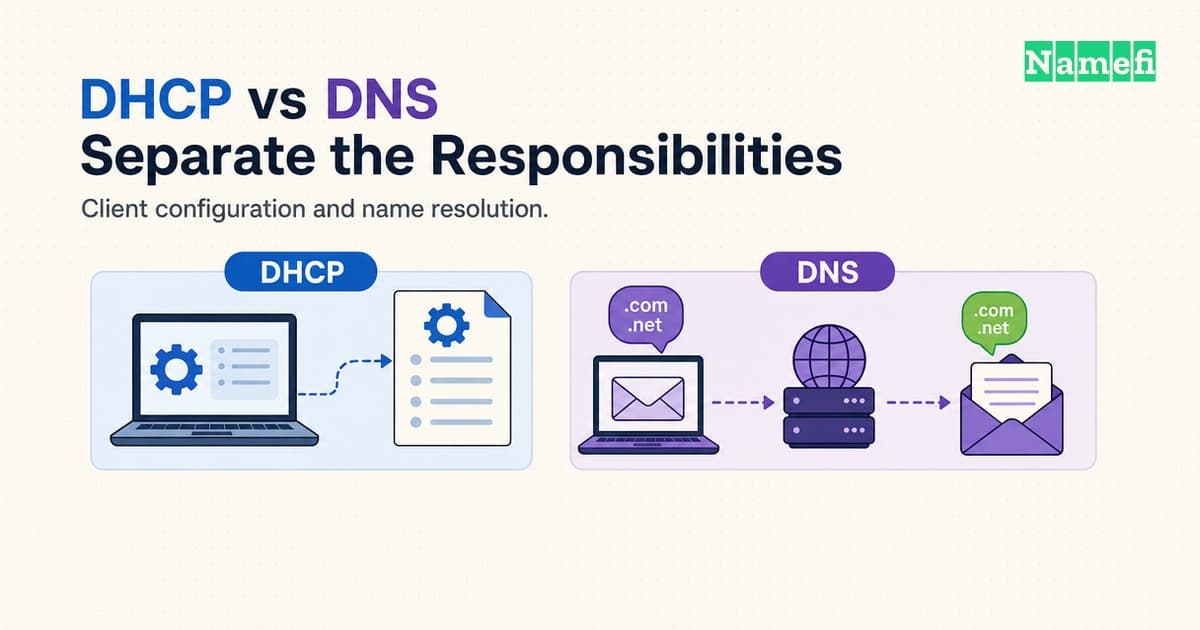
DHCP configures network clients while DNS resolves names
Separate DHCP leases, DNS resolver settings, authoritative records, and dynamic updates before troubleshooting a network connection.
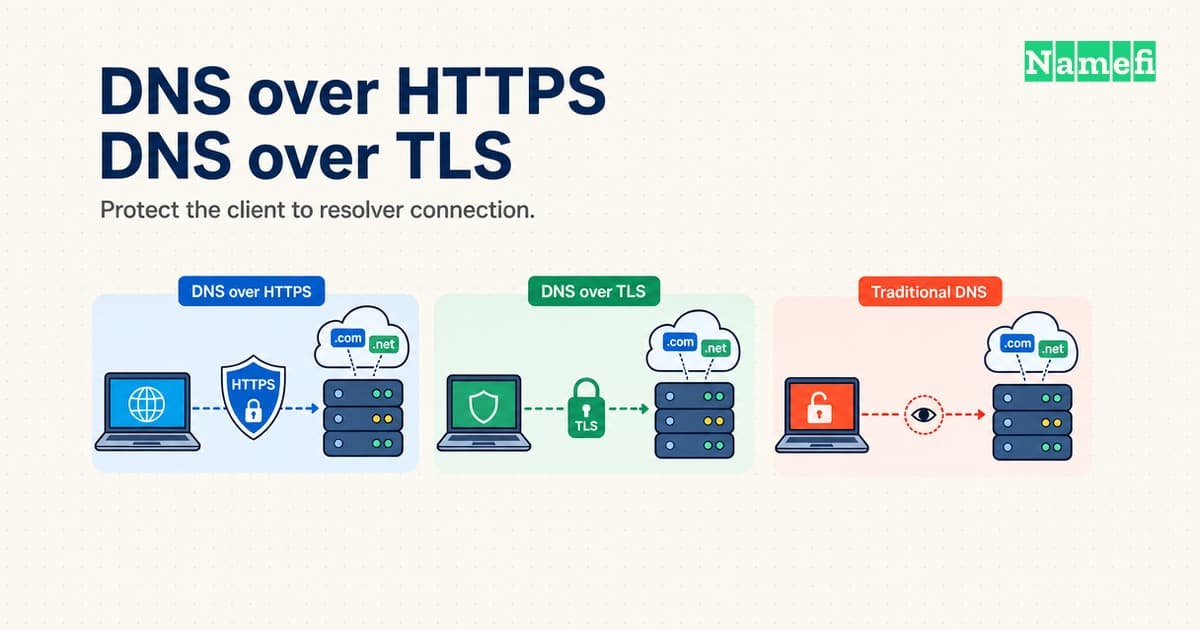
DNS over HTTPS and DNS over TLS protect the resolver connection differently
Compare DoH and DoT ports, authentication, fallback, and privacy limits, then verify which DNS connection your device actually uses.
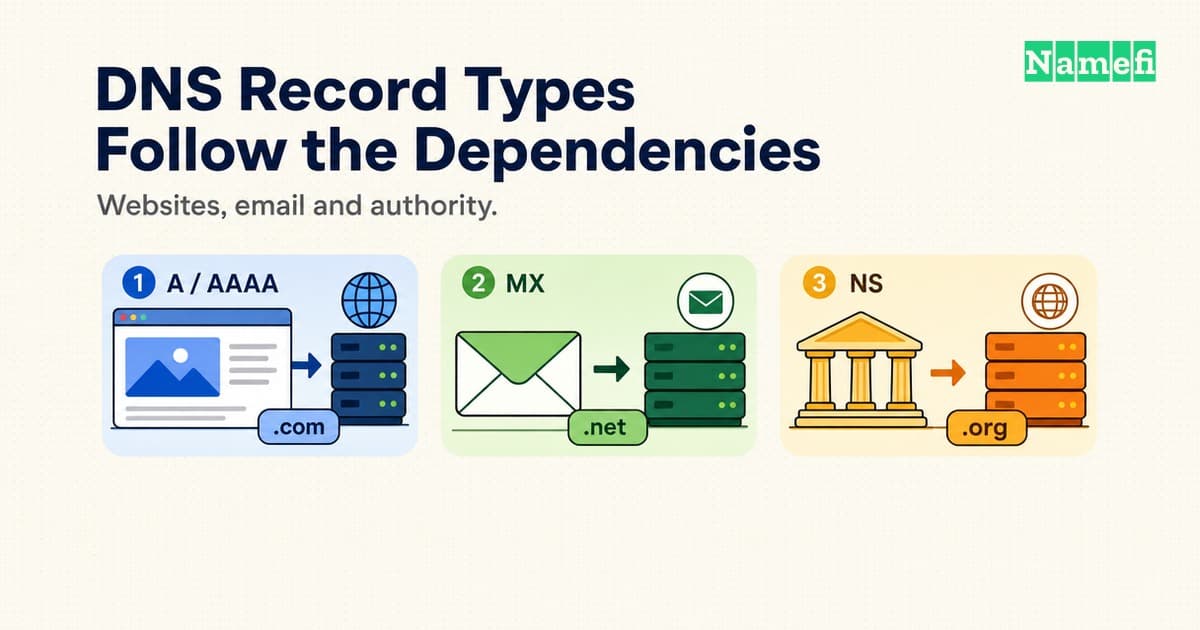
DNS Record Types Connect Websites, Email, and Zone Authority
Choose DNS records by their job, trace website and email dependencies, and verify changes without breaking unrelated services.
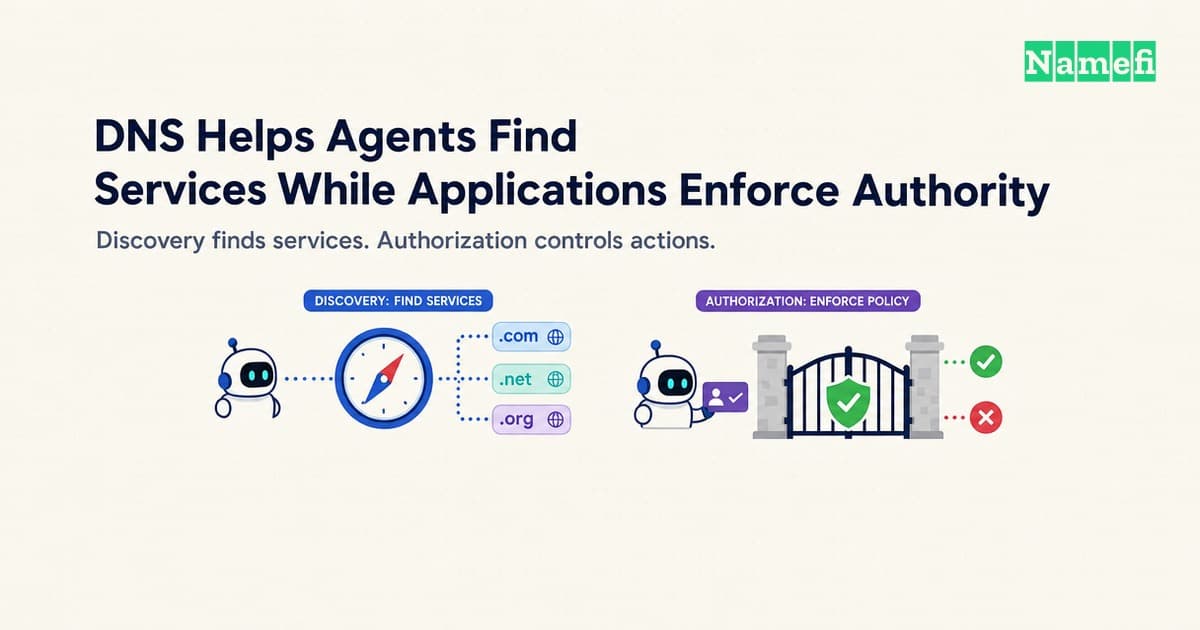
DNS Helps Agents Find Services While Applications Enforce Authority
Separate AI agent discovery, domain verification, authentication, and action permissions without inventing a universal TXT authorization standard.
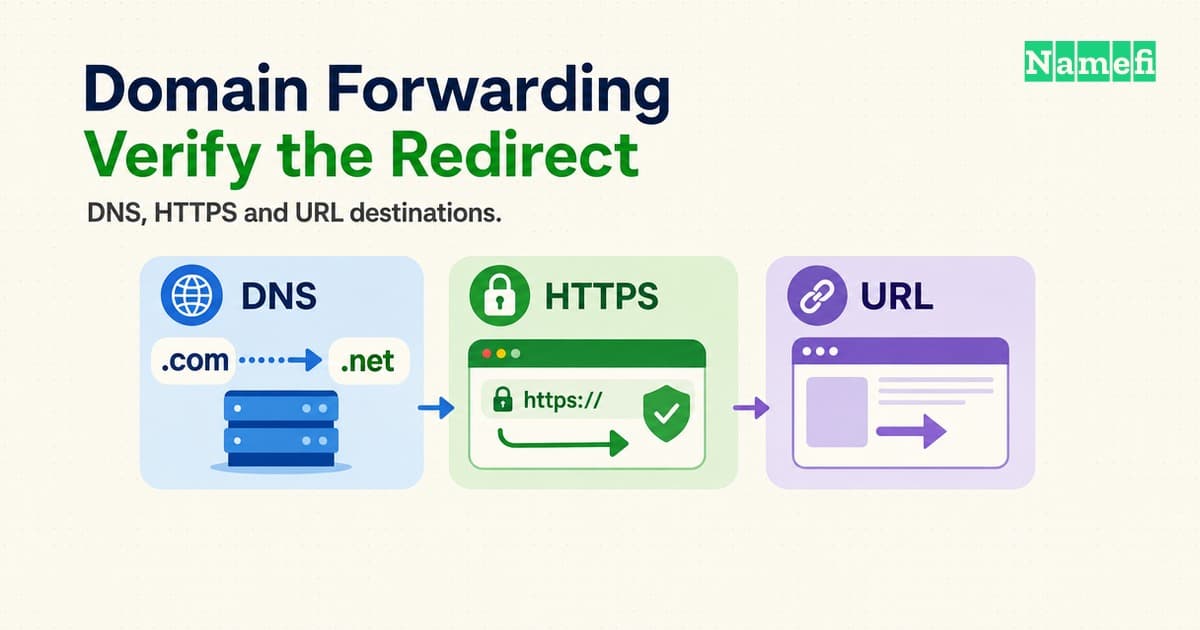
Domain Forwarding Uses HTTP Redirects After DNS Resolution
Choose 301, 302, 307, or 308 redirects, preserve the right URLs, and check HTTPS before forwarding a domain.
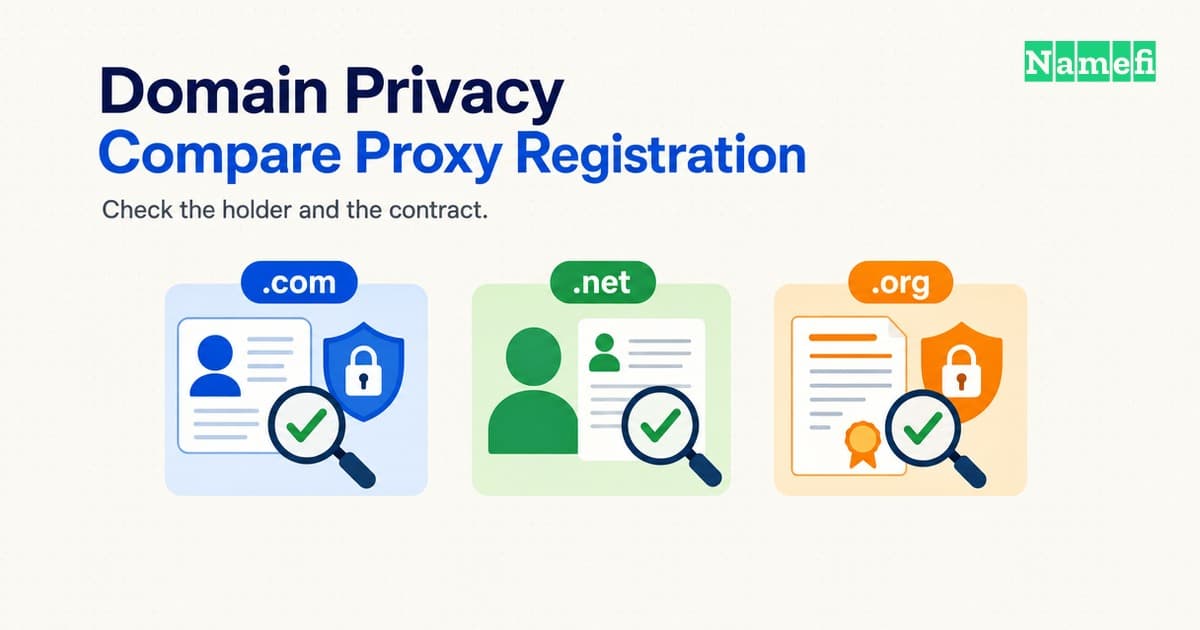
Domain Privacy Hides Contact Details While Proxy Services Change the Registrant
Compare domain privacy, proxy registration, and RDAP redaction, then check disclosure terms, contact forwarding, and account recovery.
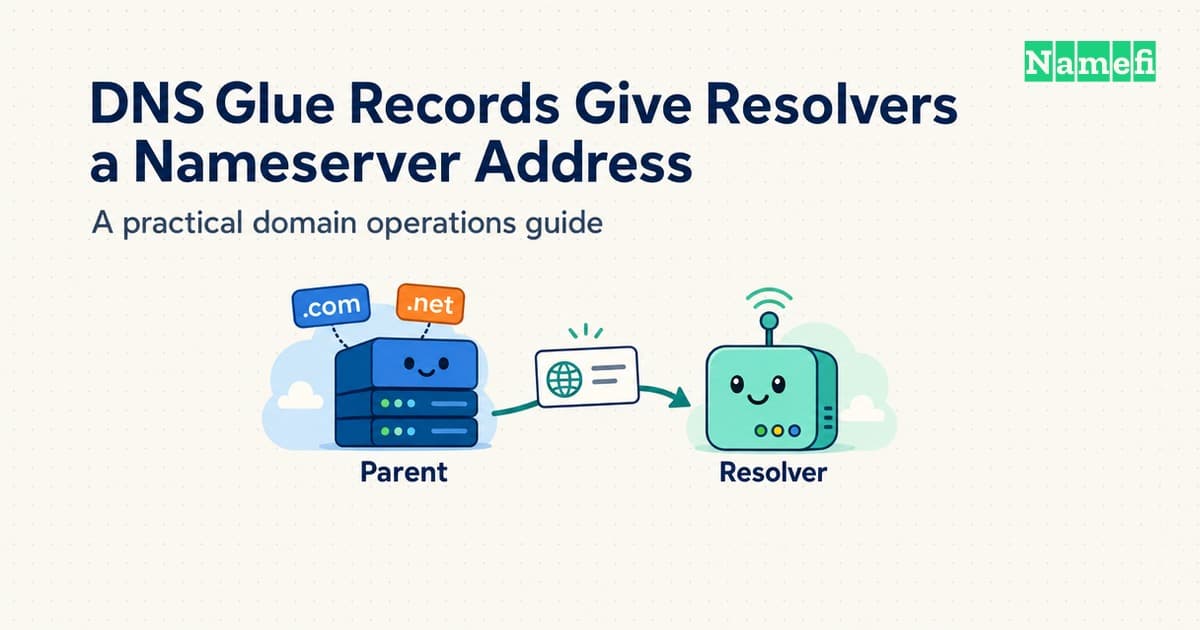
DNS Glue Records Give Resolvers a Nameserver Address
Understand parent-side DNS glue, compare in-domain and sibling nameservers, and verify safe glue changes with parent and child queries.
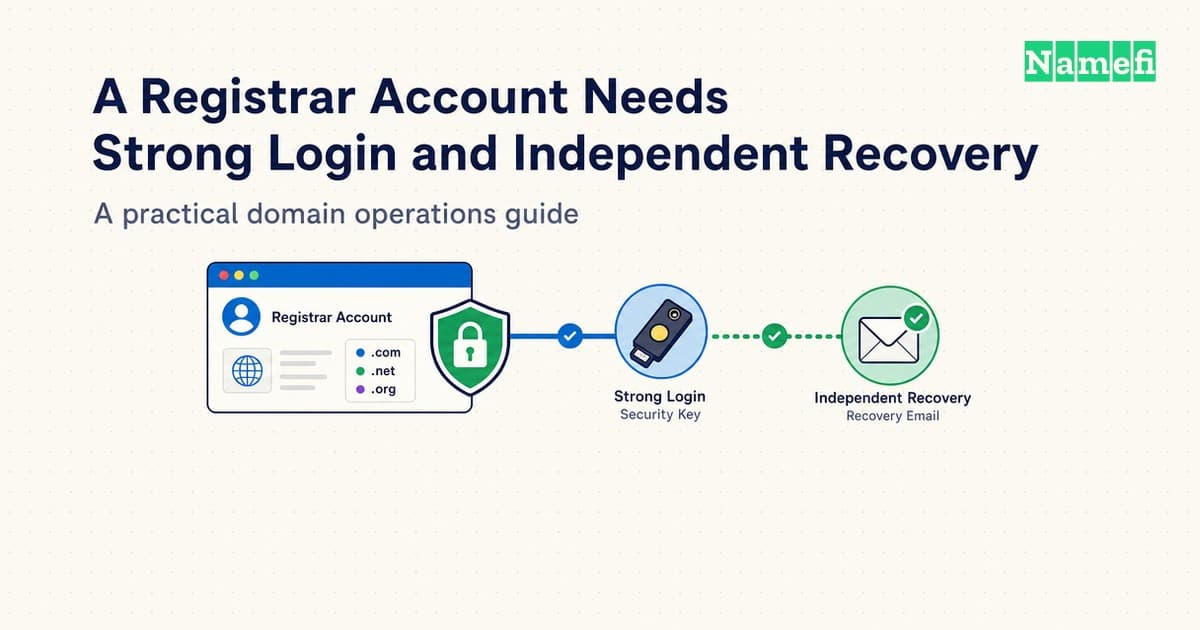
A Registrar Account Needs Strong Login and Independent Recovery
Harden a registrar account with phishing-resistant login, recovery planning, limited access, transfer controls, and reliable renewal checks.
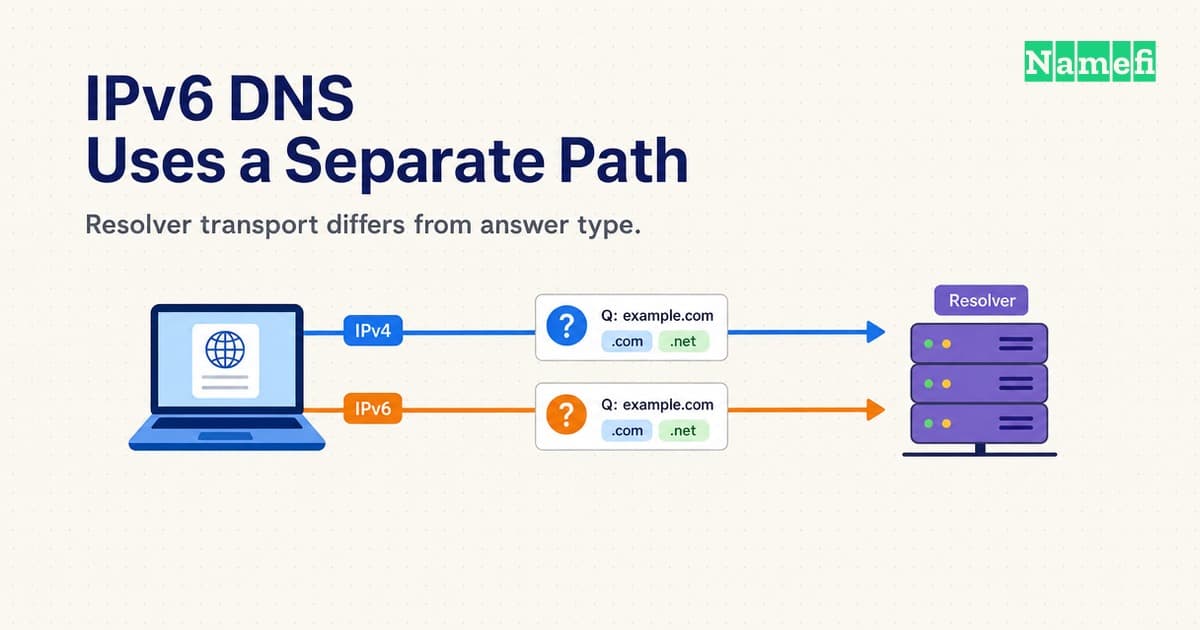
IPv6 DNS Uses a Separate Transport from the Address in the Answer
Find IPv6 DNS server addresses and test IPv4 and IPv6 resolver paths without confusing query transport, AAAA records, and website connections.
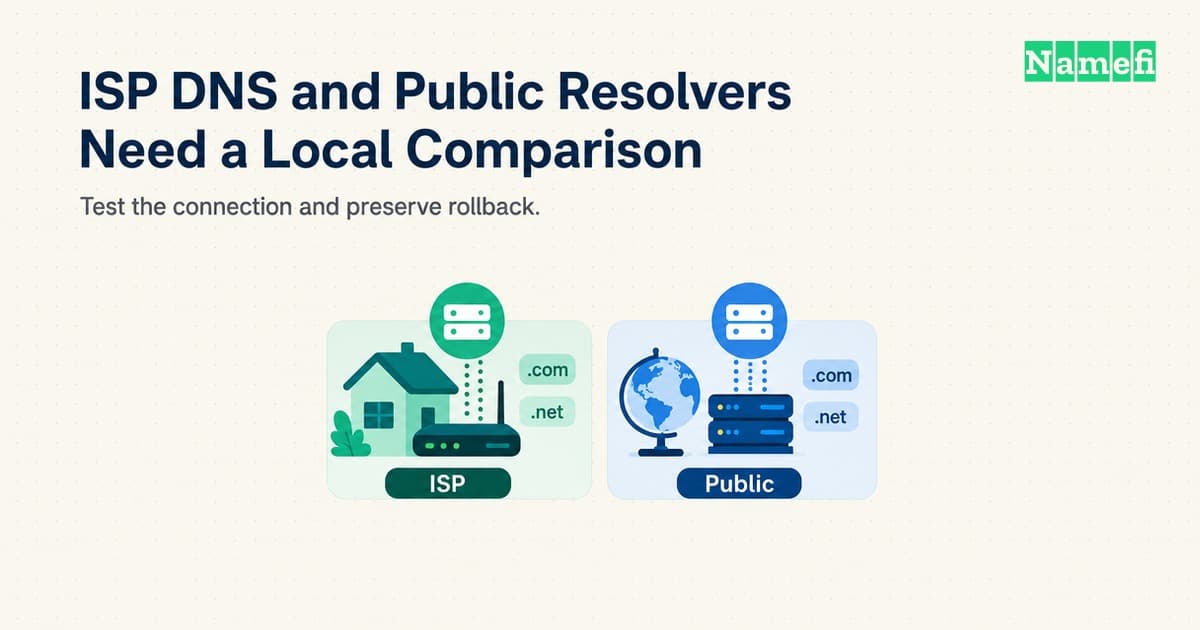
ISP DNS and Public Resolvers Need a Local Comparison
Compare ISP DNS with a public resolver through local tests, privacy policies, filtering requirements, and a reversible change on one device.
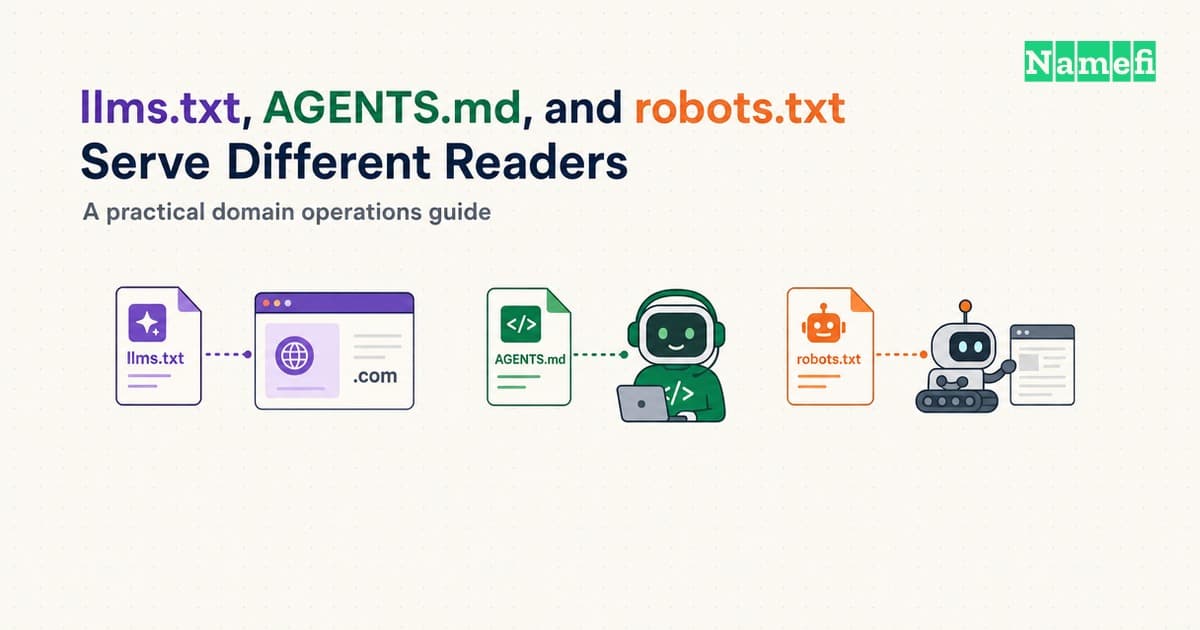
llms.txt, AGENTS.md, and robots.txt Serve Different Readers
Compare llms.txt, AGENTS.md, and robots.txt by purpose, scope, discovery, and enforcement, then test each file without confusing access controls.
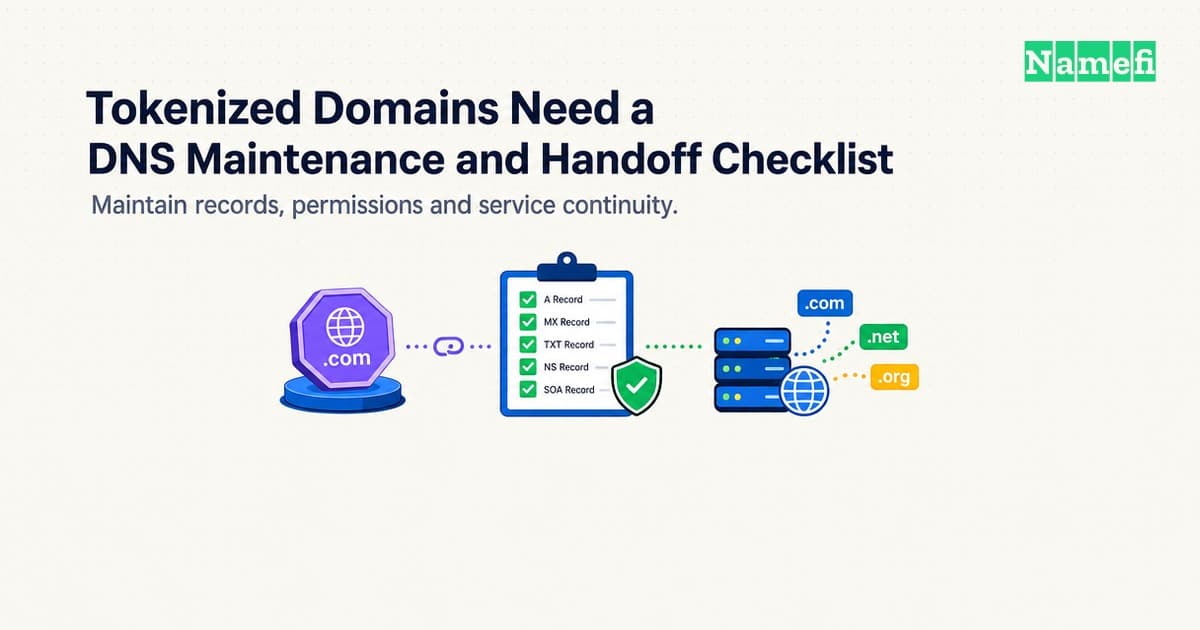
Tokenized Domains Need a DNS Maintenance and Handoff Checklist
Maintain active DNS records, access controls, ownership handoffs, monitoring, and recovery for a tokenized domain.
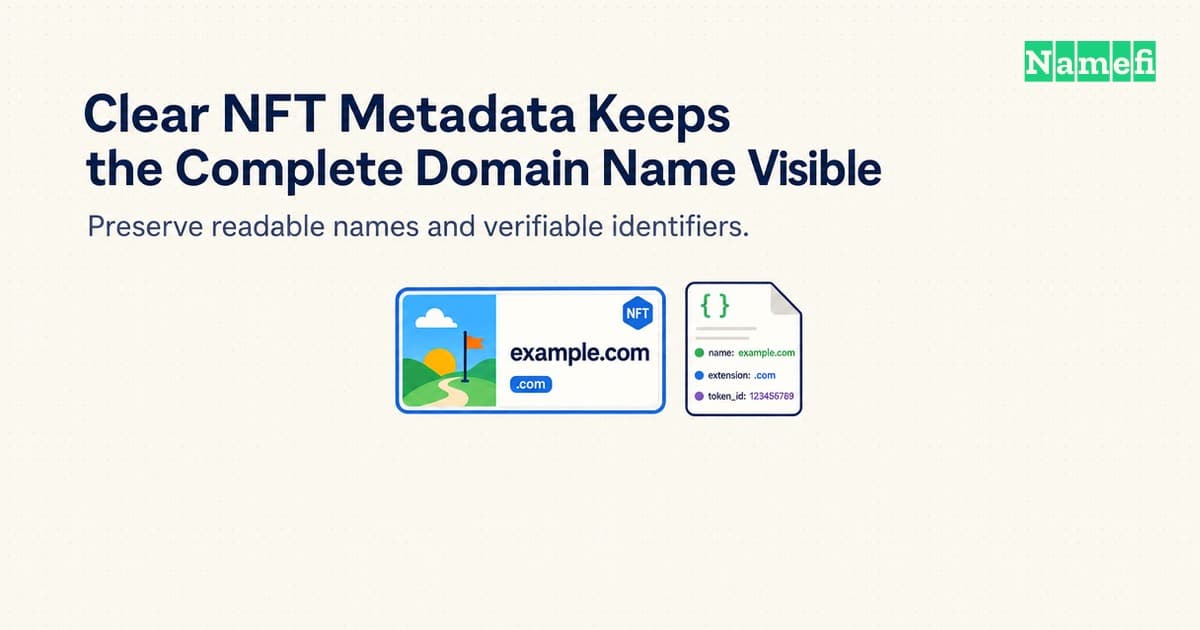
Clear NFT Metadata Keeps the Complete Domain Name Visible
Choose domain NFT display names, metadata fields, images, and update checks that preserve readable names and verifiable asset identity.
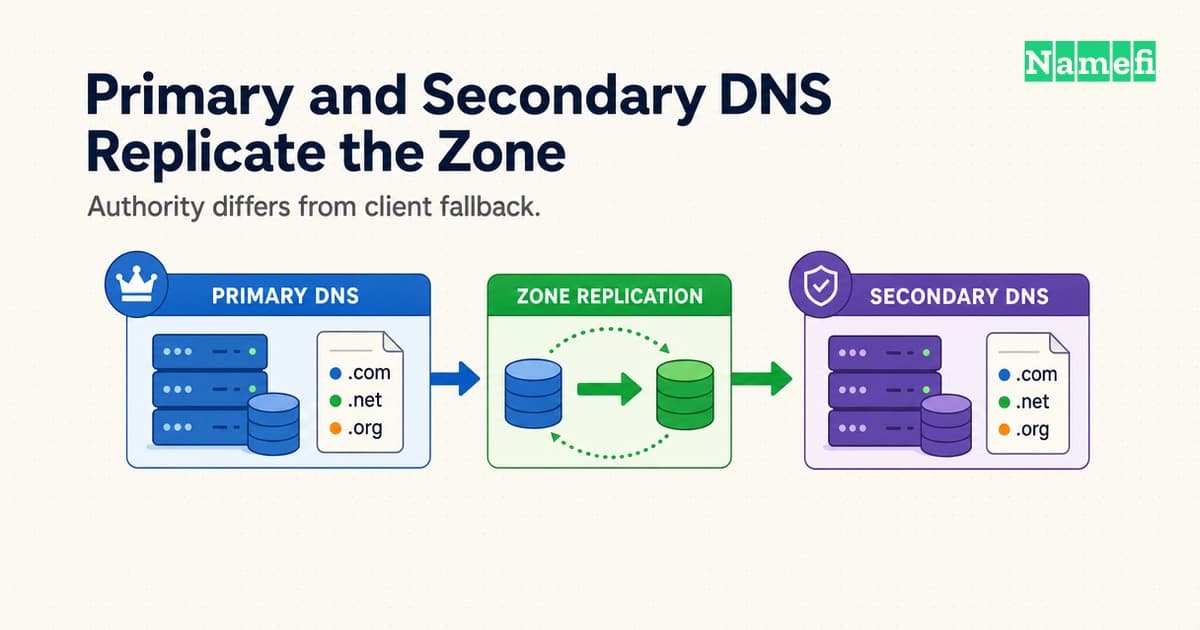
Primary and Secondary DNS Servers Share Authoritative Zone Data
Learn how primary and secondary DNS servers replicate zones, handle failures, and differ from preferred and alternate resolvers.
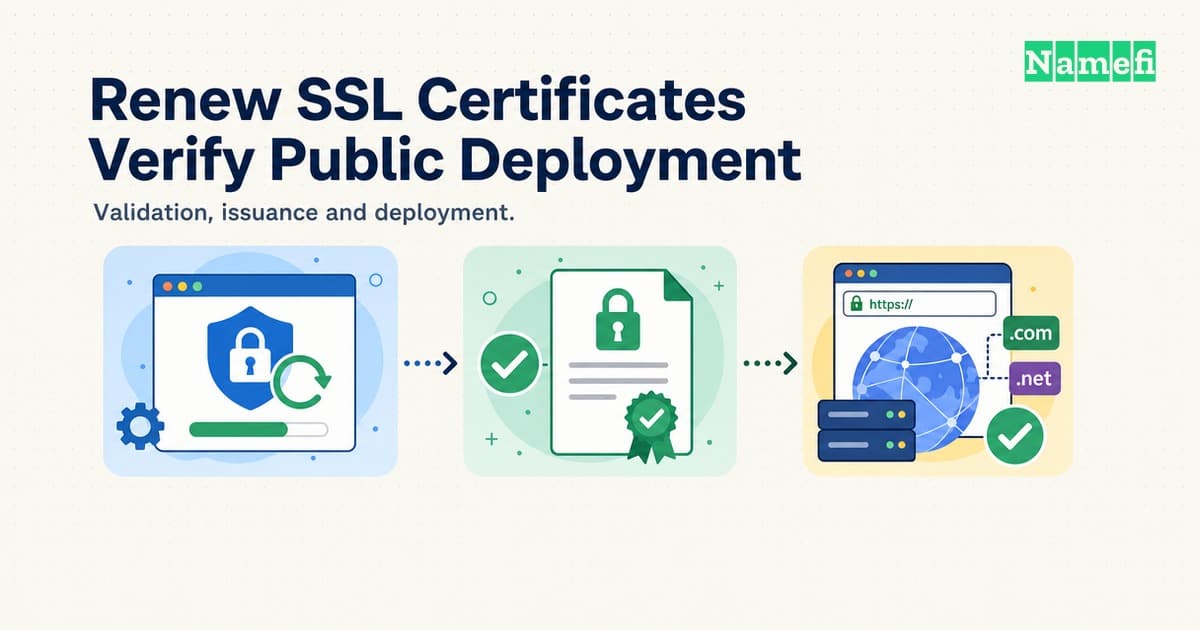
SSL Certificate Renewal Requires Validation and Deployment Checks
Renew a TLS certificate, preserve domain validation, automate deployment, and check the certificate that visitors actually receive.
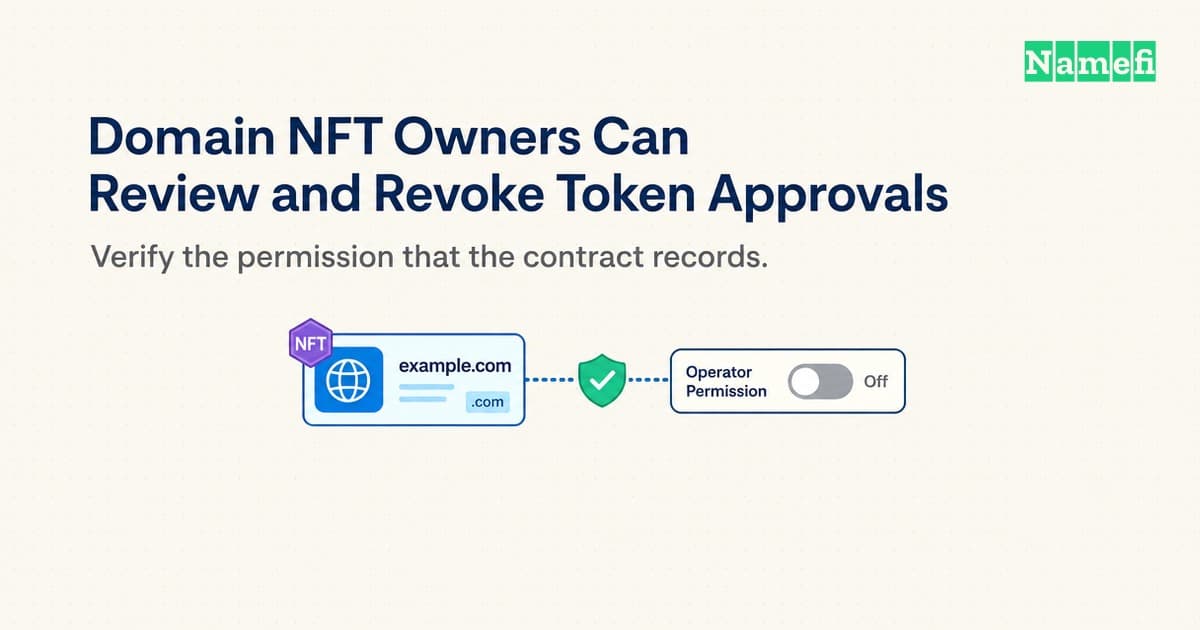
Domain NFT Owners Can Review and Revoke Token Approvals
Inspect domain NFT token and operator approvals, revoke the intended permission, verify contract state, and distinguish cleanup from incident recovery.
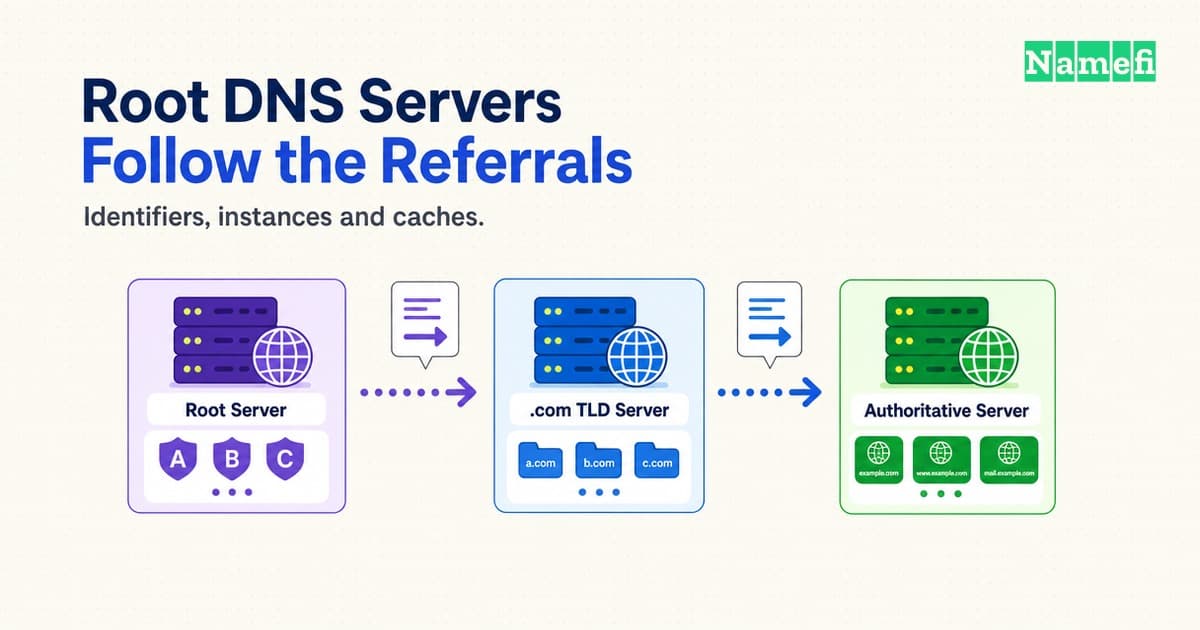
Root DNS servers direct resolvers toward top-level domains
Learn how root DNS servers provide referrals, why 13 names represent many instances, and how caching and DNSSEC change the lookup path.
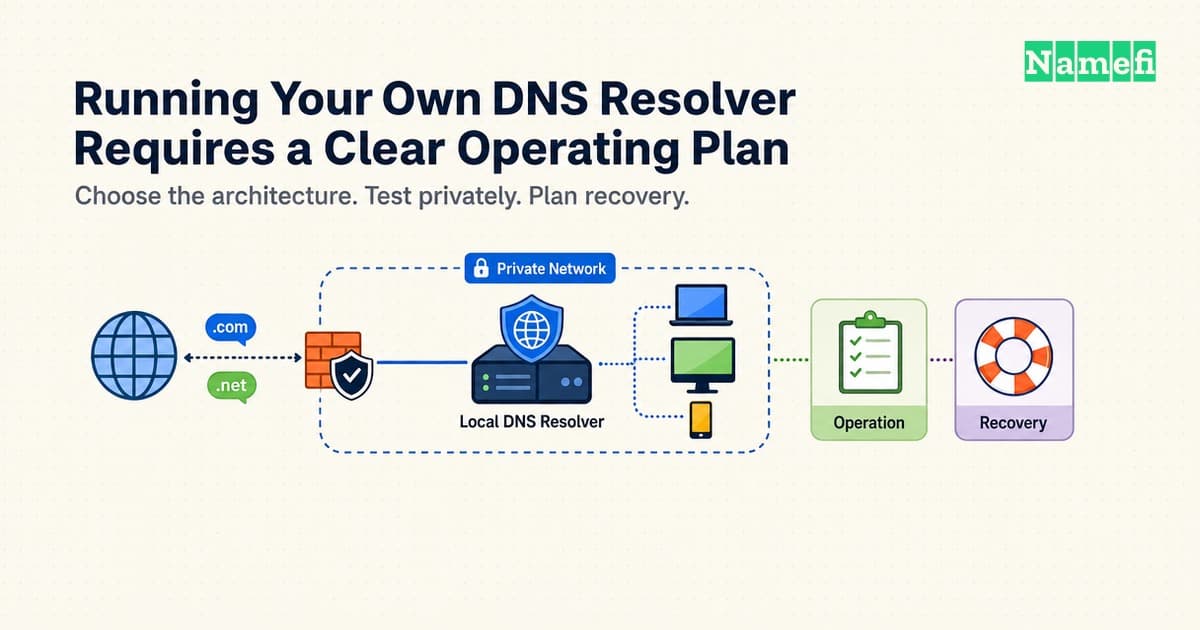
Running Your Own DNS Resolver Requires a Clear Operating Plan
Plan a private DNS resolver with Unbound, distinguish recursion from forwarding and dynamic DNS, and test access controls before a network rollout.
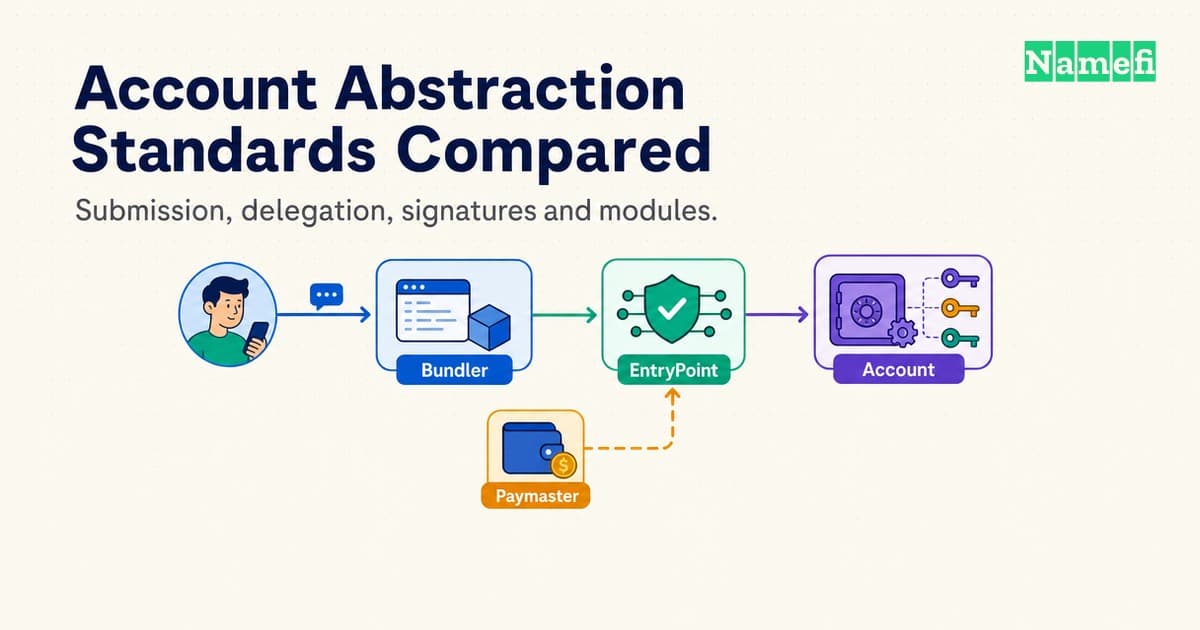
Top Account-Abstraction Standards: ERC-4337, EIP-7702, ERC-1271 and ERC-7579
Compare four account-abstraction standards by transaction flow, delegation, signature policy, module privileges, and integration risks.
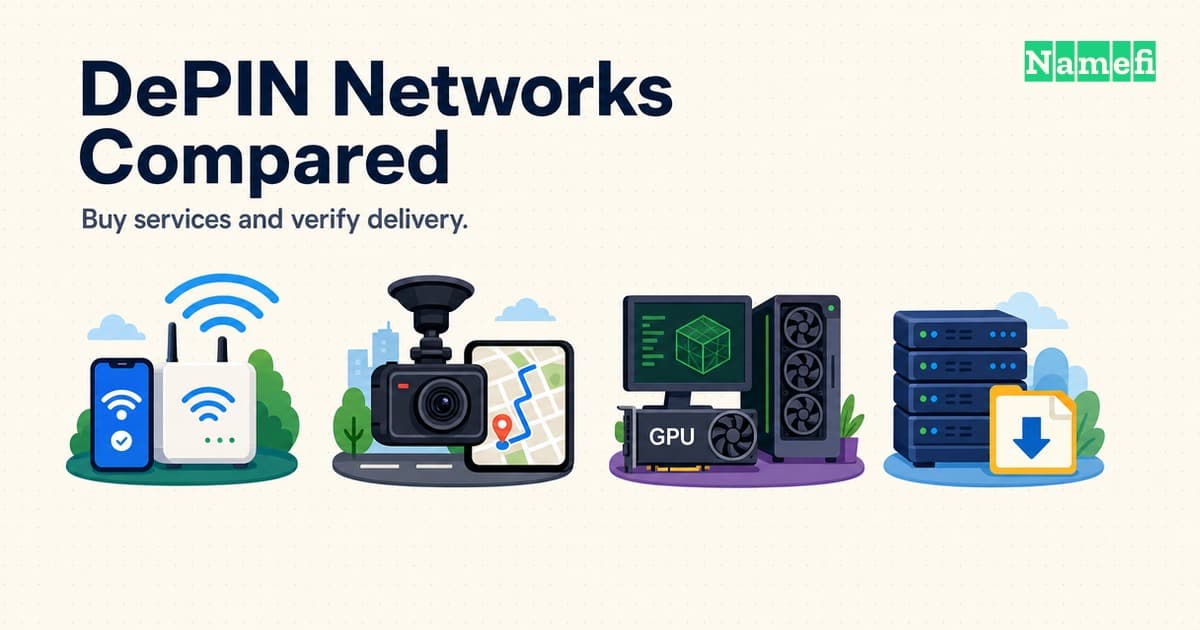
Top DePIN Networks Deliver Different Services: Helium, Hivemapper, Render and Filecoin
Compare Helium, Hivemapper, Render and Filecoin by service delivery, work verification, customer payments, provider rewards and buyer acceptance tests.
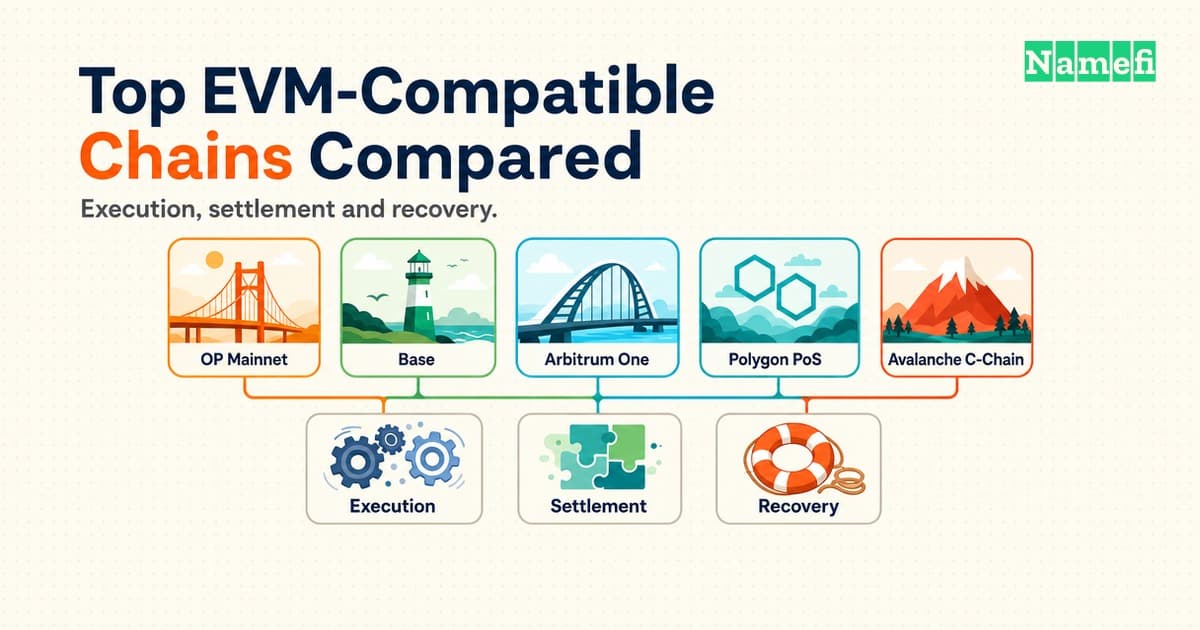
Top EVM-Compatible Chains: OP Mainnet, Base, Arbitrum One, Polygon PoS and Avalanche C-Chain
Compare OP Mainnet, Base, Arbitrum One, Polygon PoS, and Avalanche C-Chain by portability, proofs, validator trust, and recovery requirements.
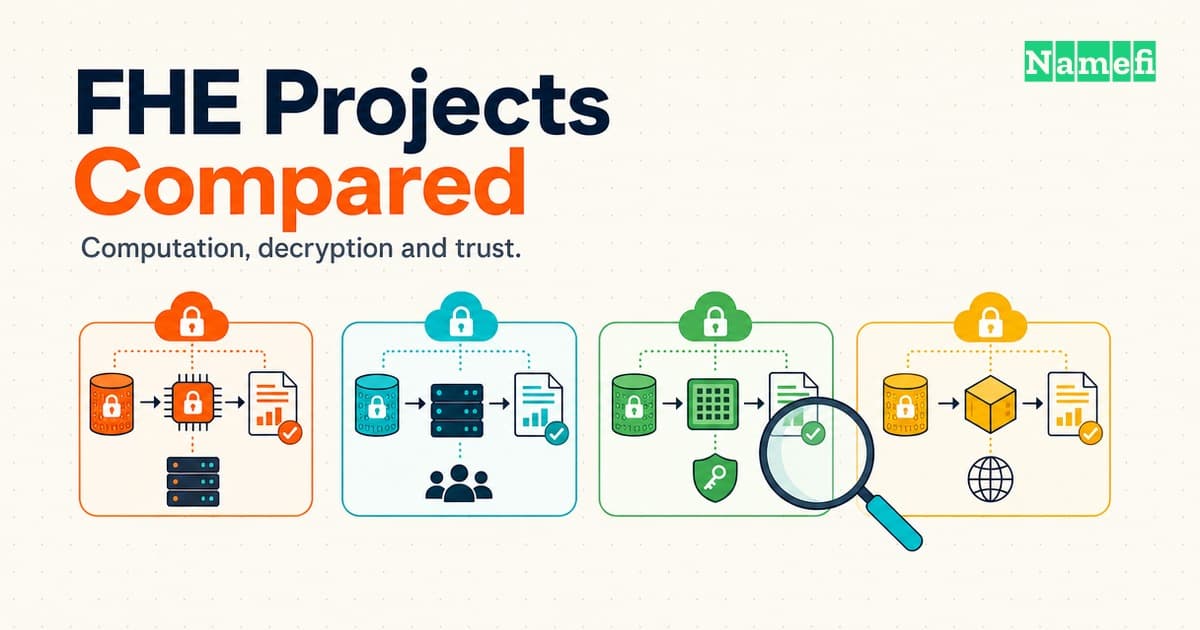
Top FHE Projects: Zama, Fhenix, Inco, and Sunscreen Compared
Compare Zama, Fhenix, Inco, and Sunscreen by encrypted execution, integration, decryption trust, and documented deployment status.
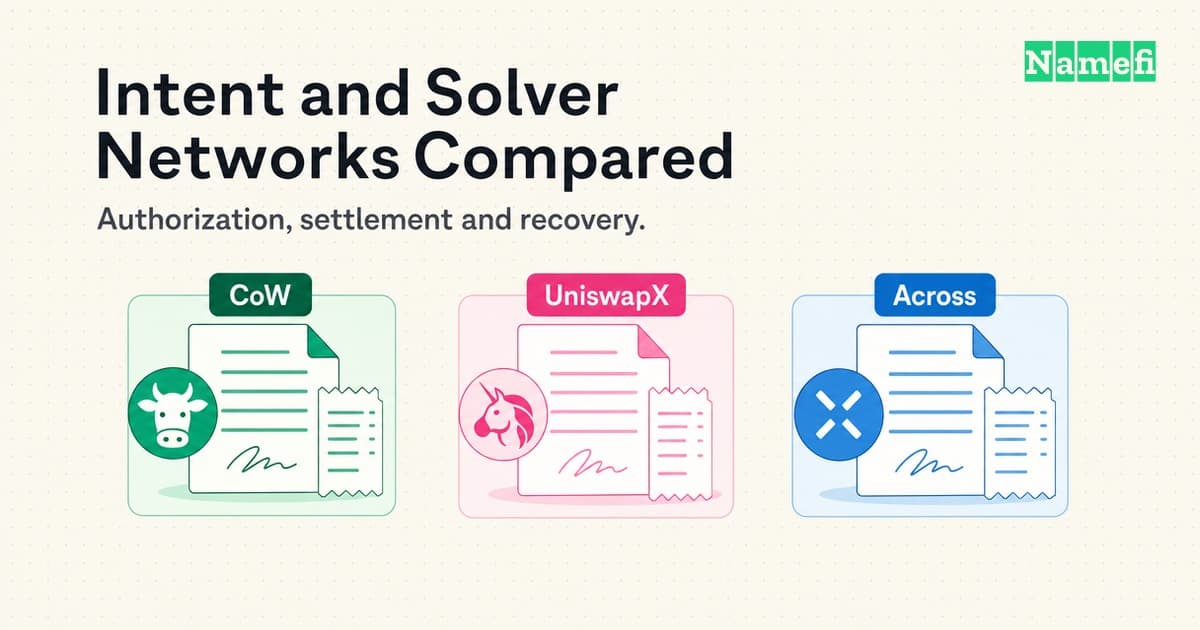
Top Intent and Solver Networks Use Different Settlement Rules
Compare CoW Protocol, UniswapX and Across through signed orders, solver competition, settlement checks and practical recovery steps.
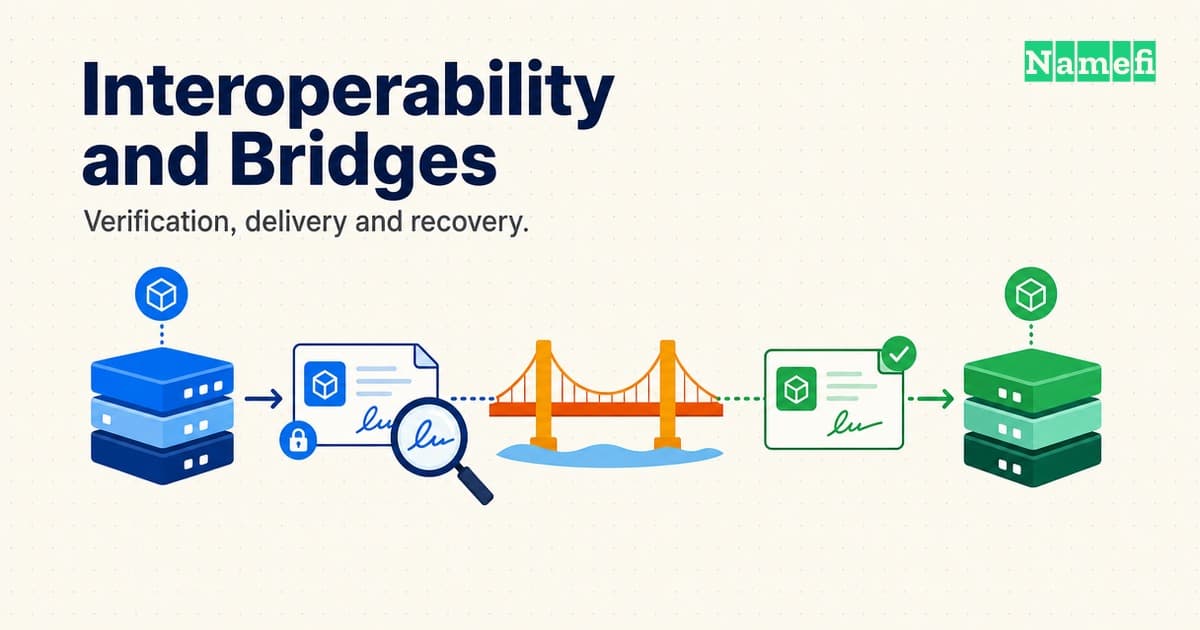
Top Interoperability Protocols Connect Chains Through Different Verification Models
Compare IBC, Chainlink CCIP, LayerZero and Wormhole by verification, token handling, configuration risk and recovery after failed delivery.
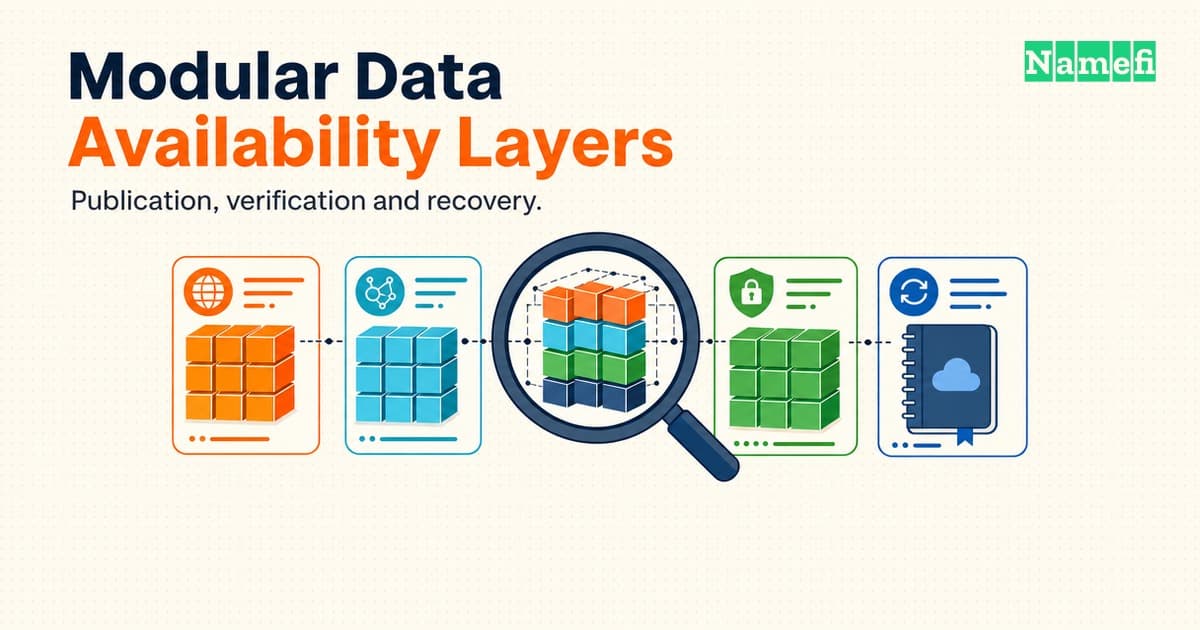
Top Modular Data Availability Layers: Celestia, EigenDA, Avail and NEAR DA
Compare Celestia, EigenDA, Avail and NEAR DA by verification path, operating assumptions, pricing structure and recovery requirements.
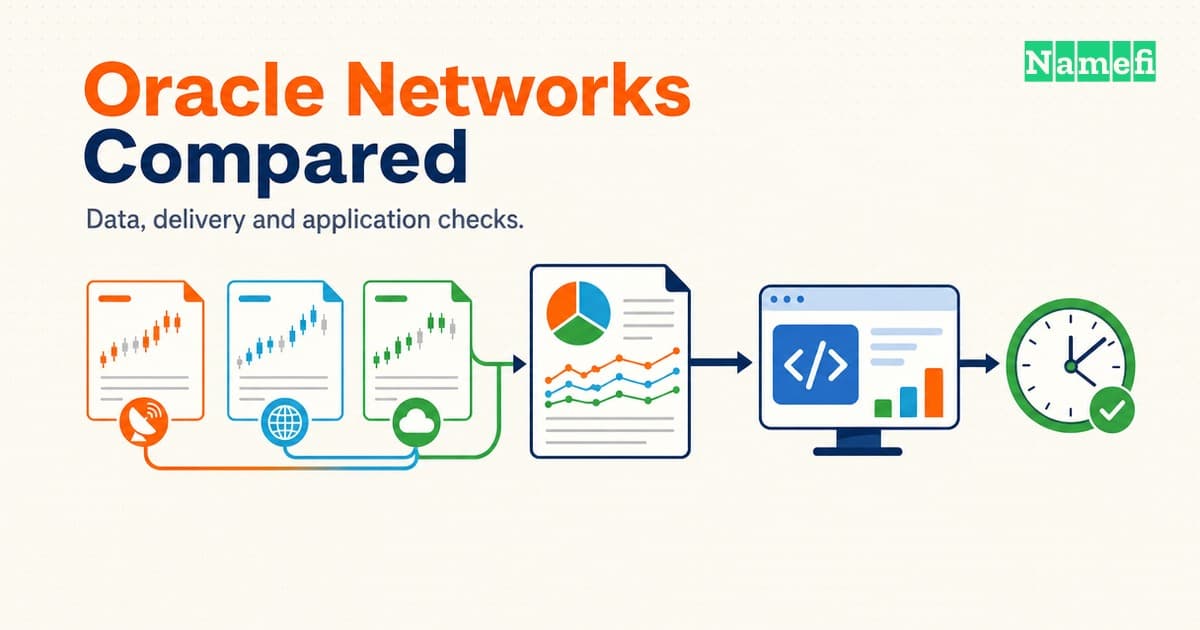
Top Oracle Networks Solve Different Data Problems: Chainlink, Pyth, RedStone and UMA
Compare Chainlink, Pyth, RedStone and UMA by data origin, delivery, freshness, confidence, disputes and application trust assumptions.
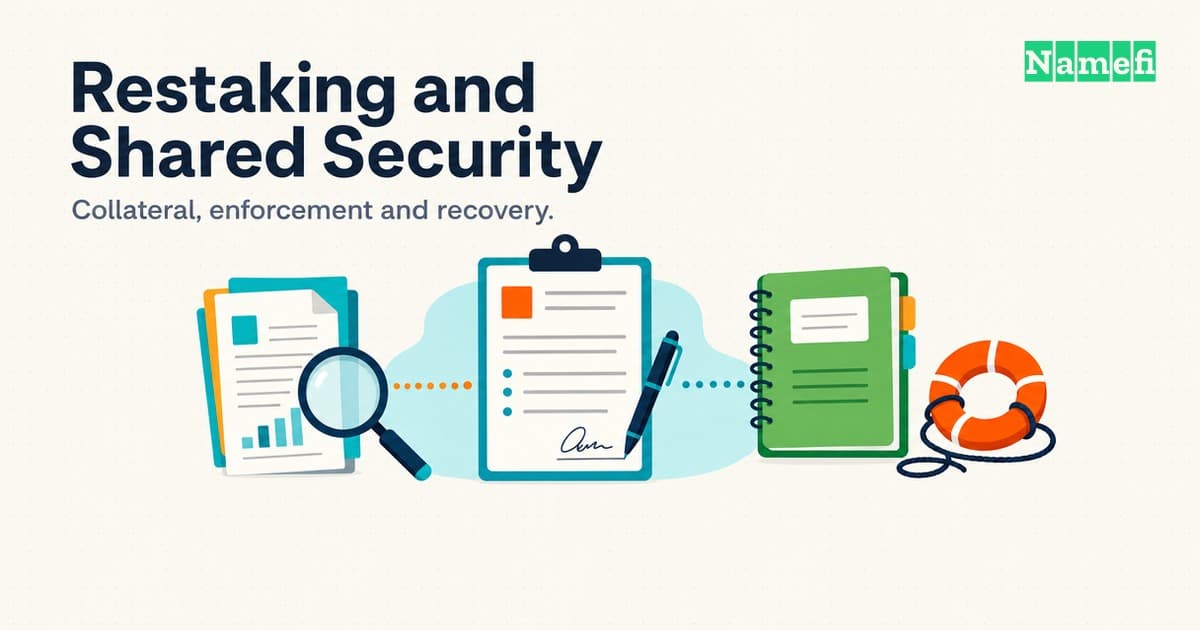
Top Restaking and Shared-Security Approaches Define Different Guarantees
Compare EigenLayer, Symbiotic, and legacy Karak designs through collateral, allocation, slashing authority, withdrawal timing, and recovery.
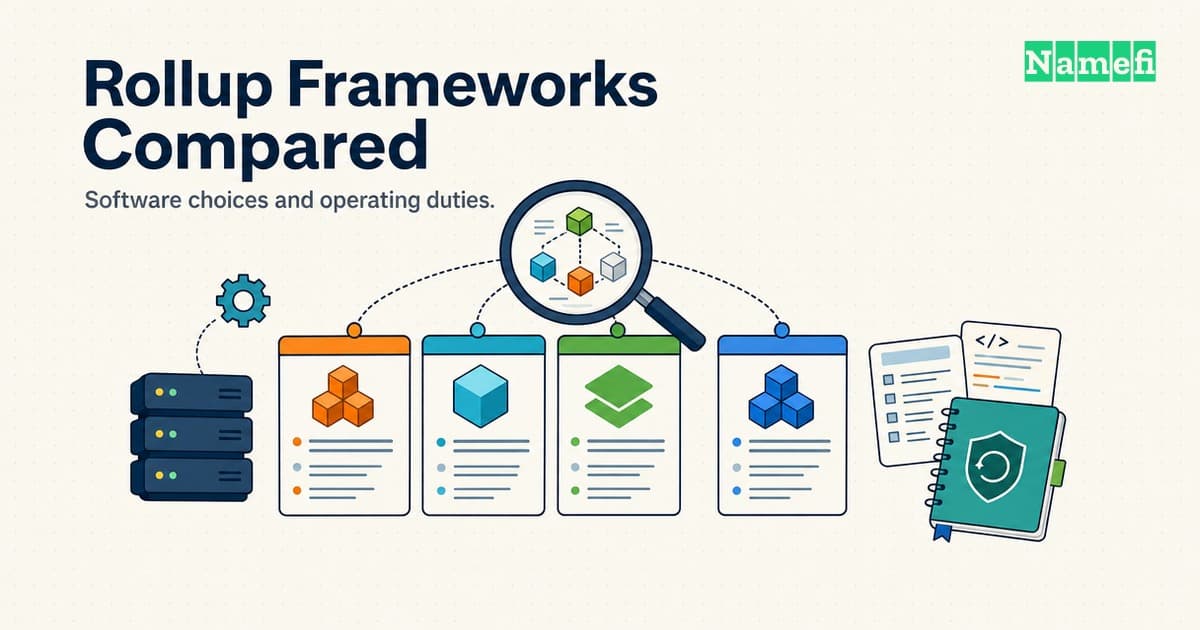
Top Rollup Frameworks: Compare OP Stack, Arbitrum Orbit, ZK Stack and Polygon CDK
Compare OP Stack, Arbitrum Orbit, ZK Stack, and Polygon CDK by deployment choices, data availability, proof systems, and operations.
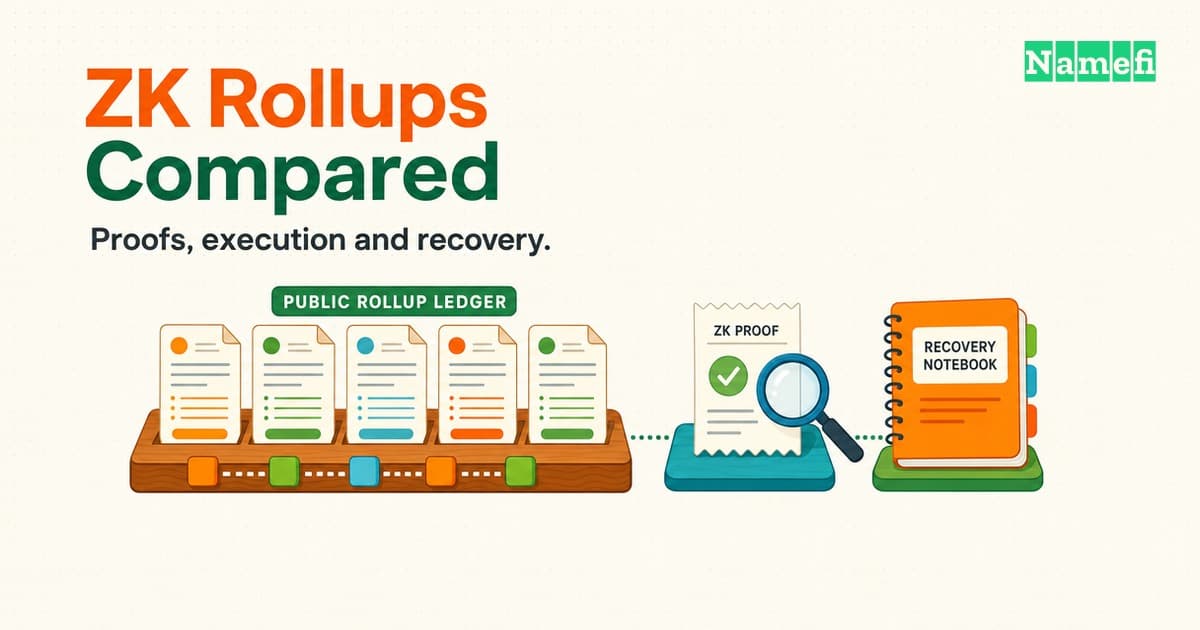
Top ZK Rollups Require Different Development and Recovery Choices
Compare ZKsync, Starknet, Scroll, and Linea by compatibility and recovery, and understand Polygon zkEVM's completed sunset.
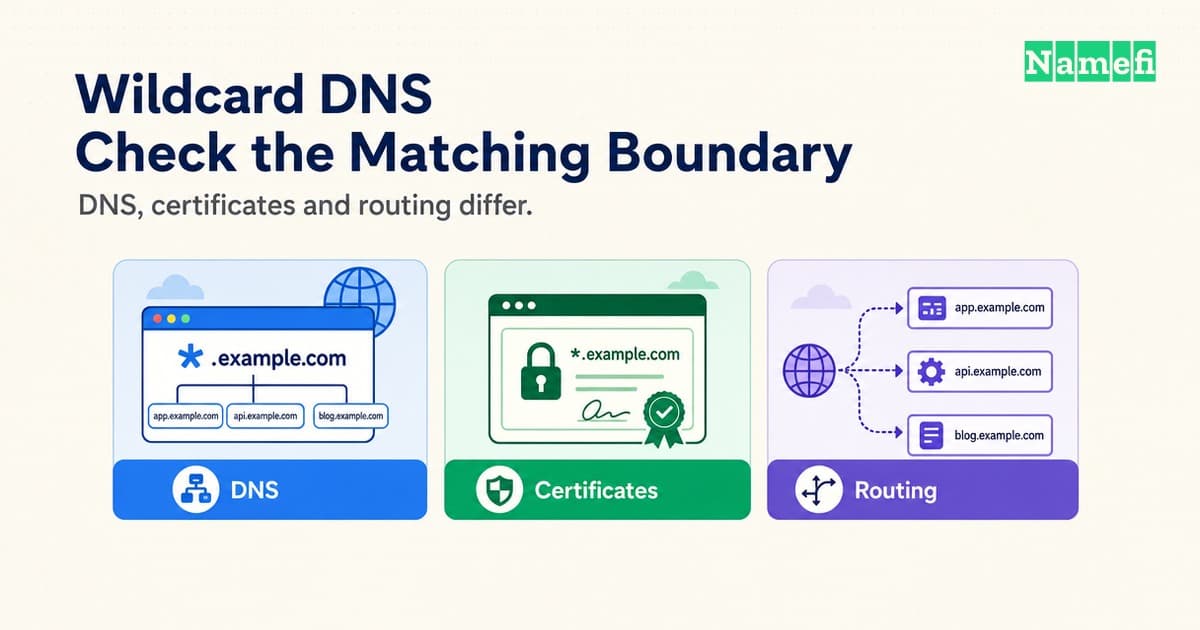
Wildcard DNS records answer missing names within a DNS tree
Learn what wildcard DNS matches, how existing names stop matches, and why DNS, TLS certificates, and website routing need separate checks.
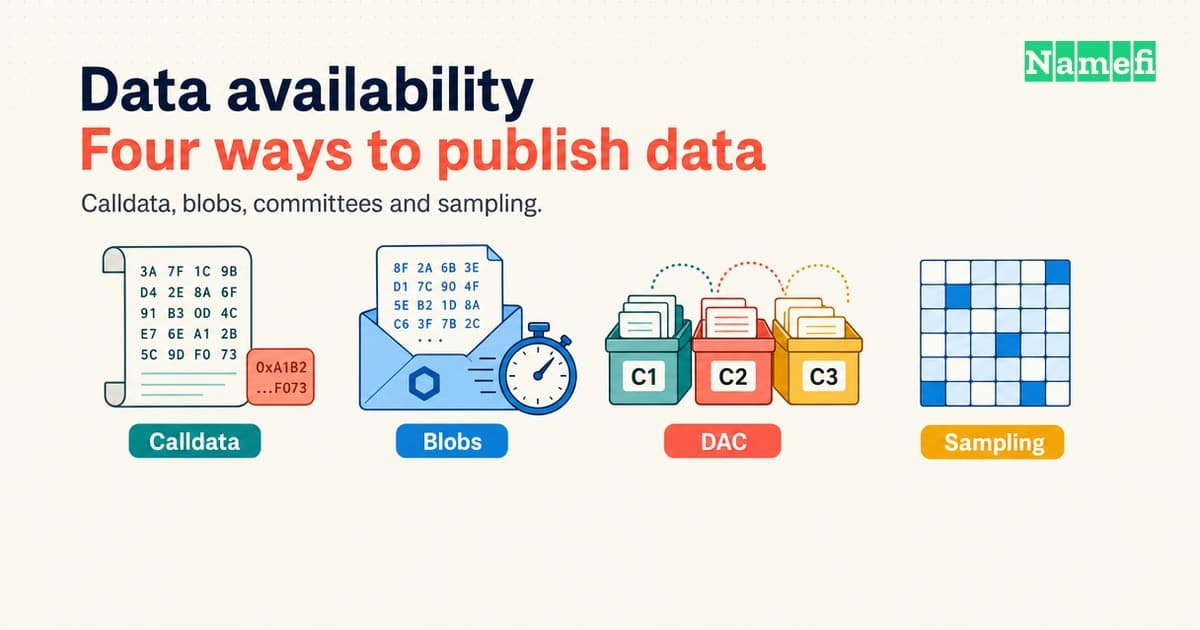
Top Blockchain Data-Availability Approaches: Calldata, Blobs, Committees and Sampling
Compare Ethereum calldata and blobs, data-availability committees, and sampling-based networks by recovery guarantee, cost, and trust assumptions.
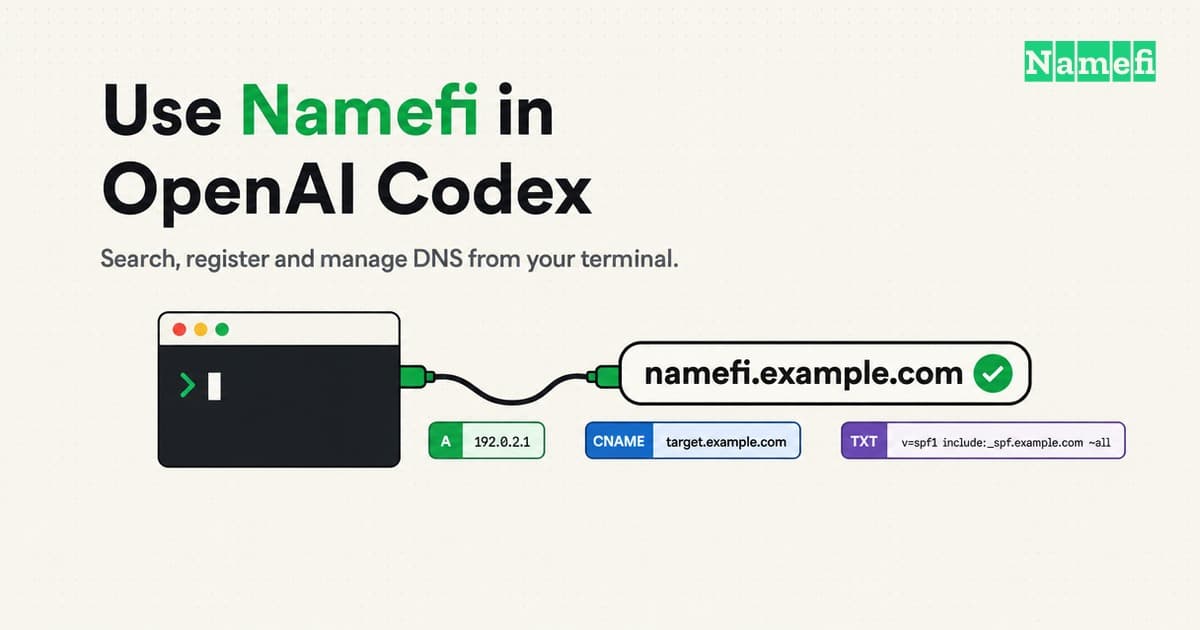
How to Use Namefi in OpenAI Codex: Search, Register and Manage DNS
Connect OpenAI Codex (CLI, IDE extension, desktop app) to Namefi over MCP, then search, register and manage DNS for a domain. Exact config and fixes.
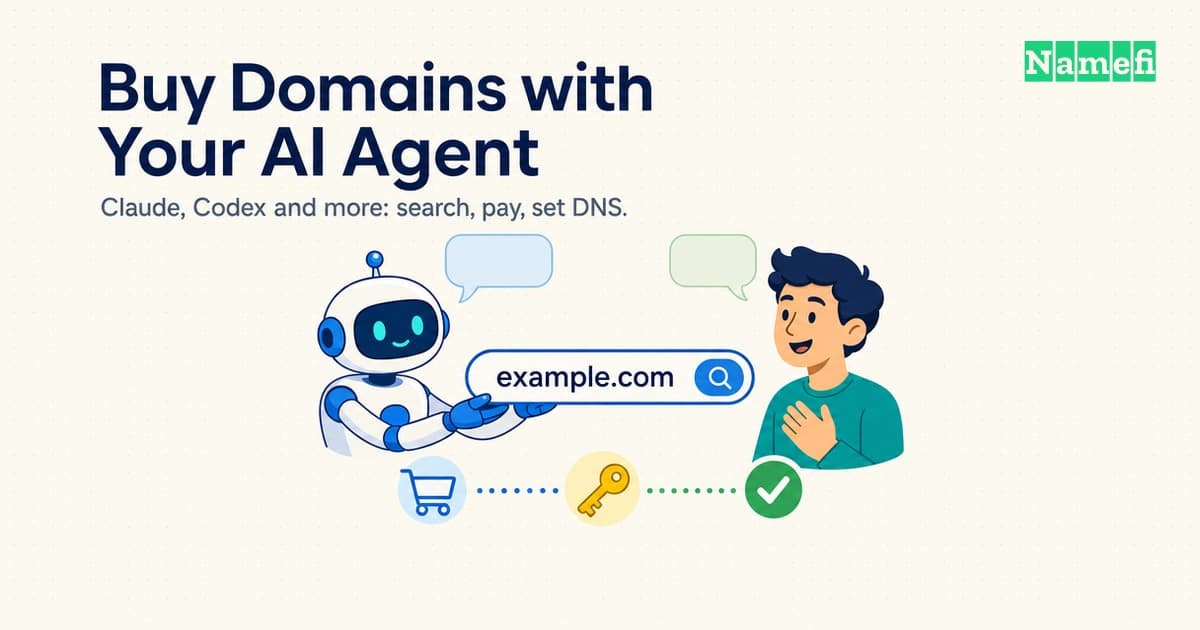
How to Buy Domains with Your AI Agent (Claude, Codex and More)
Which way to connect an AI agent to a domain registrar (MCP, REST, CLI or WebMCP), how to pay, what to approve yourself, and where to go for Claude, Codex, Cursor and more.
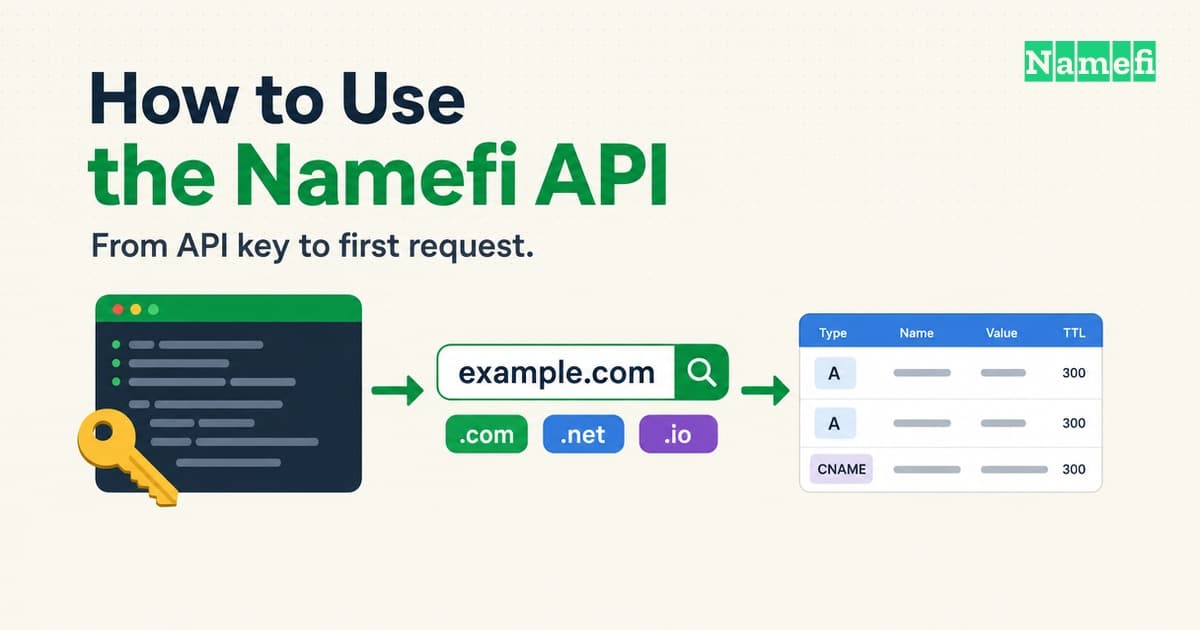
How to Use the Namefi API: Keys, Requests, DNS and Payment
Get a Namefi API key, authenticate with x-api-key, search availability, register a domain, manage DNS records, and handle errors and payment.
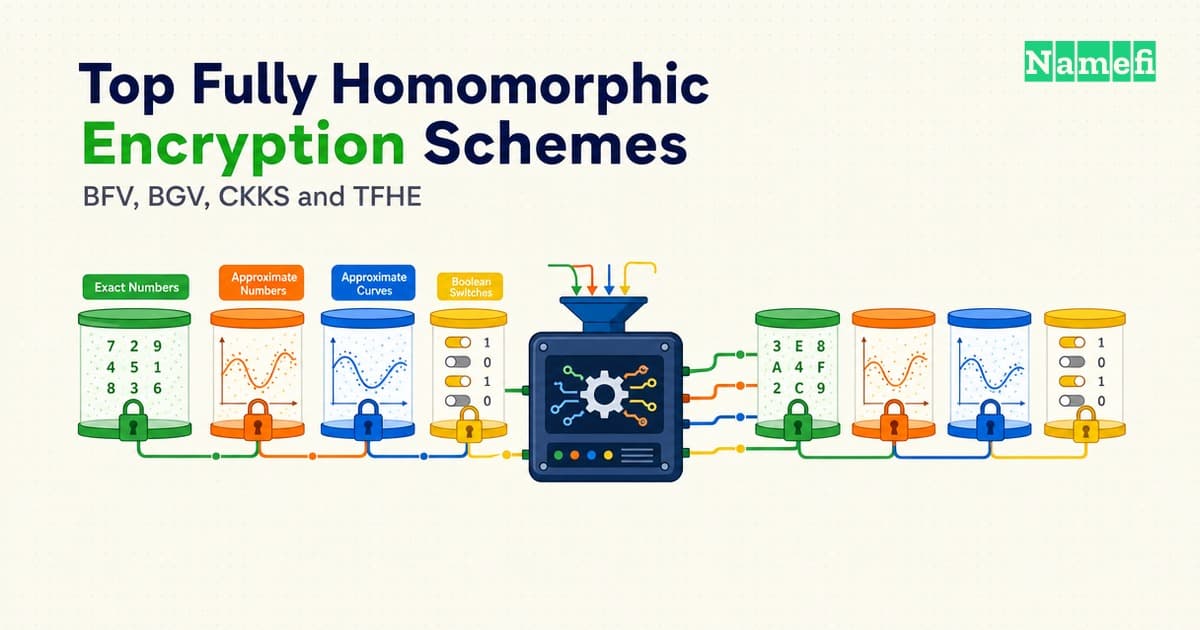
Top Fully Homomorphic Encryption Schemes: BFV, BGV, CKKS and TFHE
A practical comparison of BFV, BGV, CKKS, and TFHE by data type, bootstrapping cost, workload fit, maturity, and available libraries.
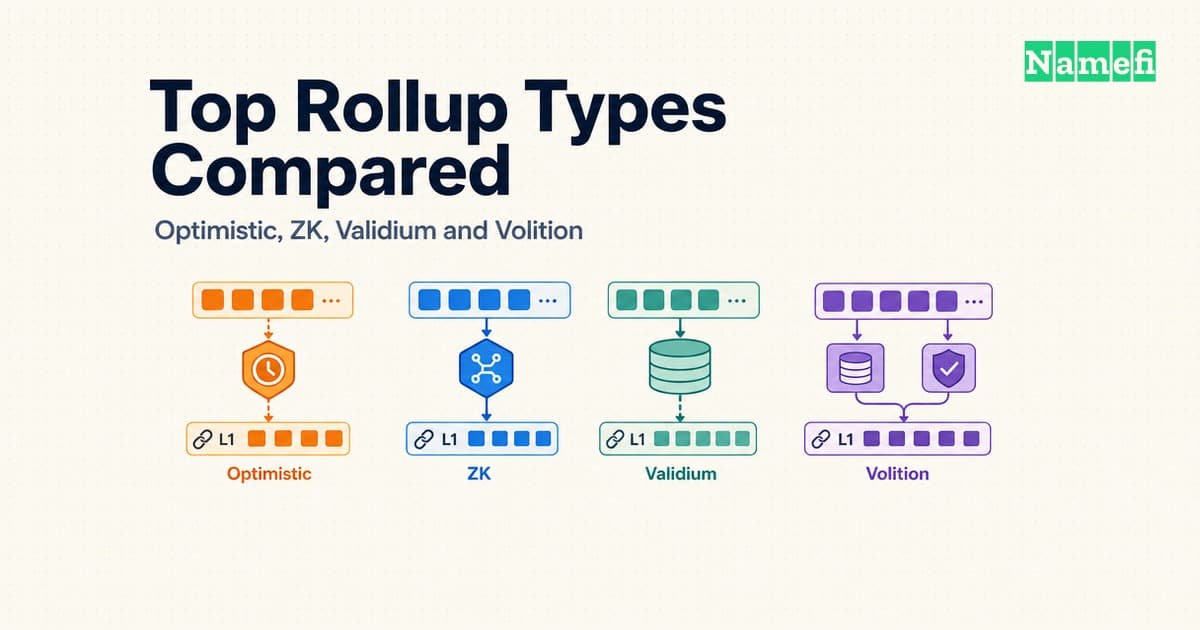
Top Rollup Types: Optimistic, ZK, Validium and Volition Compared
Compare optimistic rollups, ZK rollups, validiums, and volitions by data availability, security inheritance, withdrawal delay, cost, and networks.
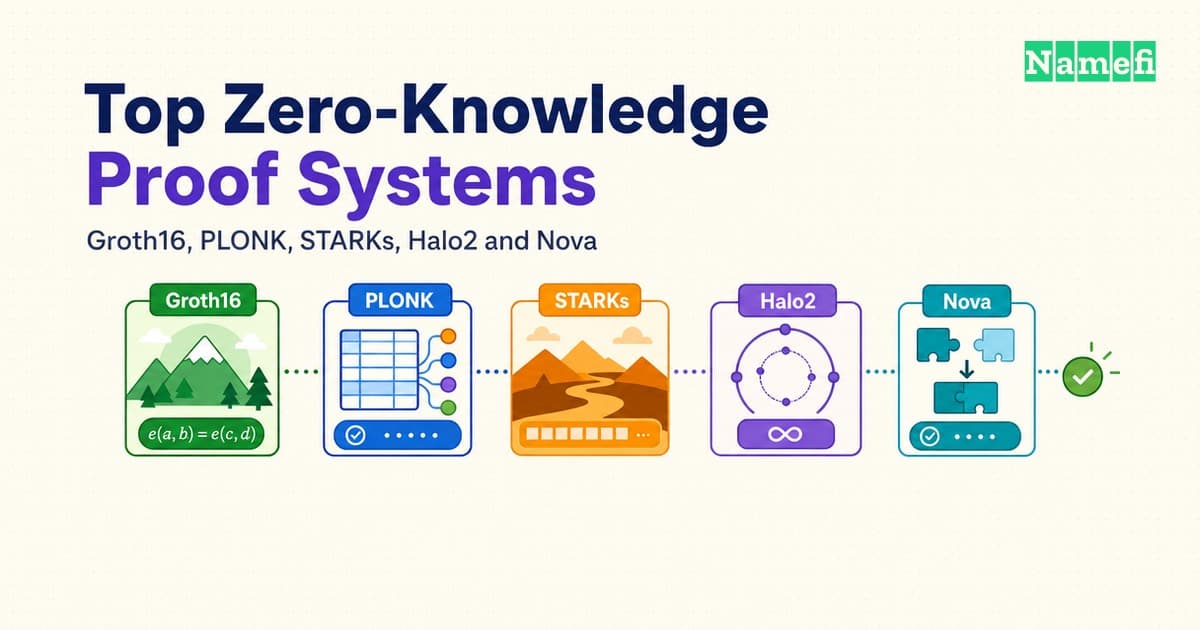
Top Zero-Knowledge Proof Systems: Groth16, PLONK, STARKs, Halo2 and Nova
A practical comparison of Groth16, PLONK, STARKs, Halo2, and Nova across proof size, proving speed, setup, verification, and EVM fit.
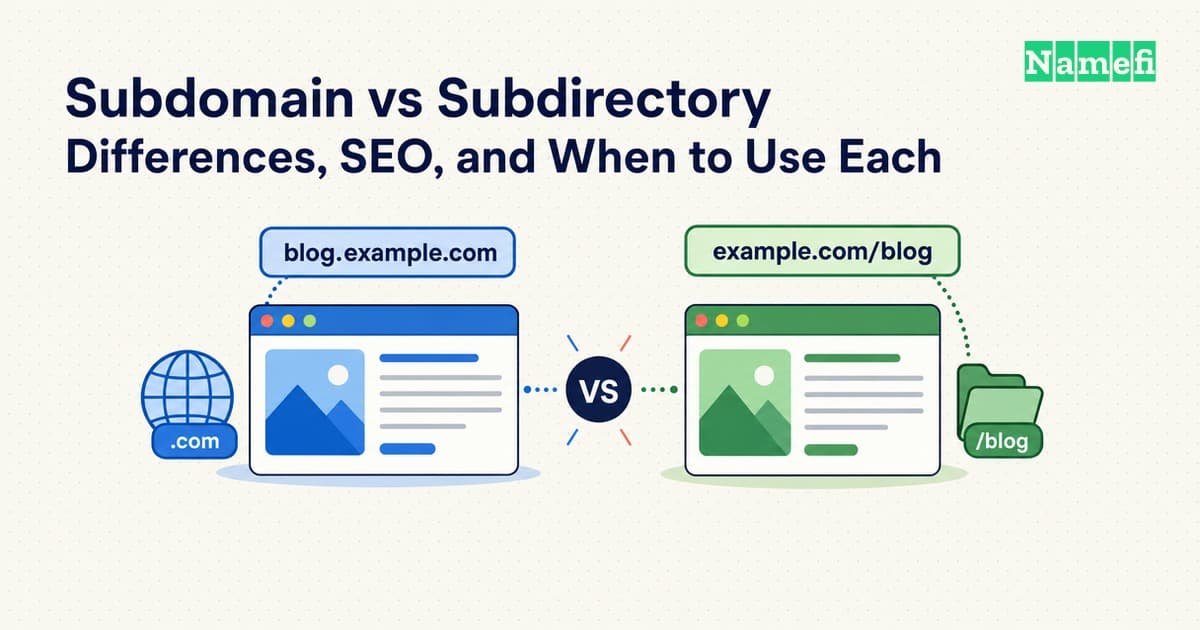
Subdomain vs Subdirectory: Differences, SEO, and When to Use Each
Compare subdomains and subdirectories for content, apps, and international sites, with practical management tradeoffs and Google's stated SEO guidance.
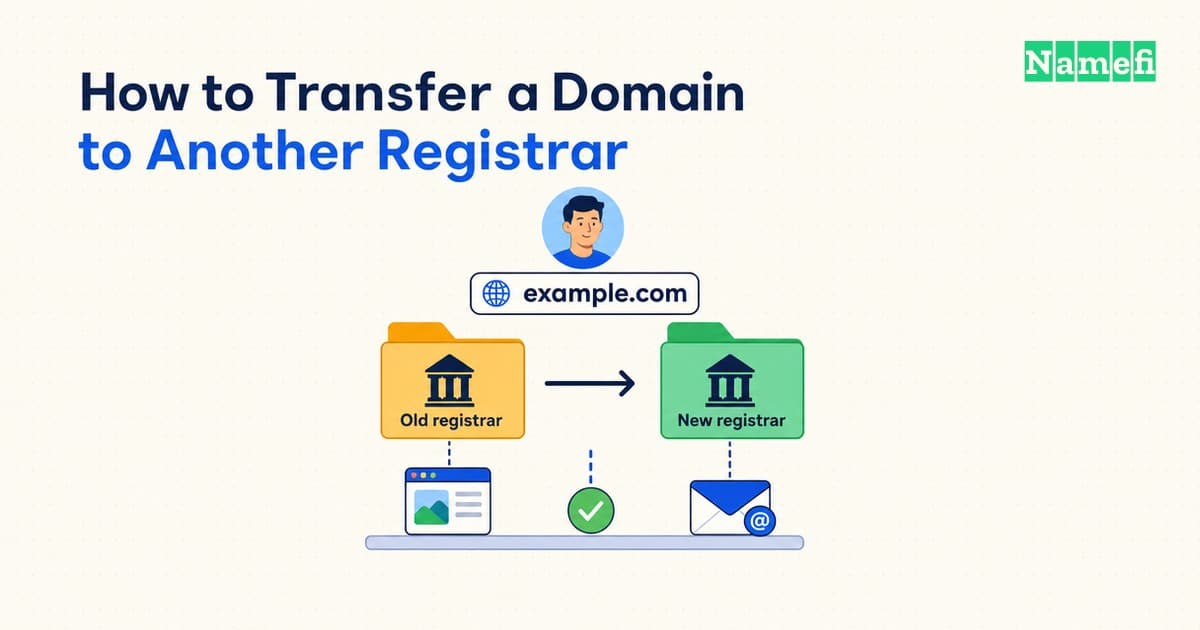
How to Transfer a Domain to Another Registrar
Plan a registrar transfer, check eligibility and locks, obtain the required authorization, and verify website and email continuity after the move.
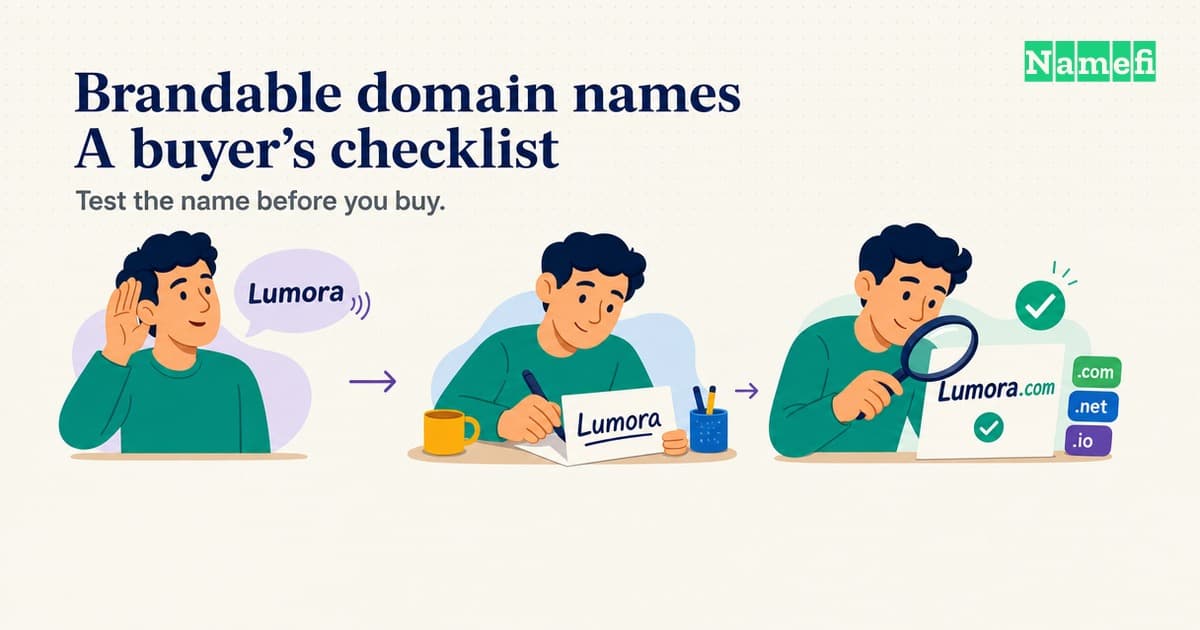
Brandable Domain Names: Examples and What Makes Them Work
Explore brandable domain name examples and the naming qualities behind them, from pronunciation and memorability to flexibility and fit.
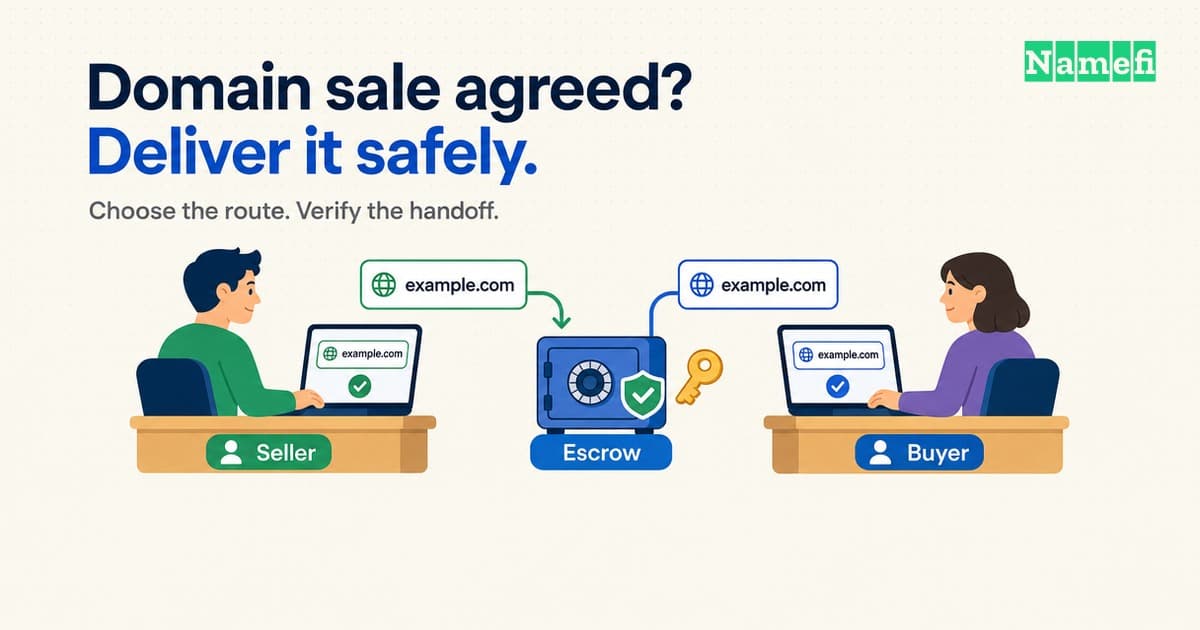
How to Transfer a Domain to a Buyer After a Sale
A seller’s handoff checklist: choose an account push or registrar transfer, confirm payment, protect website and email service, and verify delivery.
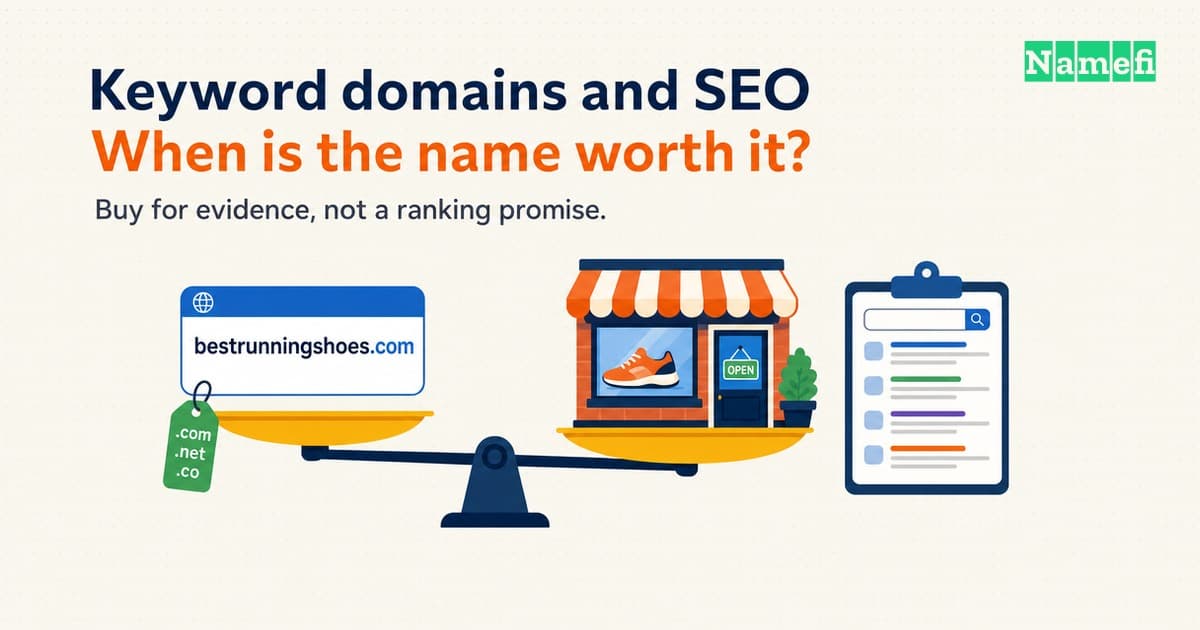
Keyword Domains and SEO: When Is an Exact-Match Name Worth Buying?
Separate a keyword domain’s business value from ranking claims, evaluate a seller’s evidence, and decide what the name is worth to your project.
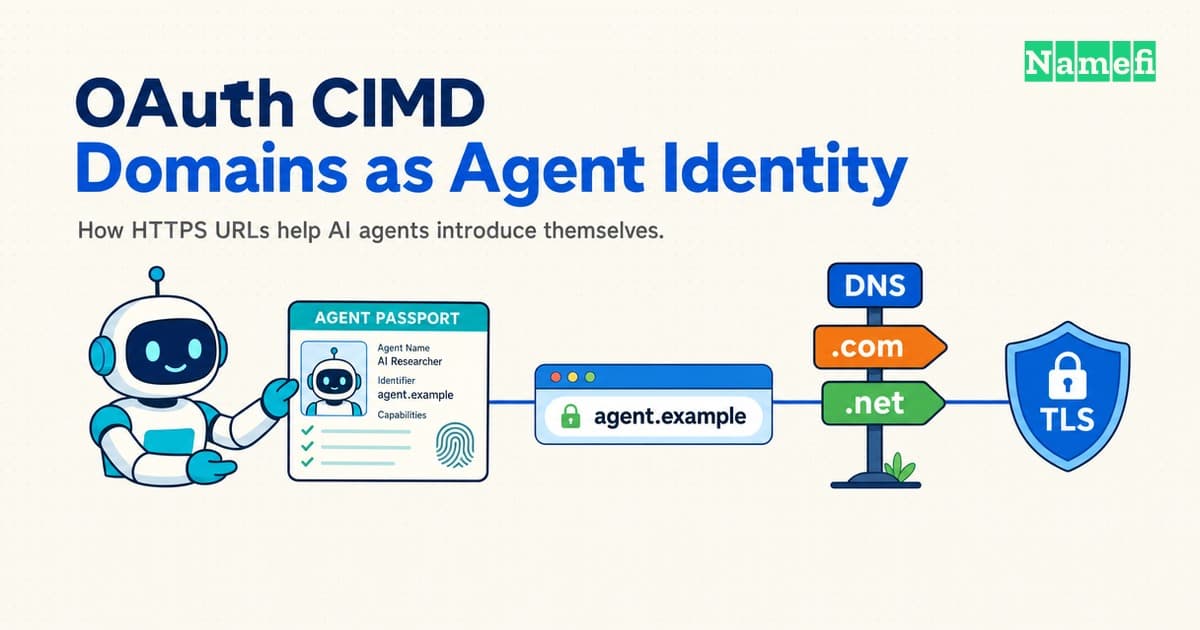
OAuth CIMD: Why Domains Matter for AI Agent Trust
OAuth CIMD lets an HTTPS URL identify a client. For AI agents, that makes stable domains, secure DNS, and TLS part of the trust path.
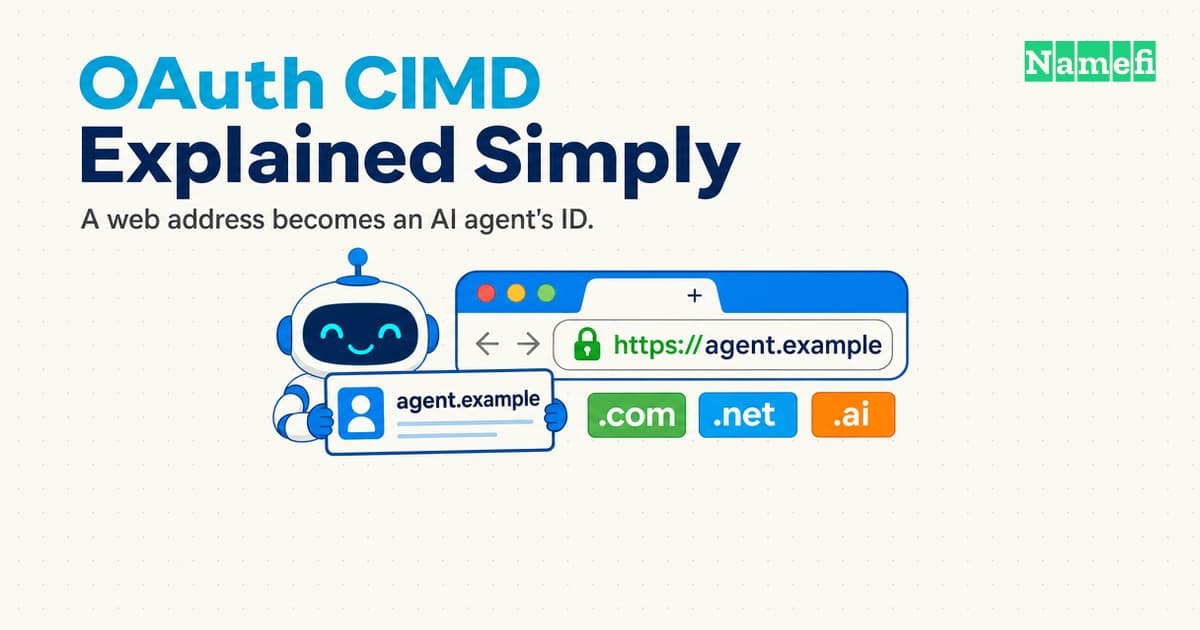
OAuth CIMD Explained Simply: A Web Address as an AI Agent ID
CIMD lets an AI agent use an HTTPS address as its OAuth ID. Learn how domains, HTTPS, and public keys help, and where trust stops.