Web3 & Crypto Foundations
Adjacent building blocks — stablecoins, tokenized assets, zero-knowledge, and the payment rails behind on-chain commerce.
- Stablecoins
- Tokenized assets
- Zero-knowledge
- Payment rails
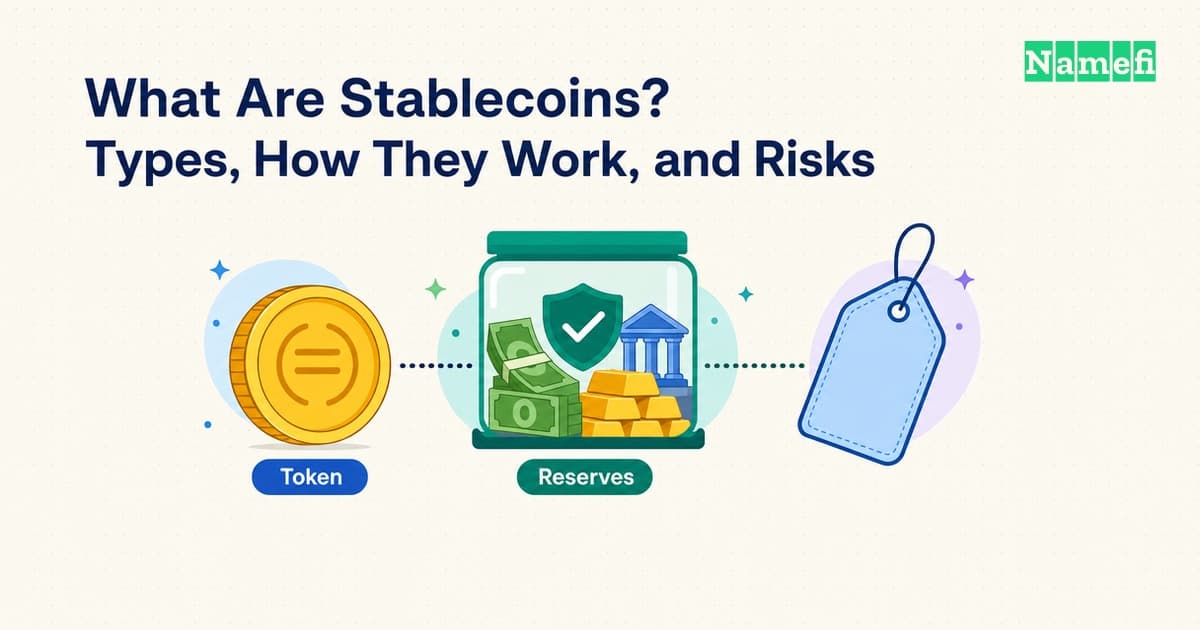
Was sind Stablecoins? Das Fundament der Stabilität in der Web3-Ökonomie
Entdecken Sie, wie Stablecoins die Lücke zwischen traditionellem Fiat-Geld und Kryptowährungen schließen und Stabilität für Web3-Transaktionen und Domain-Investitionen bieten.
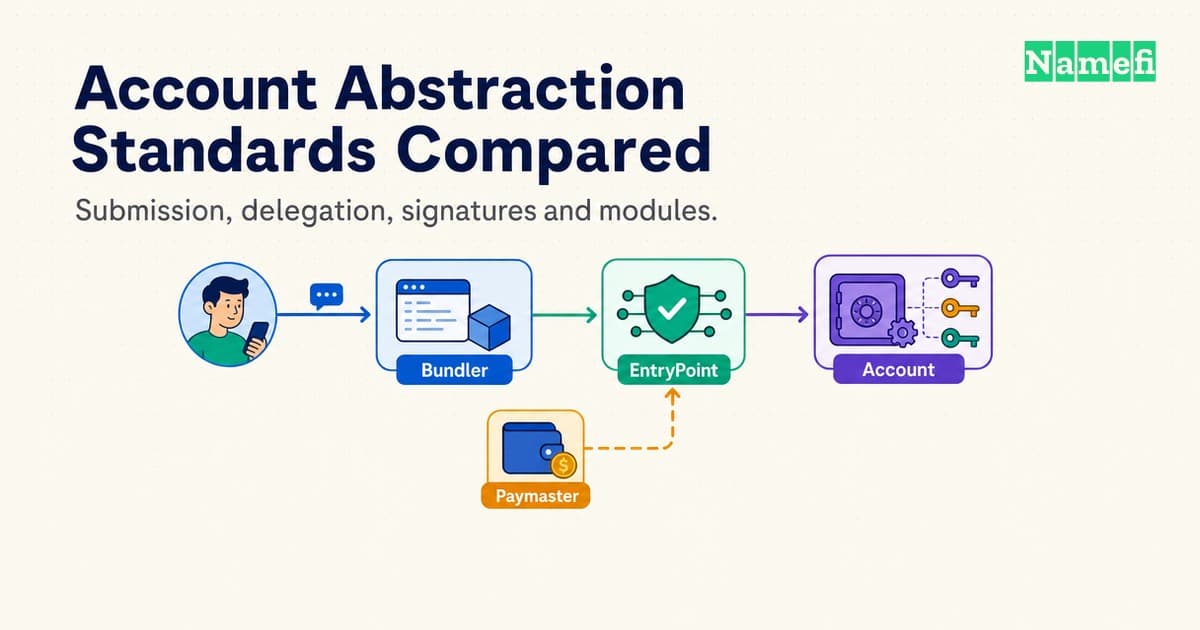
Top Account-Abstraction Standards: ERC-4337, EIP-7702, ERC-1271 and ERC-7579
Compare four account-abstraction standards by transaction flow, delegation, signature policy, module privileges, and integration risks.
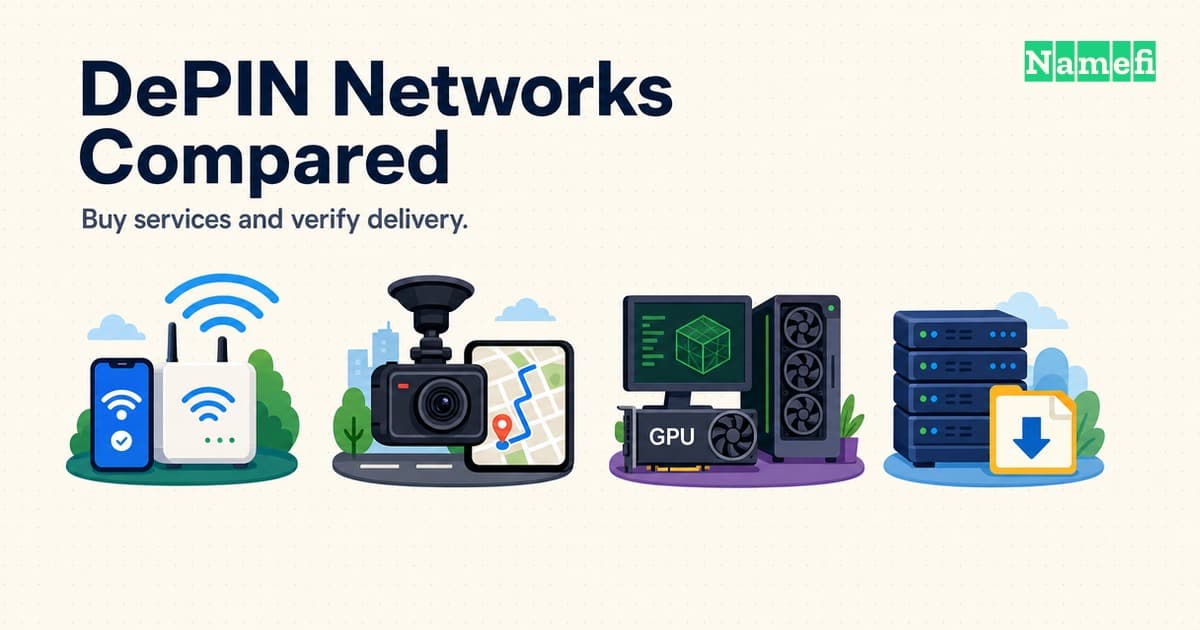
Top DePIN Networks Deliver Different Services: Helium, Hivemapper, Render and Filecoin
Compare Helium, Hivemapper, Render and Filecoin by service delivery, work verification, customer payments, provider rewards and buyer acceptance tests.
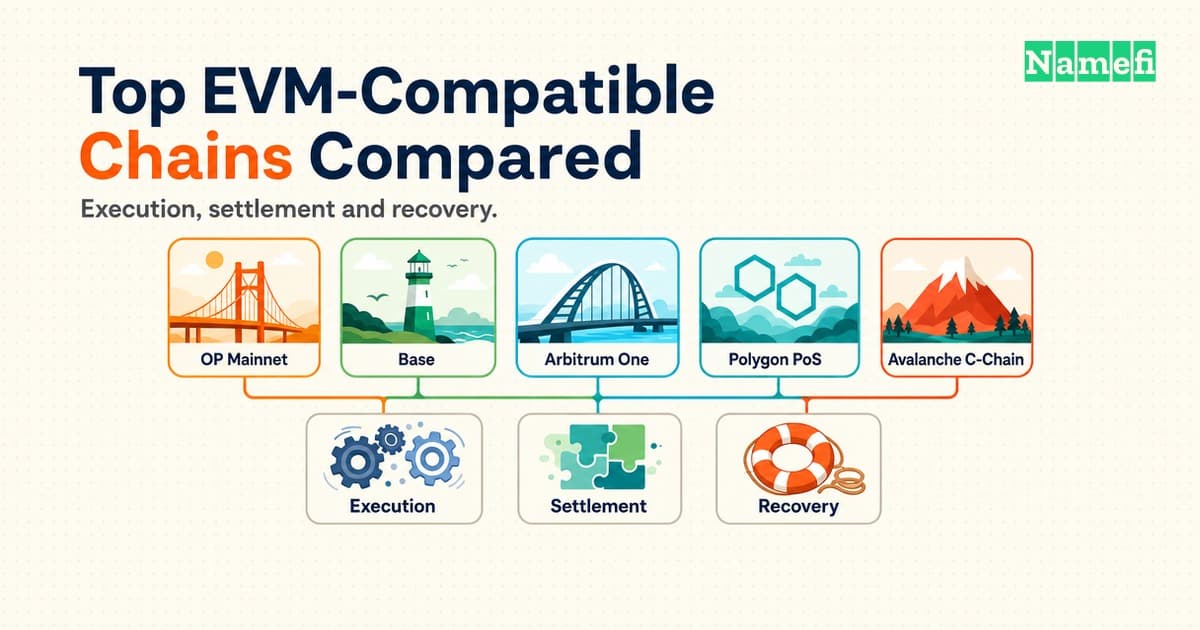
Top EVM-Compatible Chains: OP Mainnet, Base, Arbitrum One, Polygon PoS and Avalanche C-Chain
Compare OP Mainnet, Base, Arbitrum One, Polygon PoS, and Avalanche C-Chain by portability, proofs, validator trust, and recovery requirements.
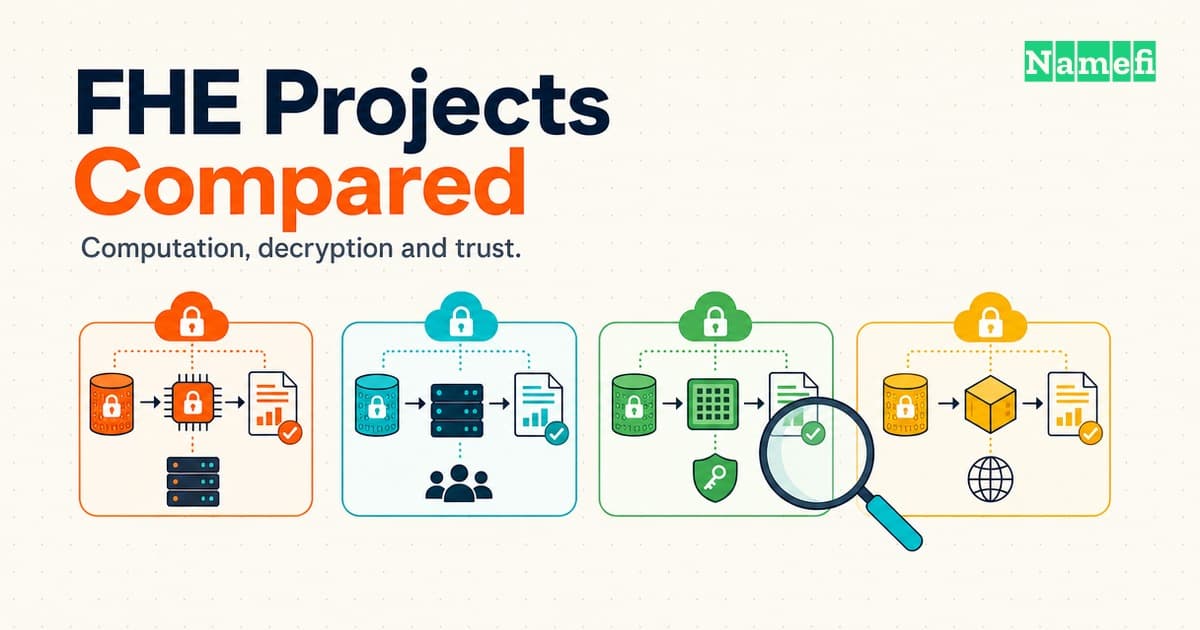
Top FHE Projects: Zama, Fhenix, Inco, and Sunscreen Compared
Compare Zama, Fhenix, Inco, and Sunscreen by encrypted execution, integration, decryption trust, and documented deployment status.
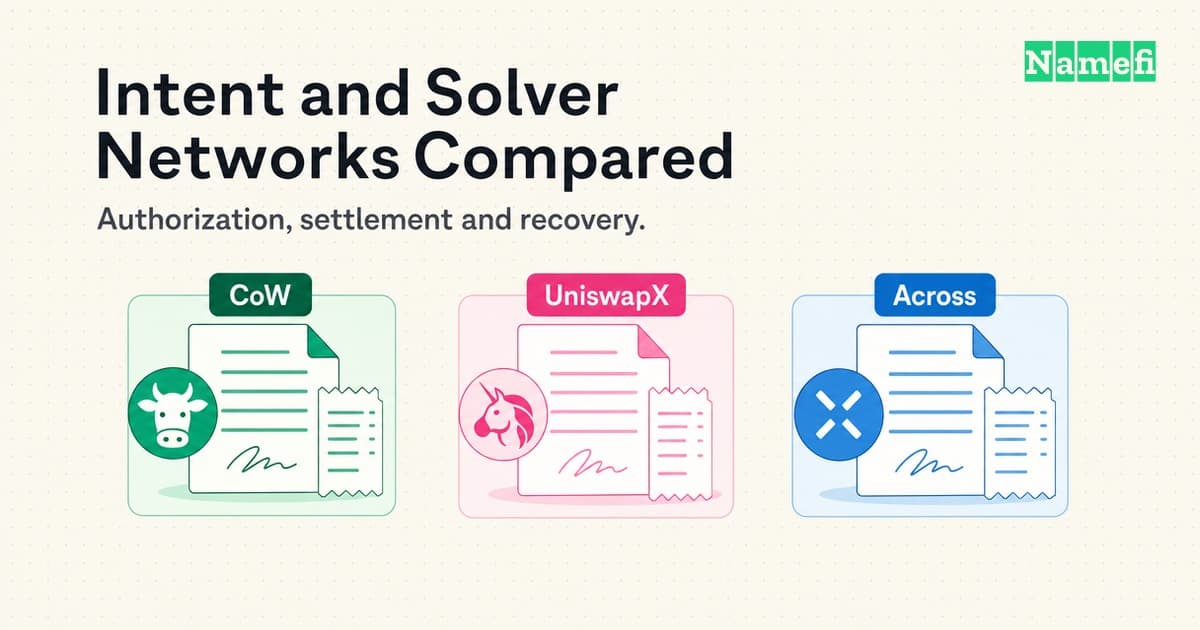
Top Intent and Solver Networks Use Different Settlement Rules
Compare CoW Protocol, UniswapX and Across through signed orders, solver competition, settlement checks and practical recovery steps.
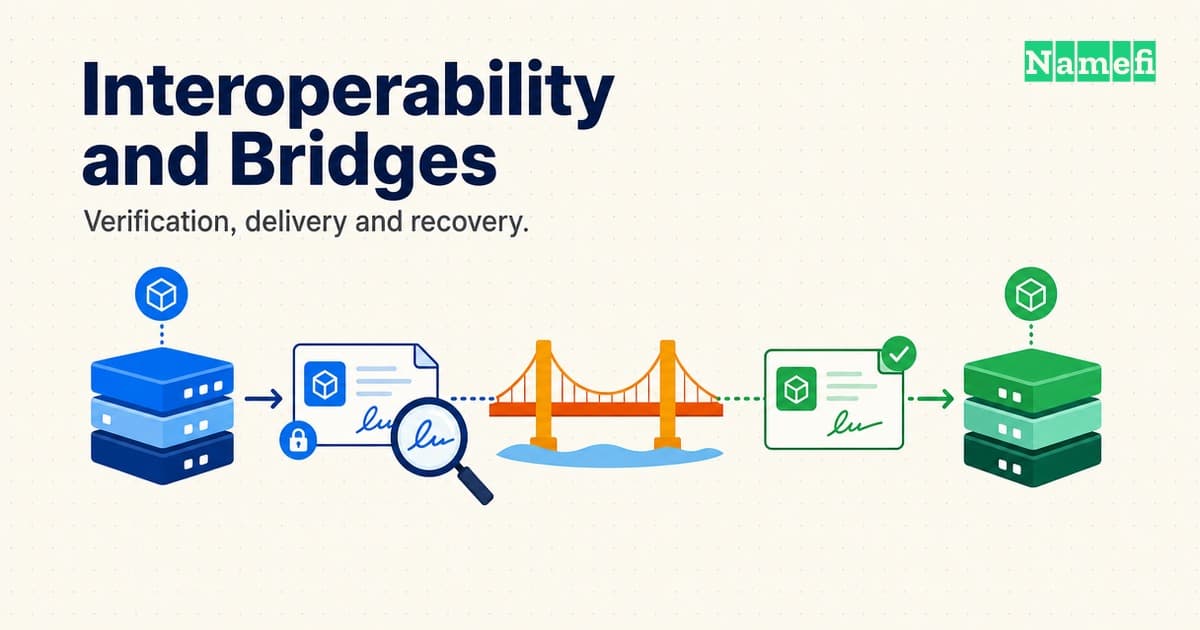
Top Interoperability Protocols Connect Chains Through Different Verification Models
Compare IBC, Chainlink CCIP, LayerZero and Wormhole by verification, token handling, configuration risk and recovery after failed delivery.
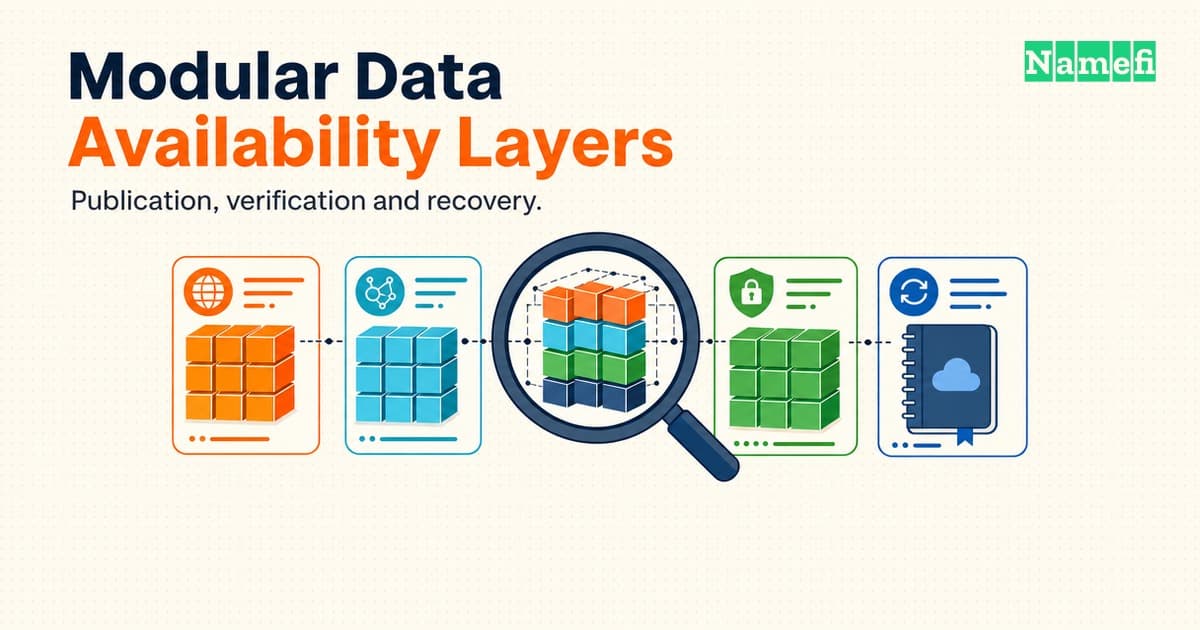
Top Modular Data Availability Layers: Celestia, EigenDA, Avail and NEAR DA
Compare Celestia, EigenDA, Avail and NEAR DA by verification path, operating assumptions, pricing structure and recovery requirements.
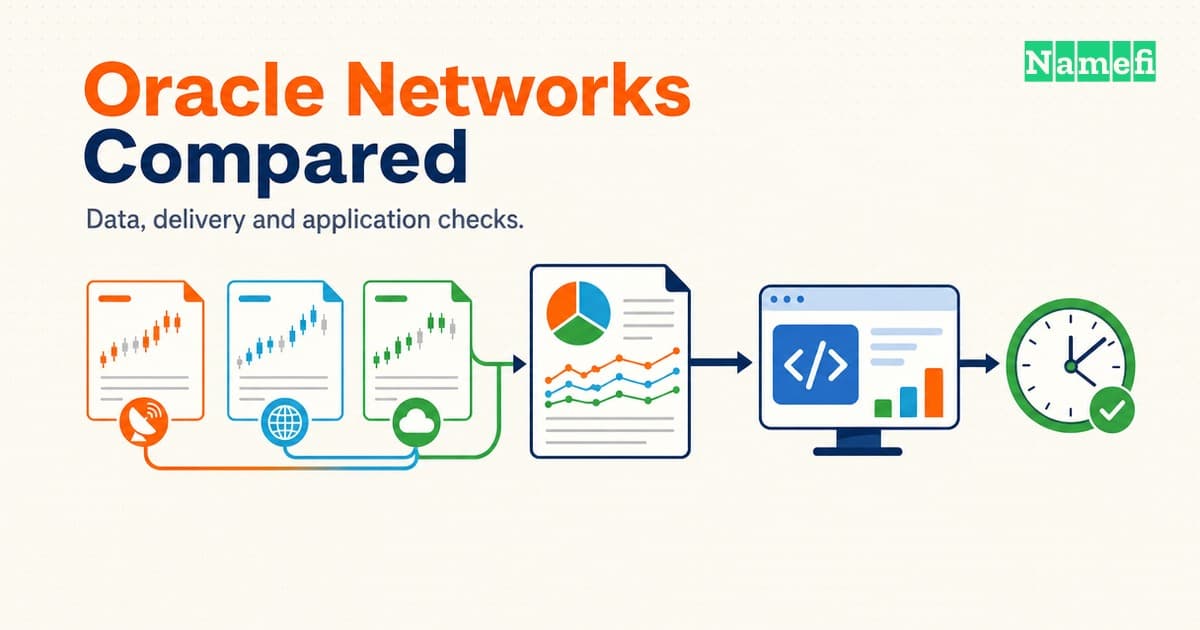
Top Oracle Networks Solve Different Data Problems: Chainlink, Pyth, RedStone and UMA
Compare Chainlink, Pyth, RedStone and UMA by data origin, delivery, freshness, confidence, disputes and application trust assumptions.

Top Restaking and Shared-Security Approaches Define Different Guarantees
Compare EigenLayer, Symbiotic, and legacy Karak designs through collateral, allocation, slashing authority, withdrawal timing, and recovery.
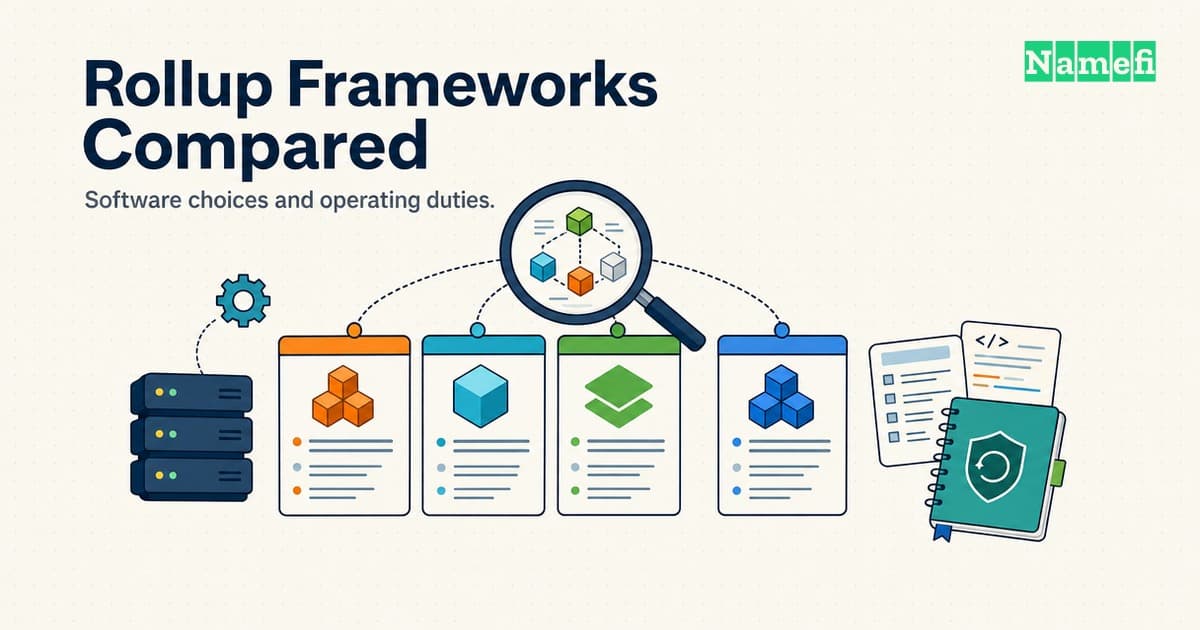
Top Rollup Frameworks: Compare OP Stack, Arbitrum Orbit, ZK Stack and Polygon CDK
Compare OP Stack, Arbitrum Orbit, ZK Stack, and Polygon CDK by deployment choices, data availability, proof systems, and operations.
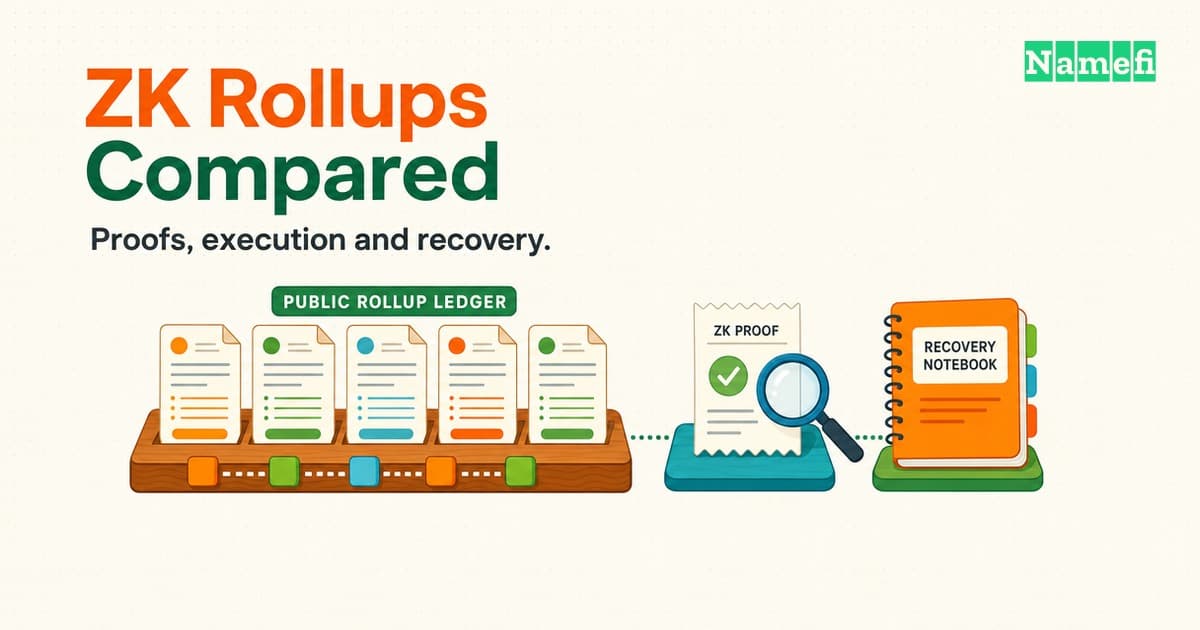
Top ZK Rollups Require Different Development and Recovery Choices
Compare ZKsync, Starknet, Scroll, and Linea by compatibility and recovery, and understand Polygon zkEVM's completed sunset.
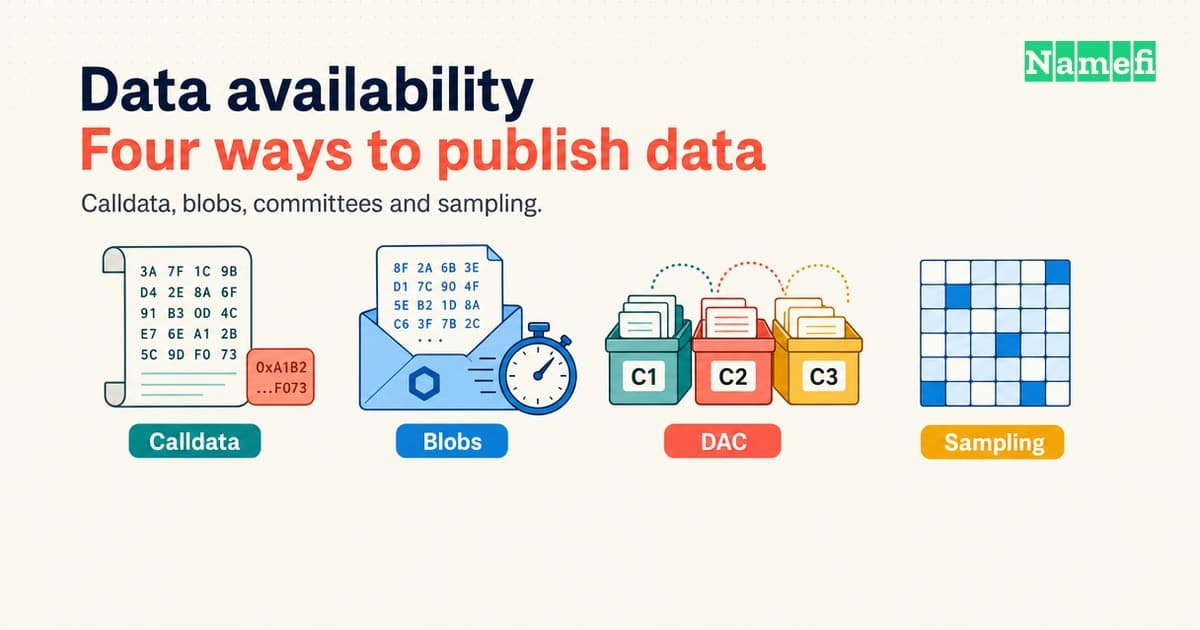
Top Blockchain Data-Availability Approaches: Calldata, Blobs, Committees and Sampling
Compare Ethereum calldata and blobs, data-availability committees, and sampling-based networks by recovery guarantee, cost, and trust assumptions.
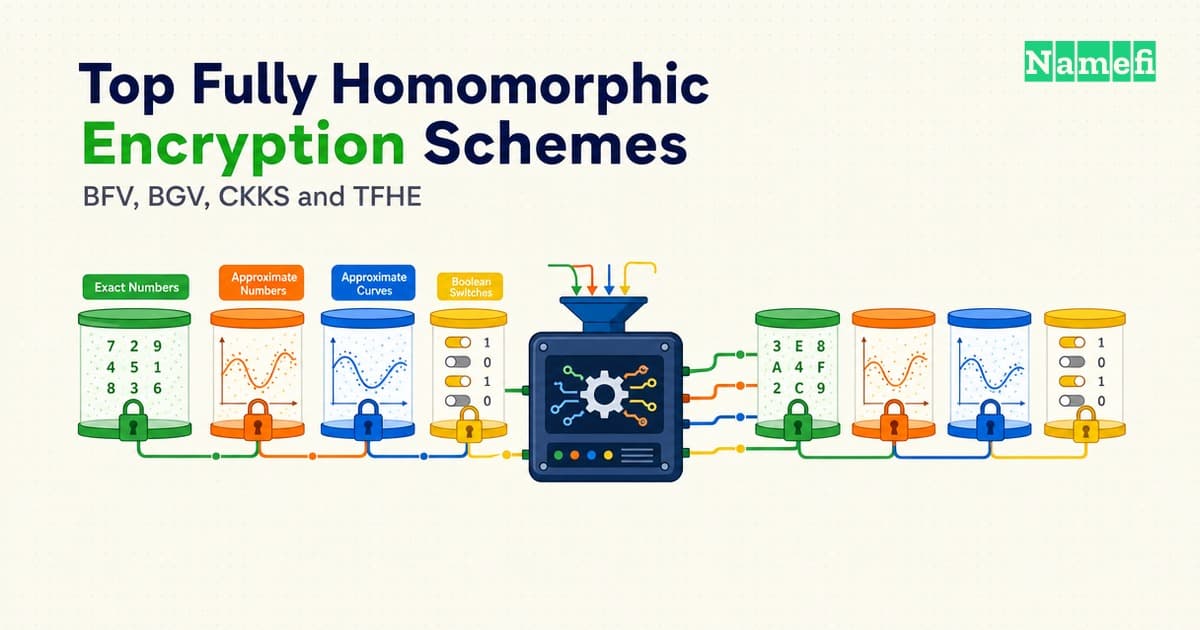
Top Fully Homomorphic Encryption Schemes: BFV, BGV, CKKS and TFHE
A practical comparison of BFV, BGV, CKKS, and TFHE by data type, bootstrapping cost, workload fit, maturity, and available libraries.
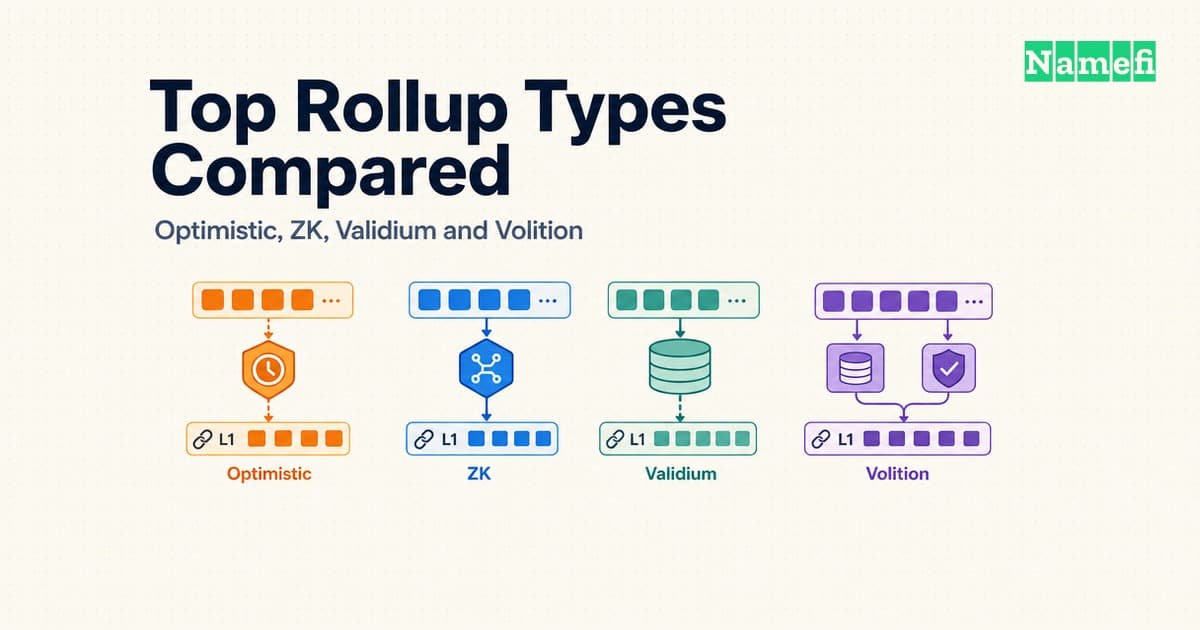
Top Rollup Types: Optimistic, ZK, Validium and Volition Compared
Compare optimistic rollups, ZK rollups, validiums, and volitions by data availability, security inheritance, withdrawal delay, cost, and networks.
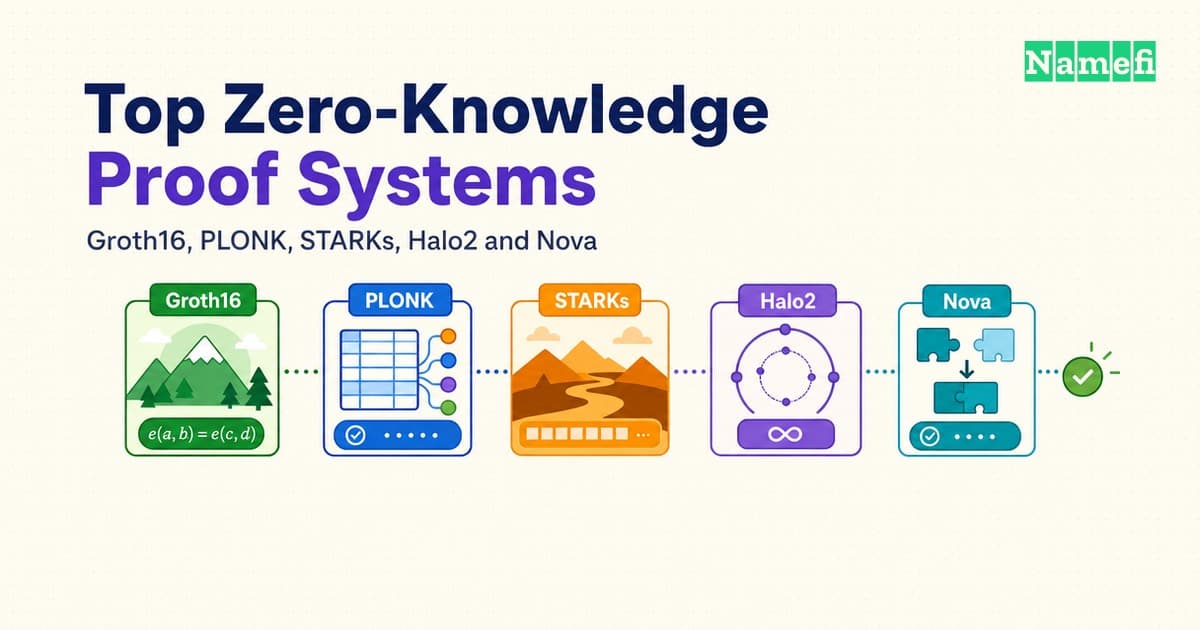
Top Zero-Knowledge Proof Systems: Groth16, PLONK, STARKs, Halo2 and Nova
A practical comparison of Groth16, PLONK, STARKs, Halo2, and Nova across proof size, proving speed, setup, verification, and EVM fit.
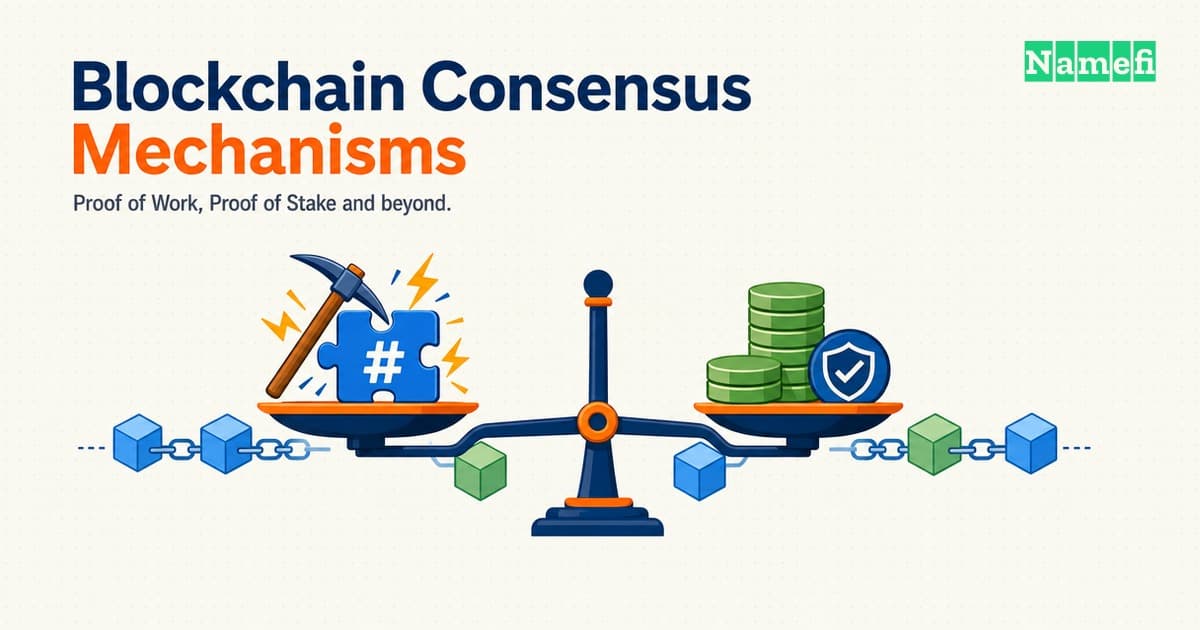
Die wichtigsten Blockchain-Konsensmechanismen: Proof of Work, Proof of Stake und mehr
Ein klarer Leitfaden zu Blockchain-Konsensmechanismen — Proof of Work, Proof of Stake, Delegated Proof of Stake, BFT-Konsens und dazu, wie sie jeweils ein Netzwerk absichern.
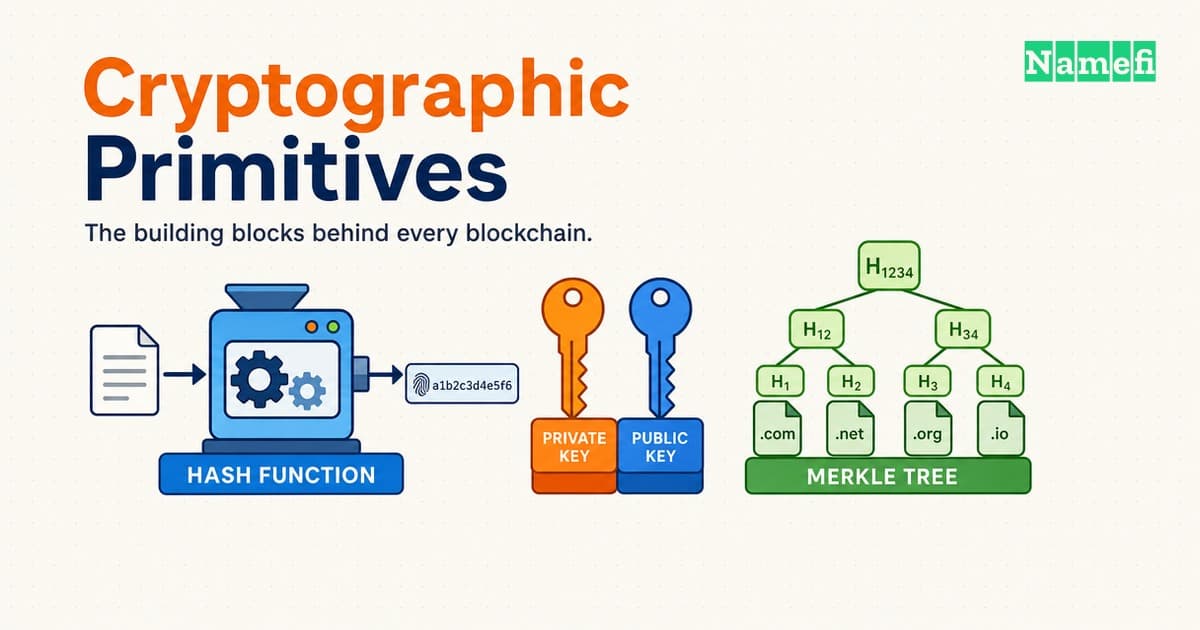
Die wichtigsten kryptografischen Primitive hinter jeder Blockchain
Ein Leitfaden zu den zentralen kryptografischen Primitiven, die Blockchains ermöglichen: Hashfunktionen, digitale Signaturen, Merkle-Bäume, Elliptische-Kurven-Kryptografie und Commitment-Schemata.
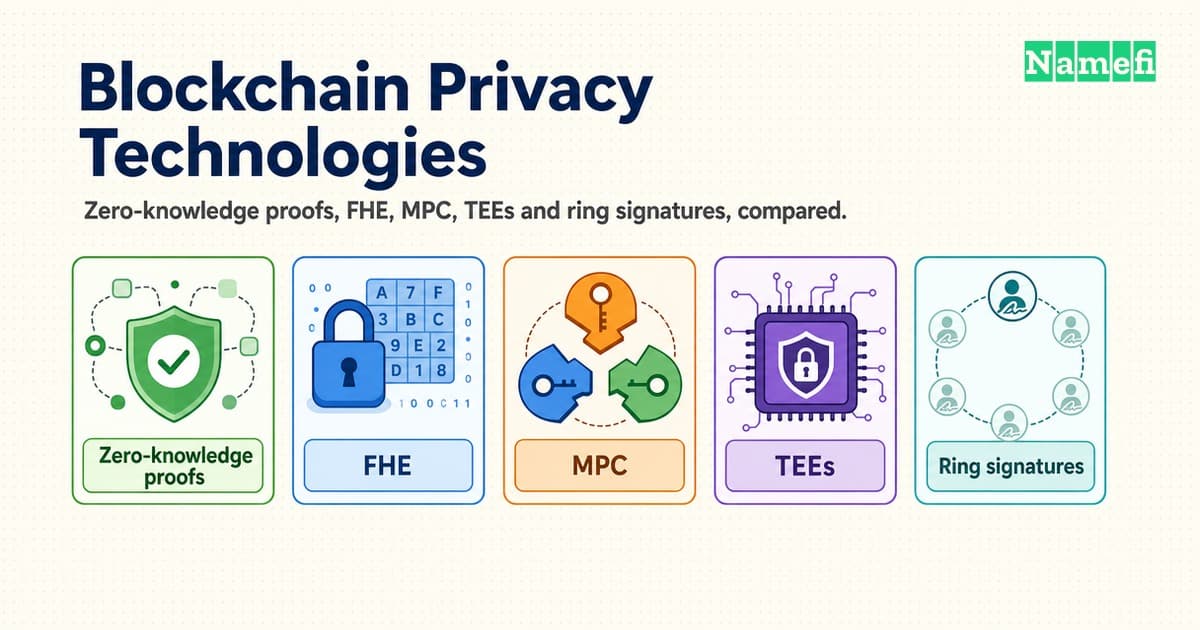
Die wichtigsten Blockchain-Datenschutztechnologien: Zero-Knowledge-Proofs, FHE, MPC, TEEs und Ringsignaturen
Ein verständlicher Leitfaden zu den fünf führenden Blockchain-Datenschutztechnologien — Zero-Knowledge-Proofs, FHE, MPC, TEEs und Ringsignaturen — im direkten Vergleich.
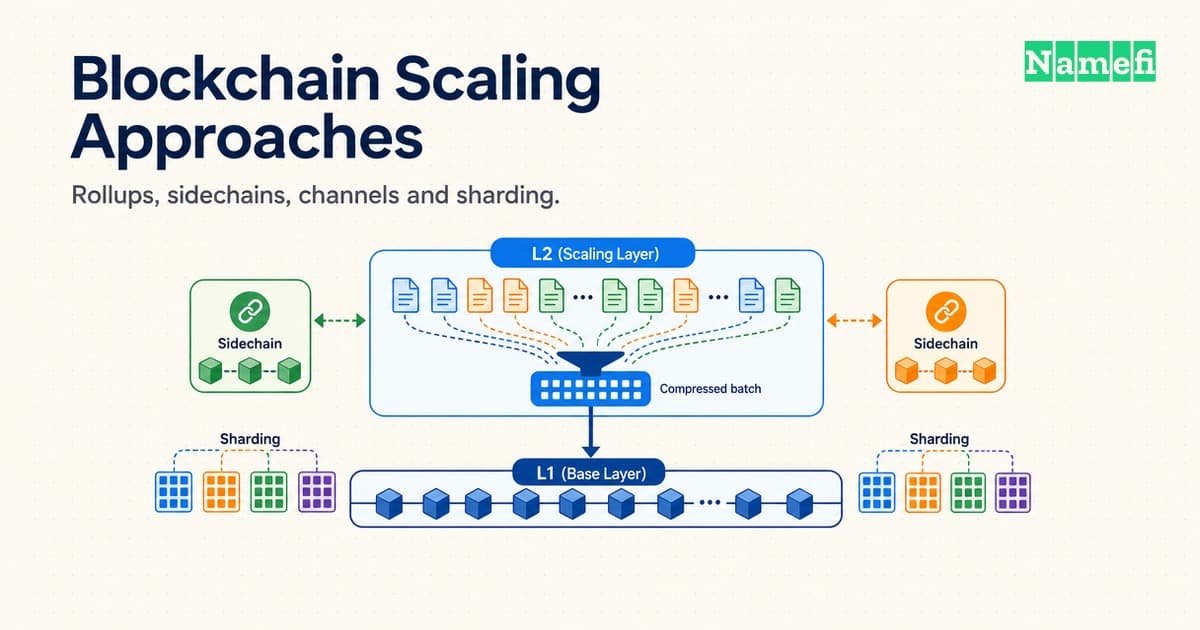
Die wichtigsten Blockchain-Skalierungsansätze: Rollups, Sidechains, Channels und Sharding
Ein Leitfaden für Einsteiger zur Blockchain-Skalierung — Optimistic Rollups, ZK Rollups, Sidechains, Payment Channels, Sharding und Datenverfügbarkeitsschichten im Vergleich.
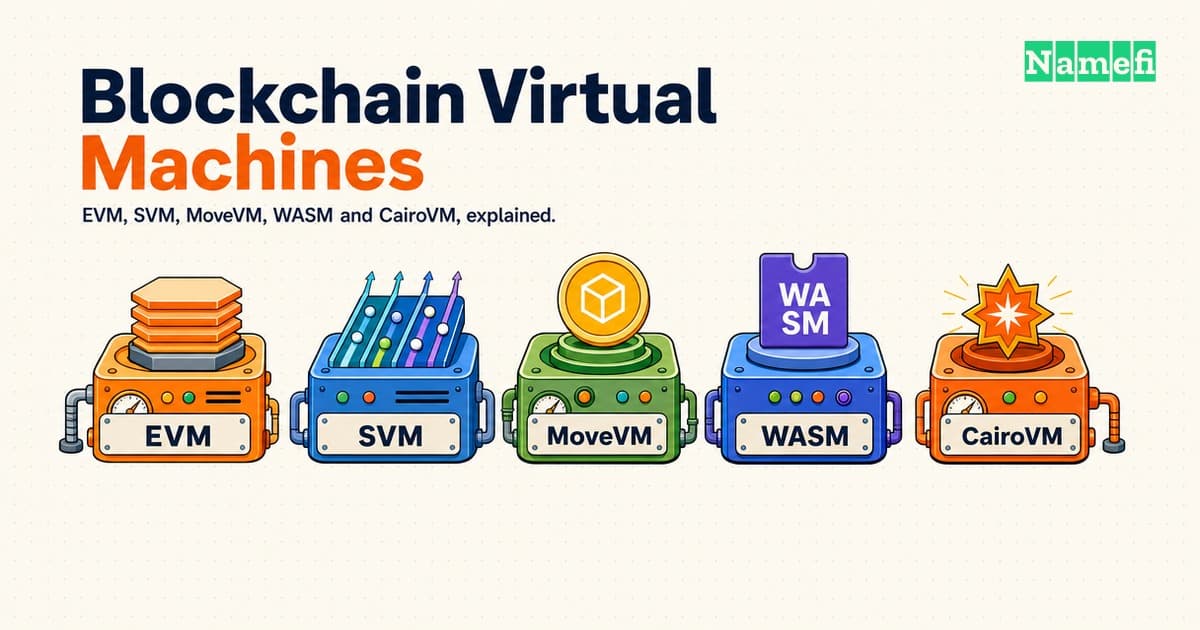
Die wichtigsten virtuellen Maschinen für Blockchains: EVM, SVM, MoveVM, WebAssembly/RISC-V und CairoVM
Ein Leitfaden zu den wichtigsten virtuellen Maschinen für Blockchains — EVM, SVM, MoveVM, WebAssembly- und RISC-V-VMs sowie CairoVM — mit einem Vergleich von Sprachen, Ausführungsmodellen und Ökosystemen.
Perfektes vs. rechnerisches Zero-Knowledge: Was die Unterscheidung wirklich bedeutet
Zero-Knowledge-Beweise gibt es in drei Varianten – perfekt, statistisch und rechnerisch – und der Unterschied ist wichtiger, als in den meisten technischen Diskussionen zugegeben wird. Dieser Beitrag erklärt jede Variante in einfacher Sprache, warum fast jedes ZK-Produktionssystem im Jahr 2026 rechnerischer Natur ist und welche Vor- und Nachteile dies mit sich bringt.
Vorstellung von Route402 – ein x402 Facilitator-Router
Ein mandantenfähiger Router, der es Ihnen ermöglicht, x402 einmalig zu integrieren und Anfragen nach Richtlinien und Live-Signalen zu routen, ohne die Routing-Logik in Ihre App zu verschieben.
Google enthüllt das ‚Universal Commerce Protocol‘ als Antrieb für die nächste Generation von KI-Shopping-Agenten
UCP ist Googles Vorstoß, den Agenten-nativen Handel voranzutreiben und KI-Assistenten das Einkaufen und Bezahlen im gesamten Open Web zu ermöglichen.
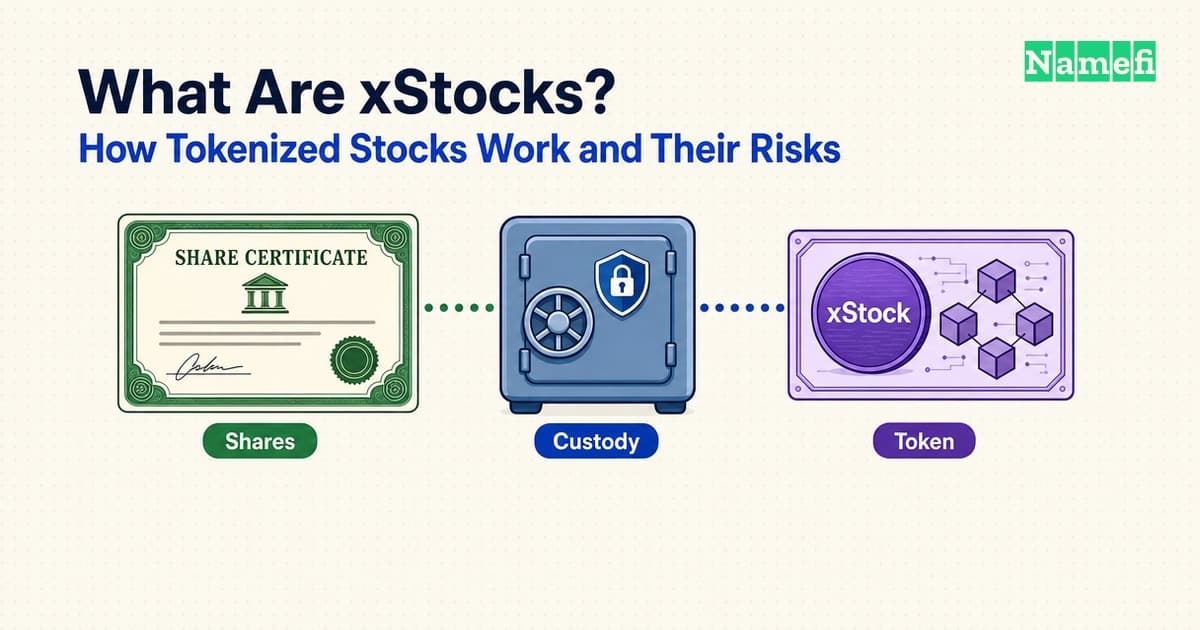
Was sind xStocks? Warum sollten Domain-Besitzer sich dafür interessieren?
Erfahren Sie, wie xStocks die Finanzwelt revolutionieren und warum Domain-Besitzer, die Tokenisierung über Namefi nutzen, einzigartig positioniert sind, um diese digitale Verschiebung anzuführen.