Blockchain Concepts
Plain-language roundups of the core technologies behind blockchains — privacy, virtual machines, consensus, cryptography, and scaling.
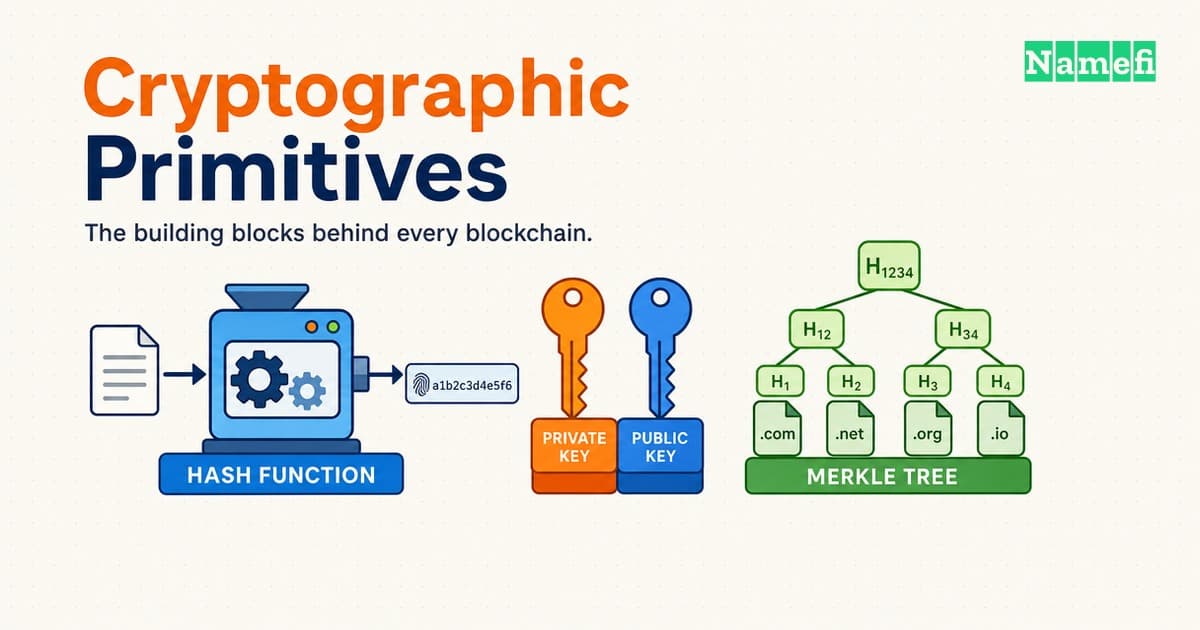
모든 블록체인을 지탱하는 주요 암호학적 기본 요소
해시 함수, 디지털 서명, Merkle 트리, 타원곡선 암호학, 커밋먼트 등 블록체인을 작동하게 하는 핵심 암호학적 기본 요소를 설명합니다.
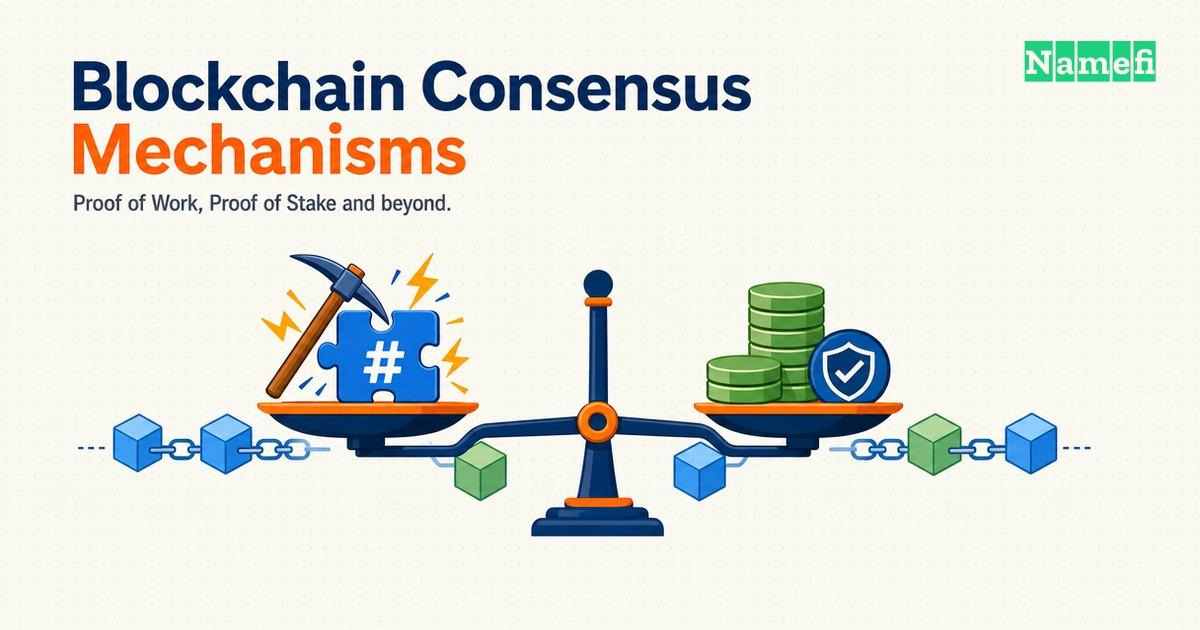
주요 블록체인 합의 메커니즘: 작업 증명, 지분 증명 그리고 그 너머
작업 증명, 지분 증명, 위임 지분 증명, BFT 합의 등 주요 블록체인 합의 메커니즘과 각 방식이 네트워크를 보호하는 원리를 명확하게 설명합니다.
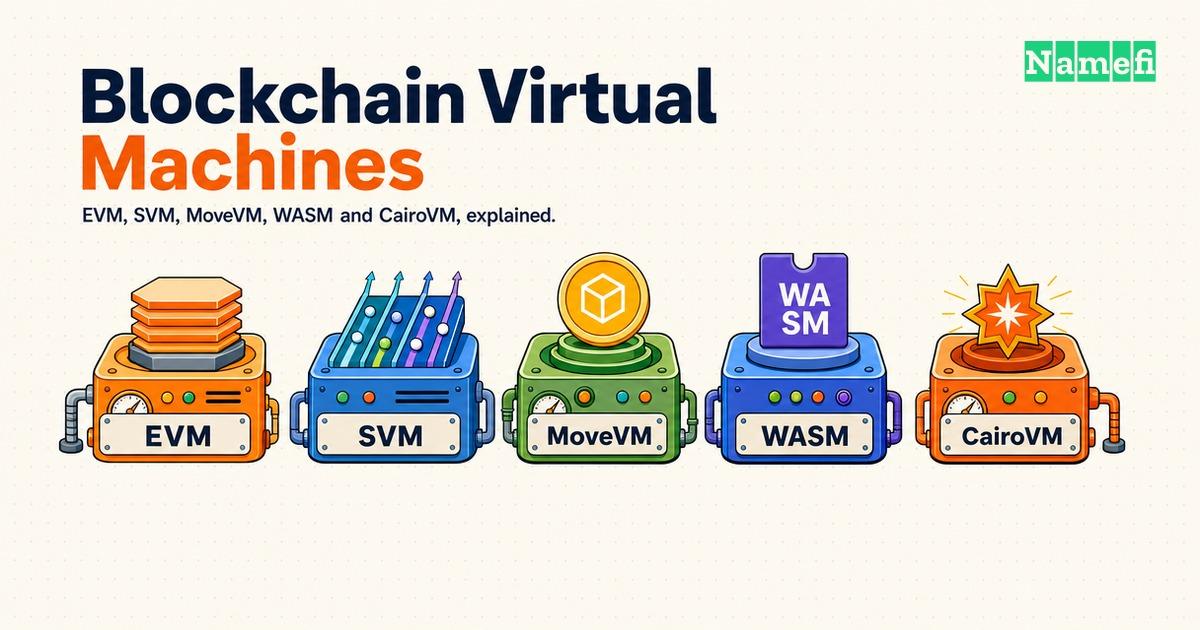
주요 블록체인 가상 머신: EVM, SVM, MoveVM, WebAssembly/RISC-V, CairoVM
EVM, SVM, MoveVM, WebAssembly 및 RISC-V VM, CairoVM의 언어, 실행 모델, 생태계를 비교하는 주요 블록체인 가상 머신 가이드입니다.
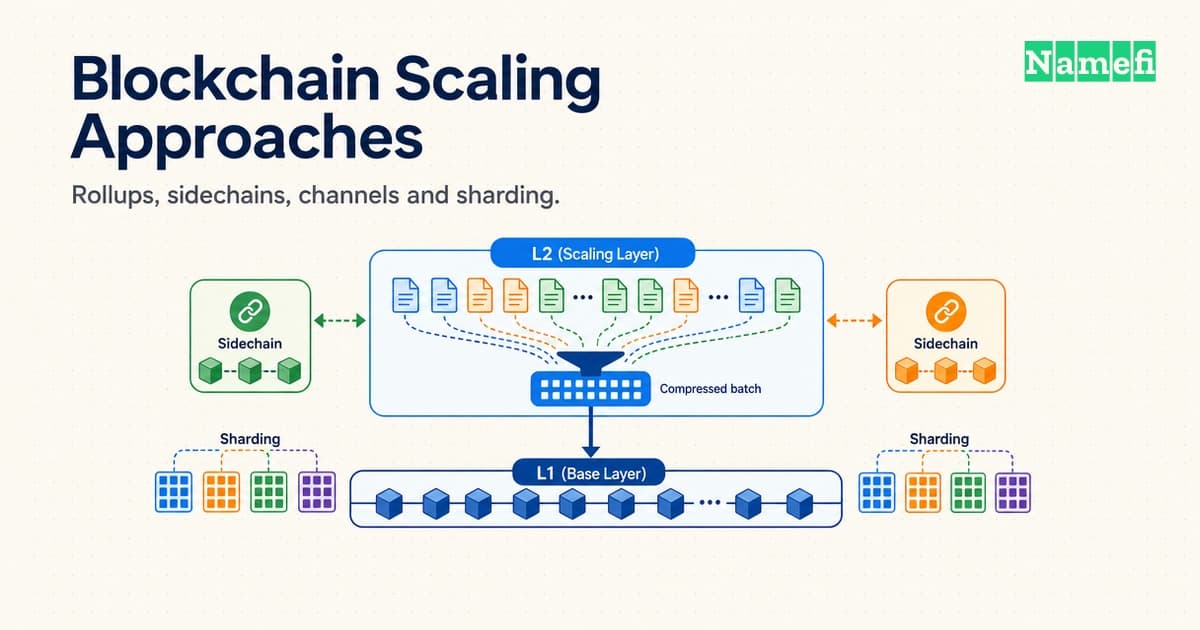
주요 블록체인 확장 방식: 롤업, 사이드체인, 채널, 샤딩
옵티미스틱 롤업, ZK 롤업, 사이드체인, 결제 채널, 샤딩, 데이터 가용성 레이어를 비교하는 블록체인 확장성 입문 가이드입니다.
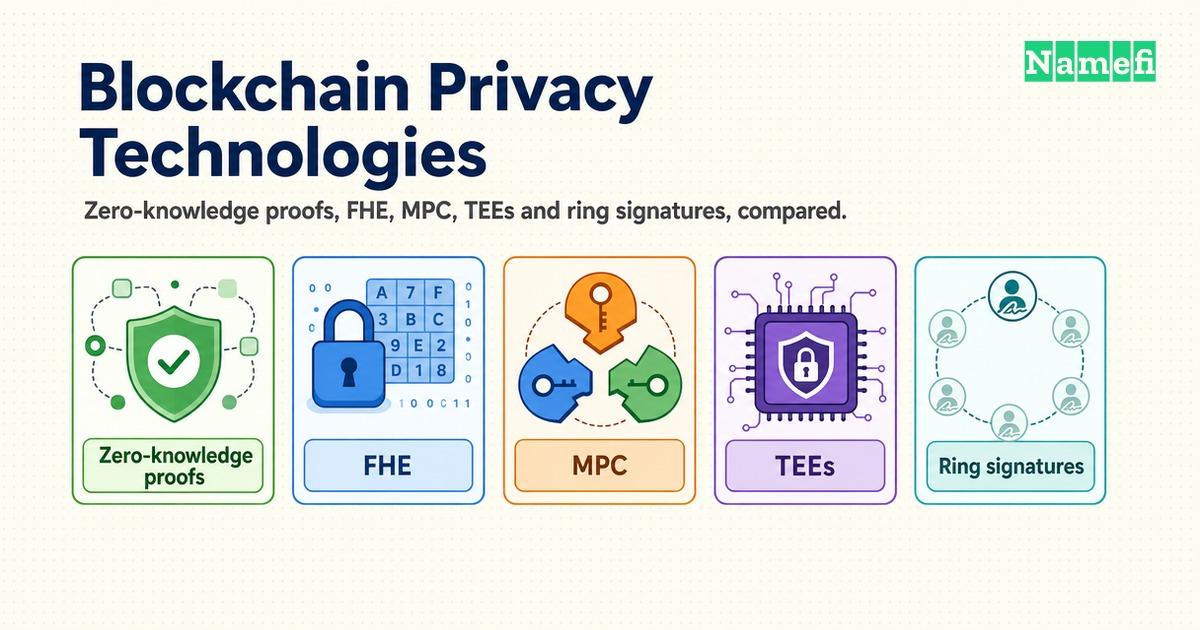
주요 블록체인 프라이버시 기술: 영지식 증명, FHE, MPC, TEE, 링 서명
영지식 증명, FHE, MPC, TEE, 링 서명 등 다섯 가지 주요 블록체인 프라이버시 기술을 쉬운 말로 설명하고 나란히 비교합니다.
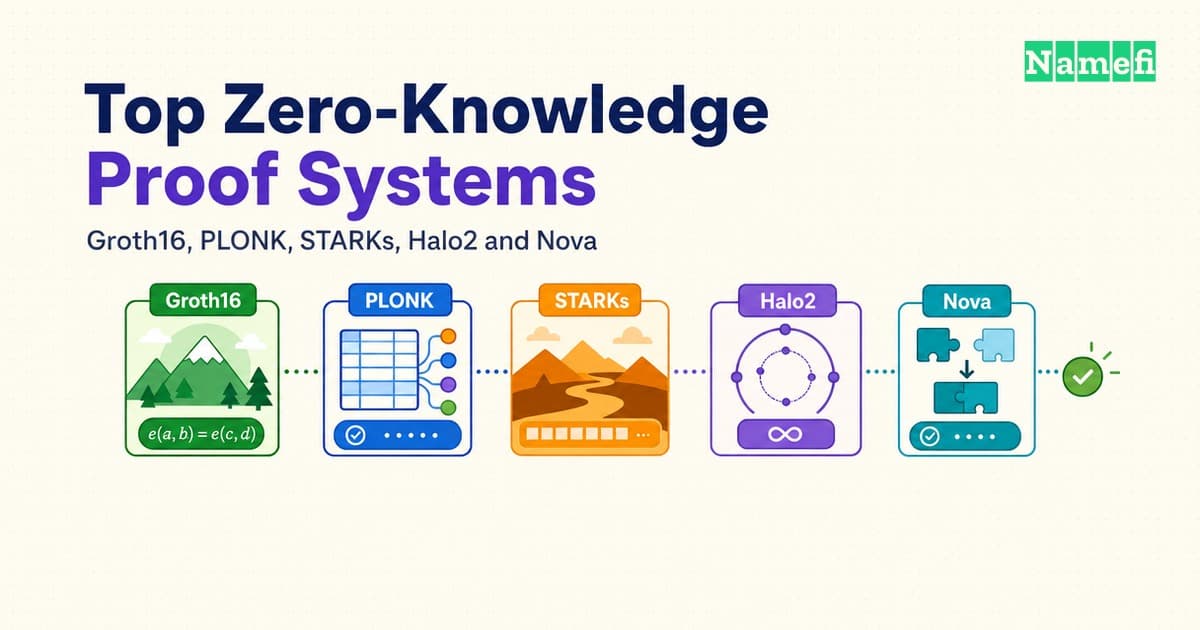
Top Zero-Knowledge Proof Systems: Groth16, PLONK, STARKs, Halo2 and Nova
A practical comparison of Groth16, PLONK, STARKs, Halo2, and Nova across proof size, proving speed, setup, verification, and EVM fit.
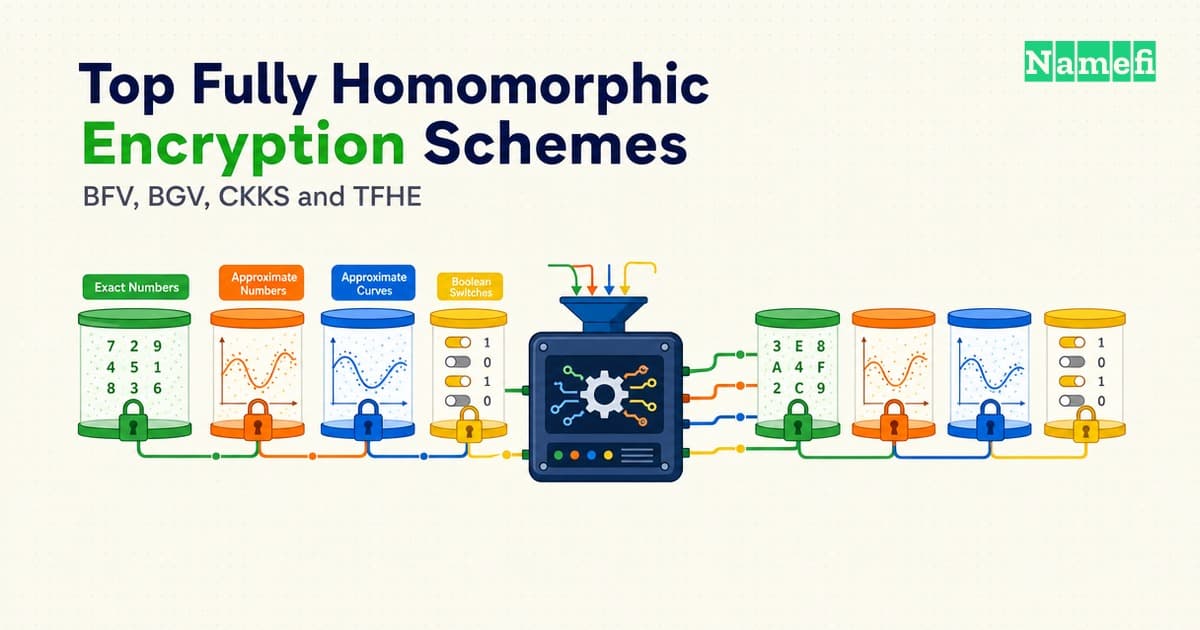
Top Fully Homomorphic Encryption Schemes: BFV, BGV, CKKS and TFHE
A practical comparison of BFV, BGV, CKKS, and TFHE by data type, bootstrapping cost, workload fit, maturity, and available libraries.
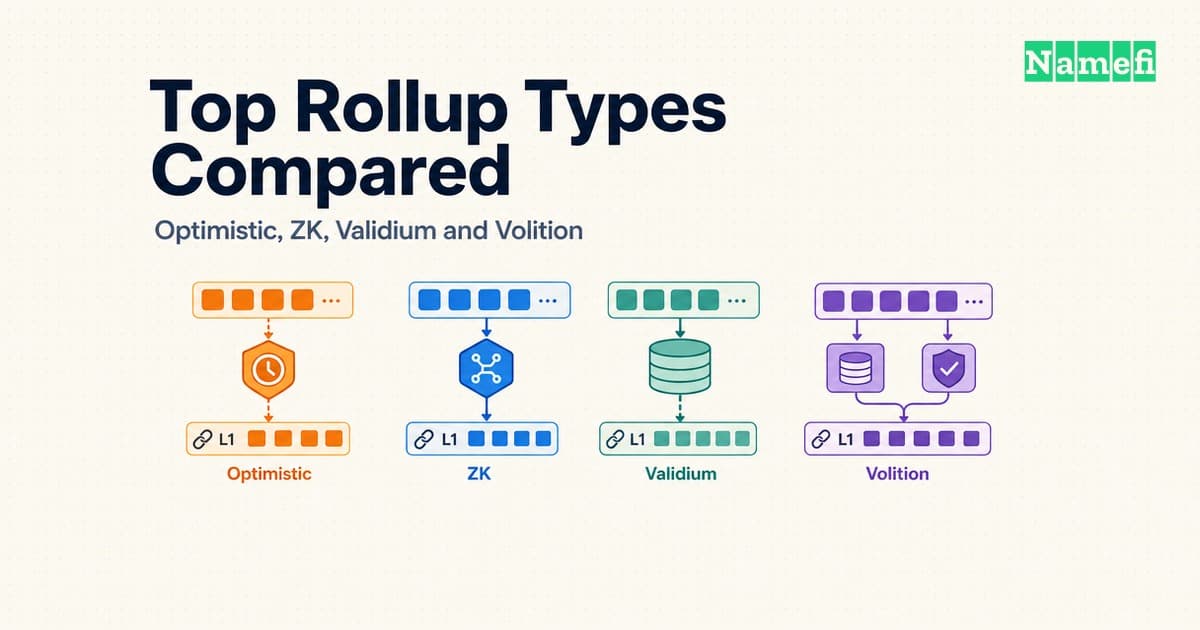
Top Rollup Types: Optimistic, ZK, Validium and Volition Compared
Compare optimistic rollups, ZK rollups, validiums, and volitions by data availability, security inheritance, withdrawal delay, cost, and networks.
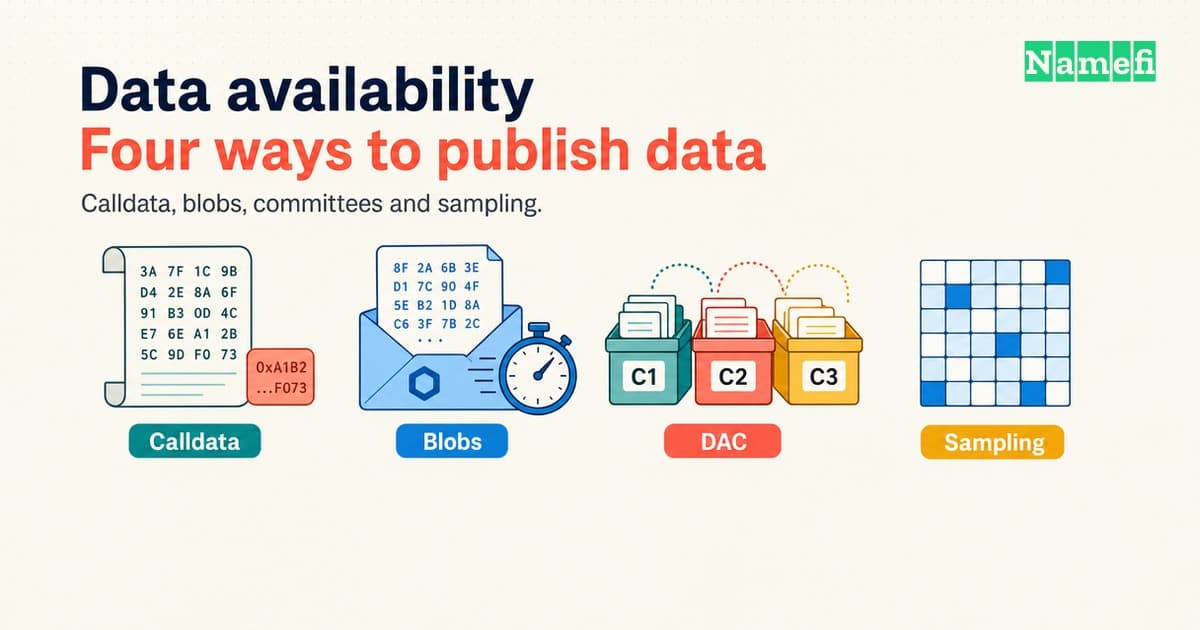
Top Blockchain Data-Availability Approaches: Calldata, Blobs, Committees and Sampling
Compare Ethereum calldata and blobs, data-availability committees, and sampling-based networks by recovery guarantee, cost, and trust assumptions.
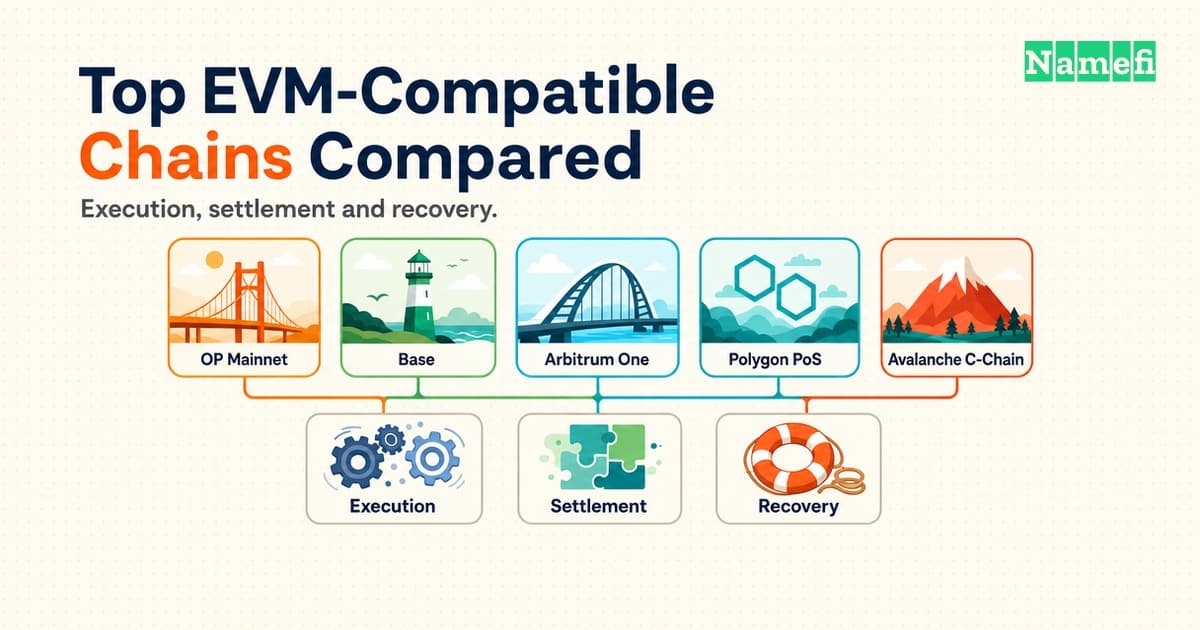
Top EVM-Compatible Chains: OP Mainnet, Base, Arbitrum One, Polygon PoS and Avalanche C-Chain
Compare OP Mainnet, Base, Arbitrum One, Polygon PoS, and Avalanche C-Chain by portability, proofs, validator trust, and recovery requirements.
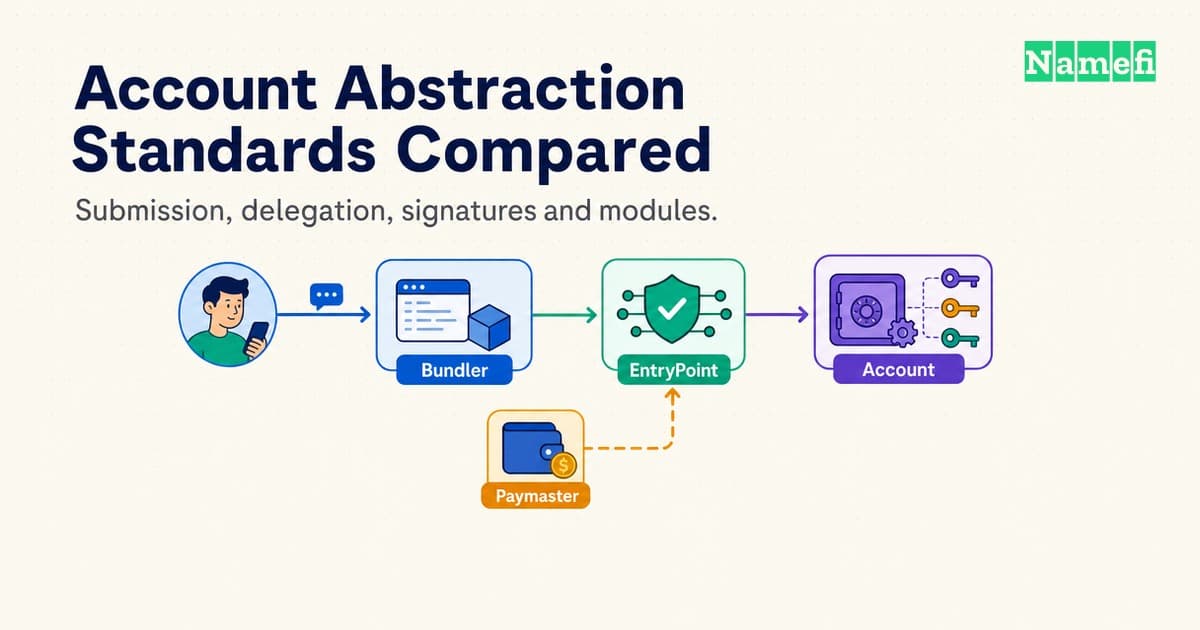
Top Account-Abstraction Standards: ERC-4337, EIP-7702, ERC-1271 and ERC-7579
Compare four account-abstraction standards by transaction flow, delegation, signature policy, module privileges, and integration risks.
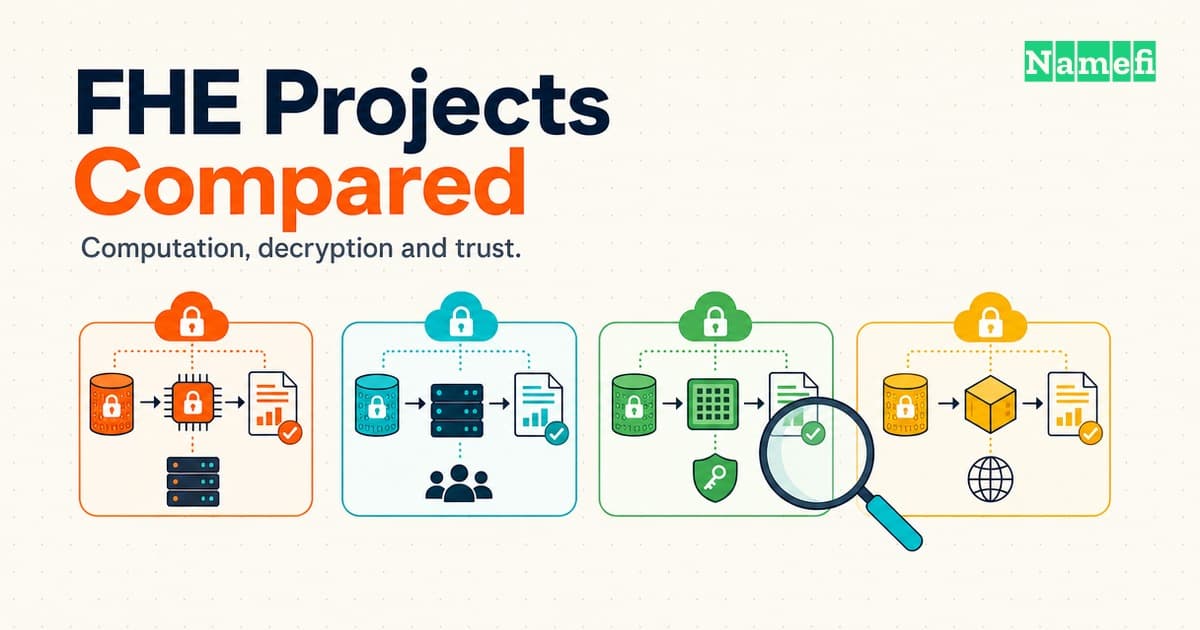
Top FHE Projects: Zama, Fhenix, Inco, and Sunscreen Compared
Compare Zama, Fhenix, Inco, and Sunscreen by encrypted execution, integration, decryption trust, and documented deployment status.
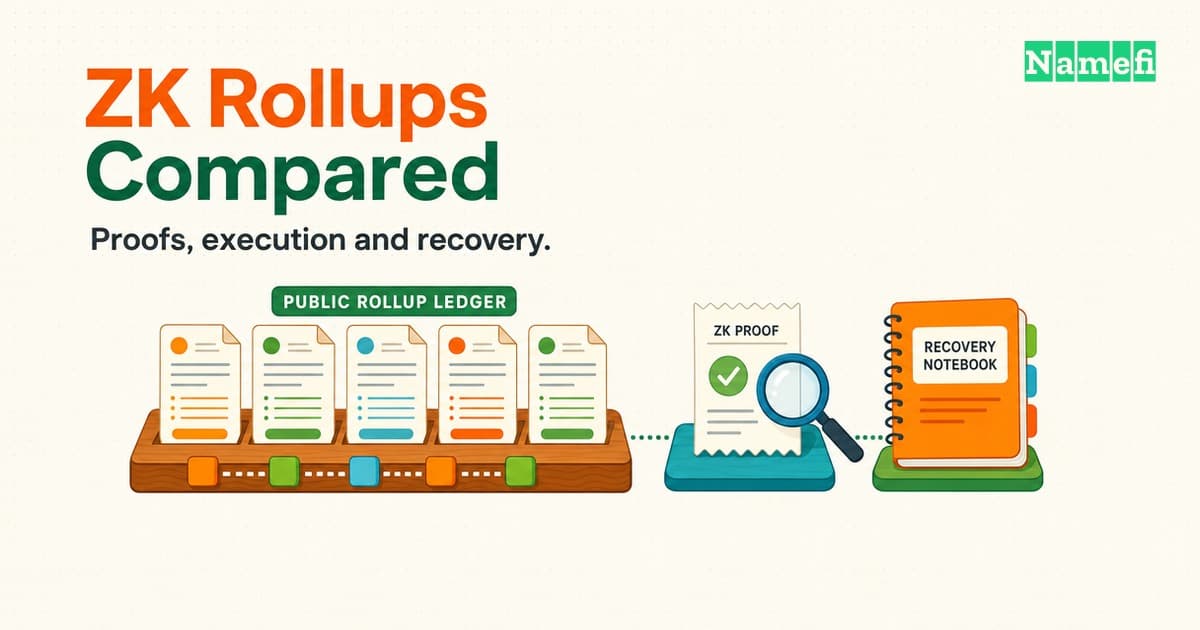
Top ZK Rollups Require Different Development and Recovery Choices
Compare ZKsync, Starknet, Scroll, and Linea by compatibility and recovery, and understand Polygon zkEVM's completed sunset.
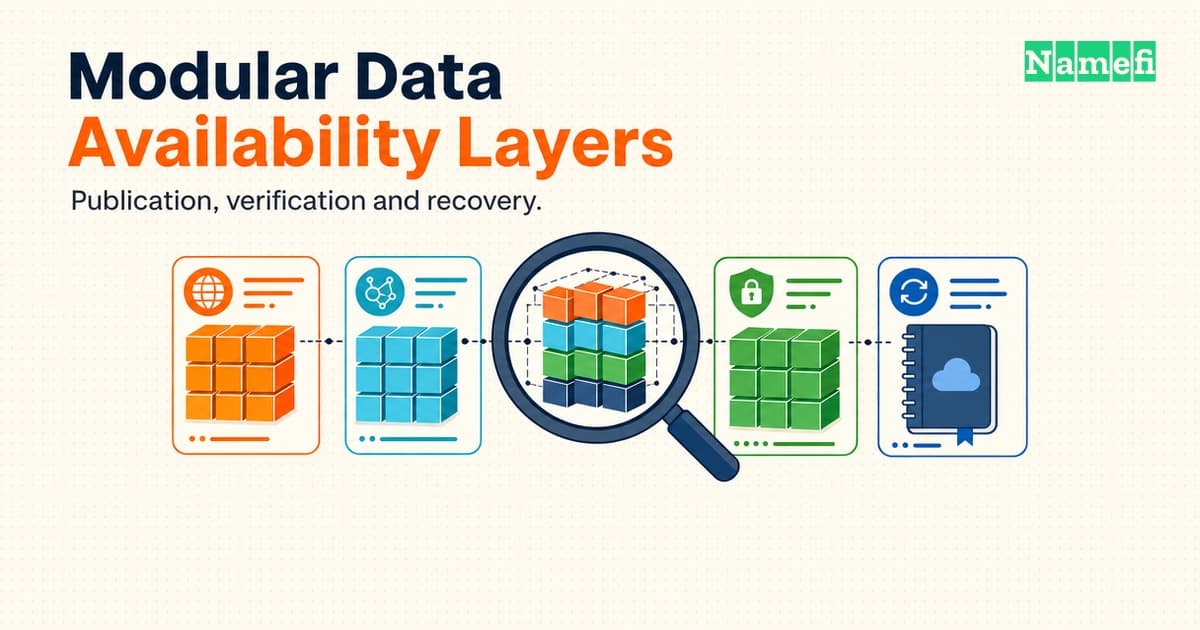
Top Modular Data Availability Layers: Celestia, EigenDA, Avail and NEAR DA
Compare Celestia, EigenDA, Avail and NEAR DA by verification path, operating assumptions, pricing structure and recovery requirements.
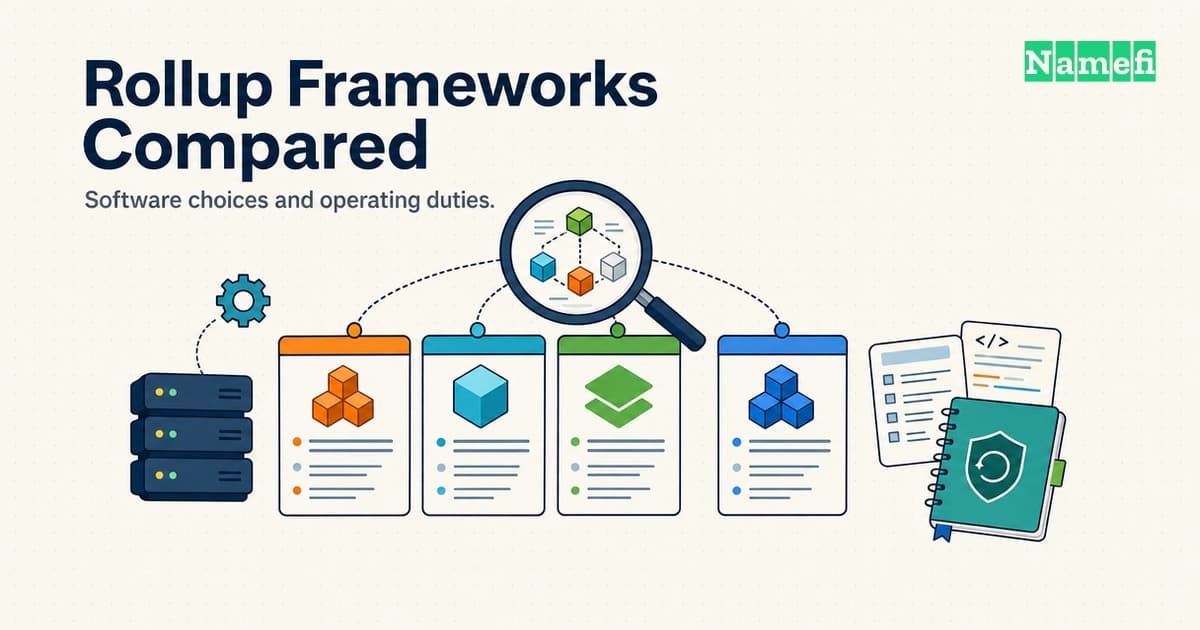
Top Rollup Frameworks: Compare OP Stack, Arbitrum Orbit, ZK Stack and Polygon CDK
Compare OP Stack, Arbitrum Orbit, ZK Stack, and Polygon CDK by deployment choices, data availability, proof systems, and operations.
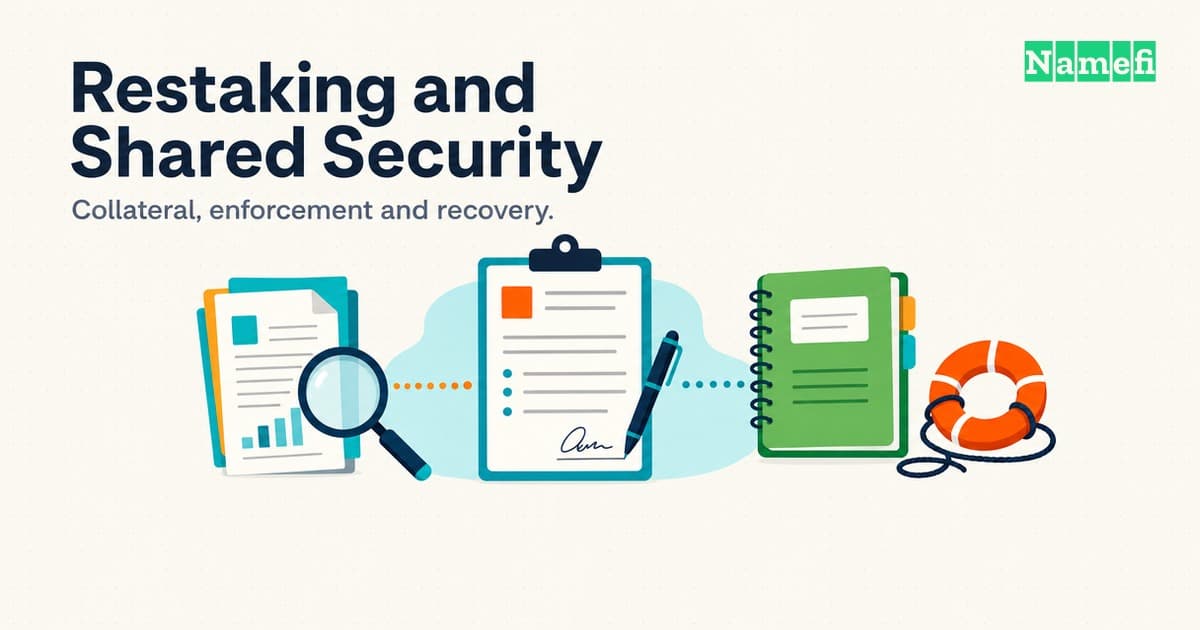
Top Restaking and Shared-Security Approaches Define Different Guarantees
Compare EigenLayer, Symbiotic, and legacy Karak designs through collateral, allocation, slashing authority, withdrawal timing, and recovery.
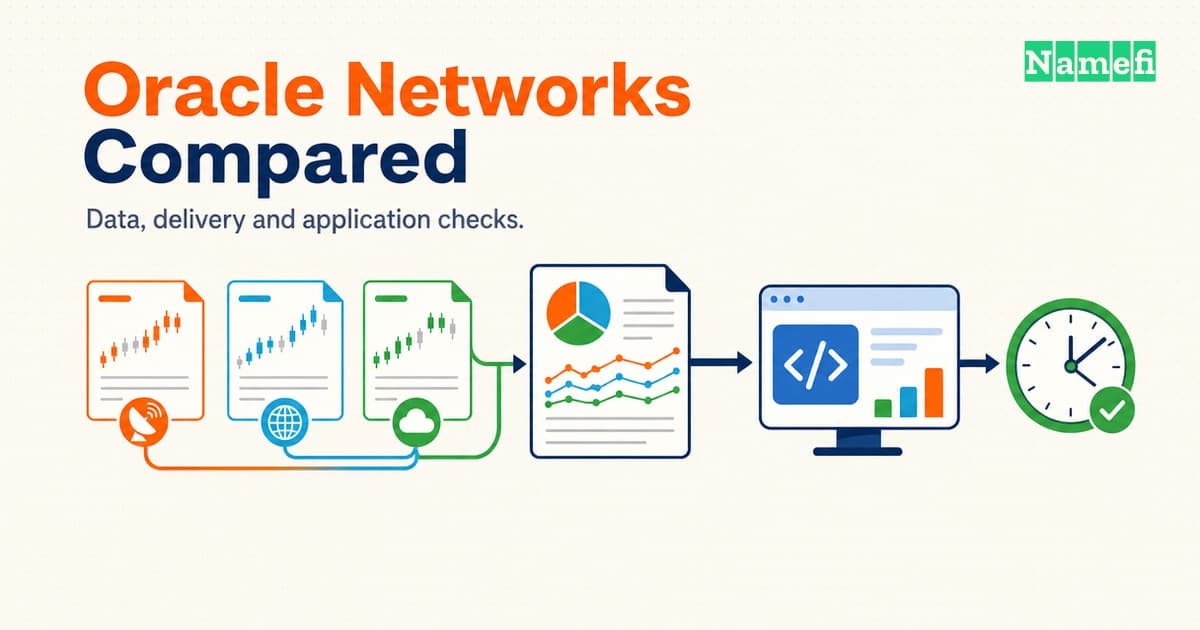
Top Oracle Networks Solve Different Data Problems: Chainlink, Pyth, RedStone and UMA
Compare Chainlink, Pyth, RedStone and UMA by data origin, delivery, freshness, confidence, disputes and application trust assumptions.
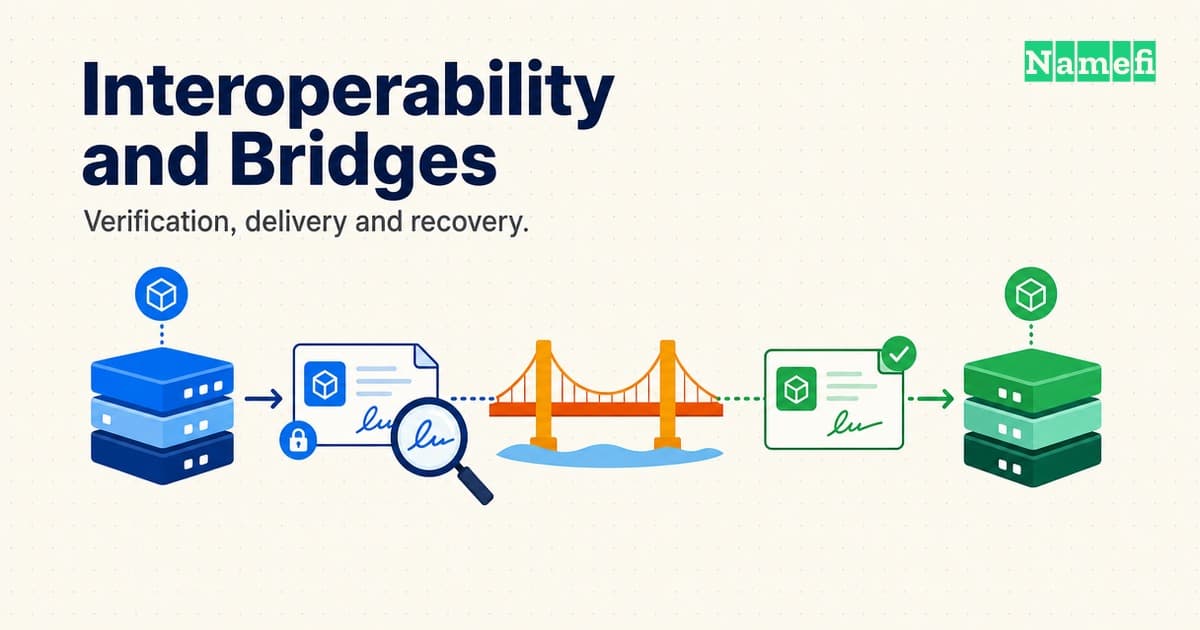
Top Interoperability Protocols Connect Chains Through Different Verification Models
Compare IBC, Chainlink CCIP, LayerZero and Wormhole by verification, token handling, configuration risk and recovery after failed delivery.
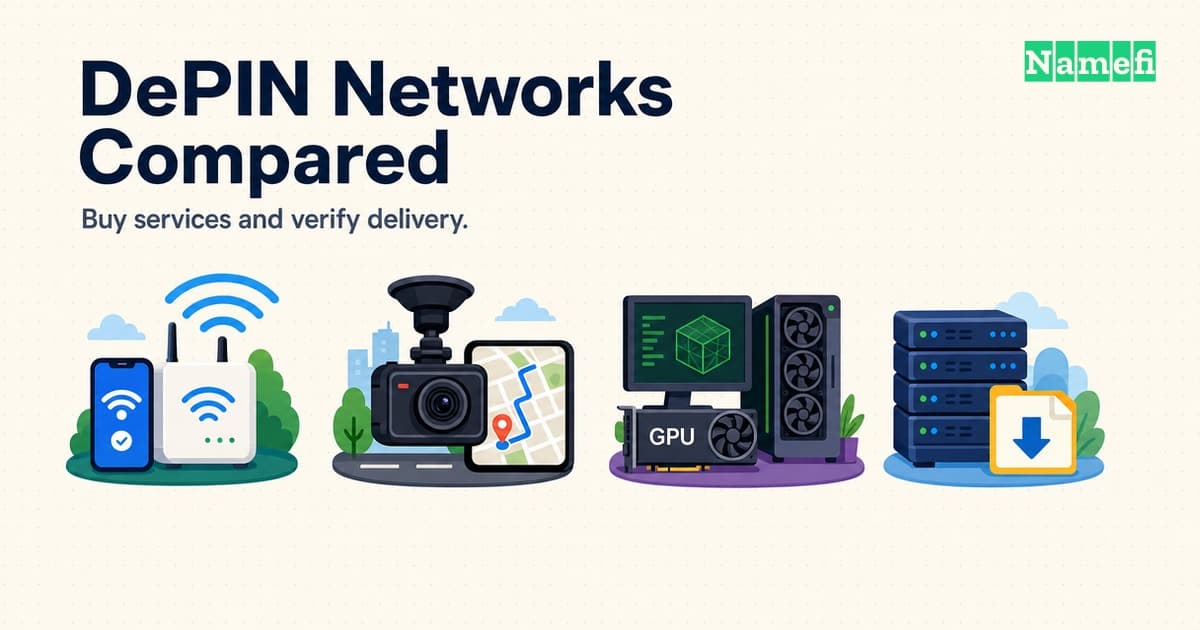
Top DePIN Networks Deliver Different Services: Helium, Hivemapper, Render and Filecoin
Compare Helium, Hivemapper, Render and Filecoin by service delivery, work verification, customer payments, provider rewards and buyer acceptance tests.
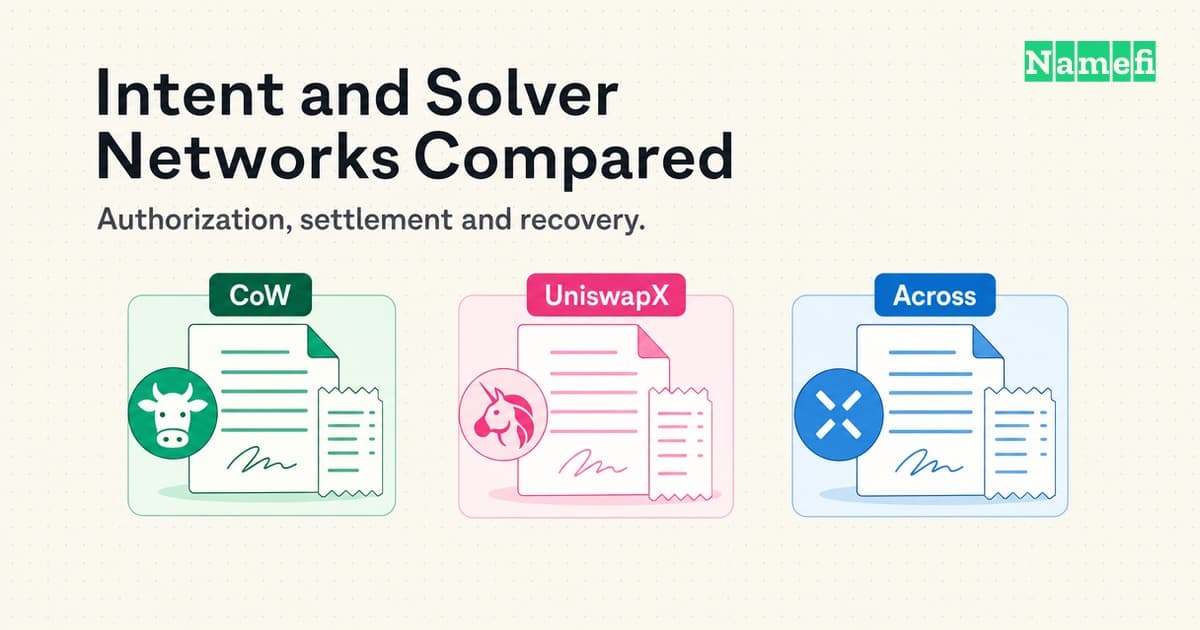
Top Intent and Solver Networks Use Different Settlement Rules
Compare CoW Protocol, UniswapX and Across through signed orders, solver competition, settlement checks and practical recovery steps.