Blockchain Concepts
Plain-language roundups of the core technologies behind blockchains — privacy, virtual machines, consensus, cryptography, and scaling.
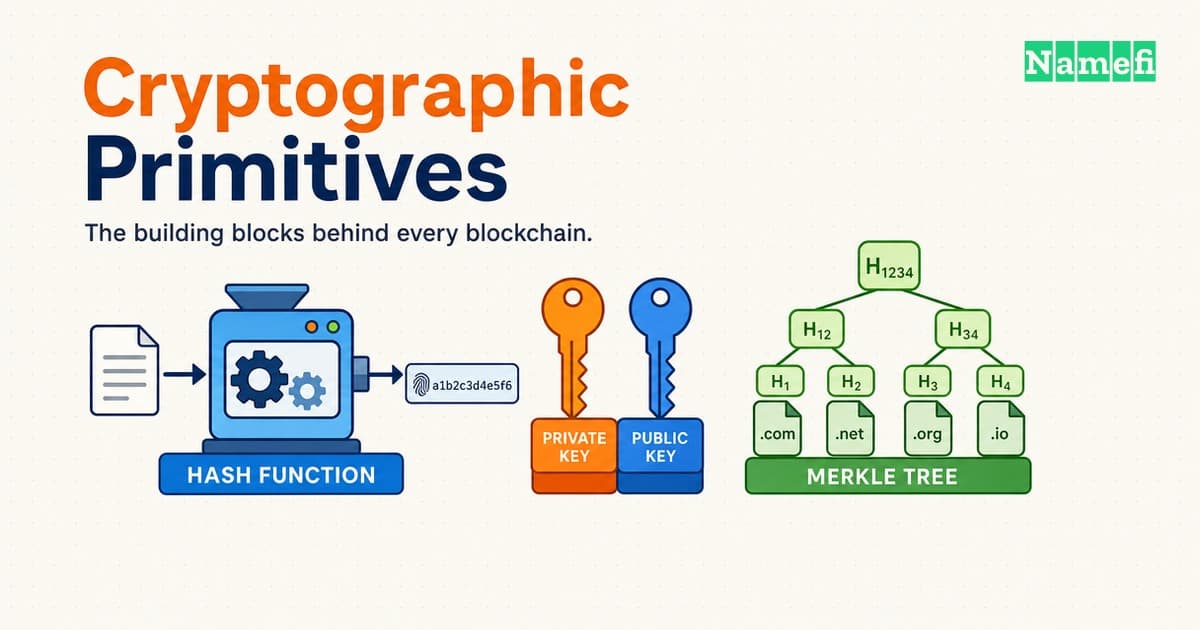
ஒவ்வொரு பிளாக்செயினுக்கும் அடித்தளமான முக்கிய கிரிப்டோகிராஃபிக் அடிப்படை கூறுகள்
பிளாக்செயின்களை இயங்க வைக்கும் முக்கிய கிரிப்டோகிராஃபிக் அடிப்படை கூறுகளுக்கான வழிகாட்டி—hash செயல்பாடுகள், டிஜிட்டல் கையொப்பங்கள், Merkle மரங்கள், நீள்வட்ட வளைவுக் கிரிப்டோகிராஃபி மற்றும் உறுதிப்பாட்டுத் திட்டங்கள்.
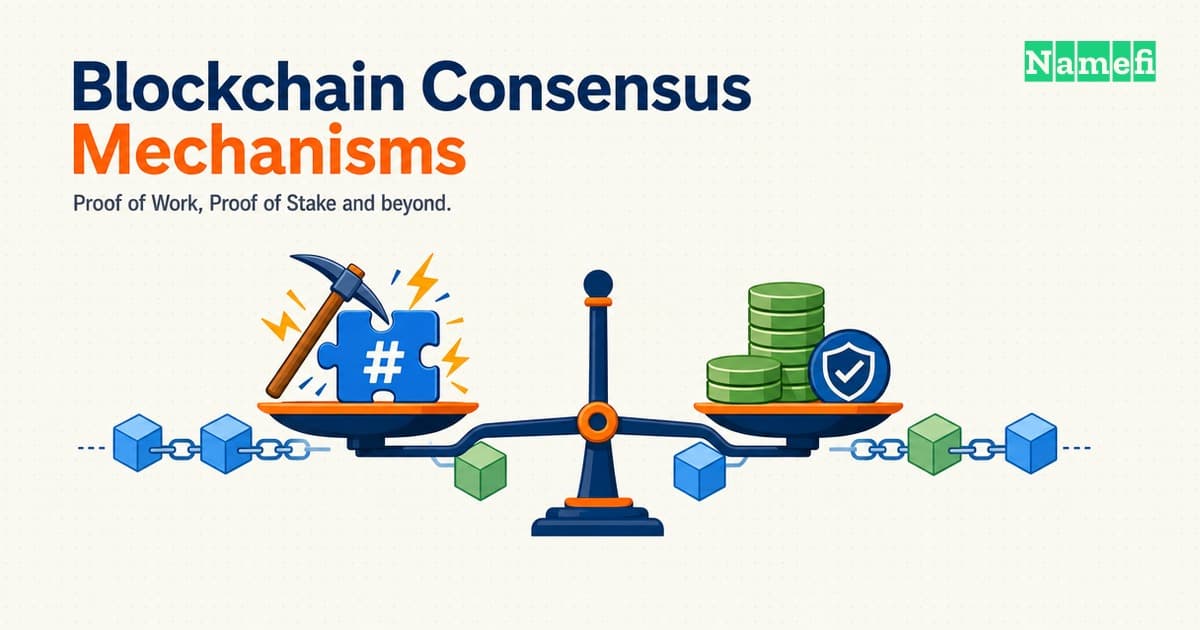
முக்கிய பிளாக்செயின் ஒருமித்த கருத்து வழிமுறைகள்: வேலை-நிரூபணம், பங்கு-நிரூபணம் மற்றும் அதற்கு அப்பால்
பிளாக்செயின் ஒருமித்த கருத்து வழிமுறைகளுக்கான தெளிவான வழிகாட்டி—வேலை-நிரூபணம், பங்கு-நிரூபணம், ஒப்படைக்கப்பட்ட பங்கு-நிரூபணம், BFT ஒருமித்த கருத்து மற்றும் ஒவ்வொன்றும் ஒரு வலையமைப்பை எவ்வாறு பாதுகாக்கிறது என்பதும்.
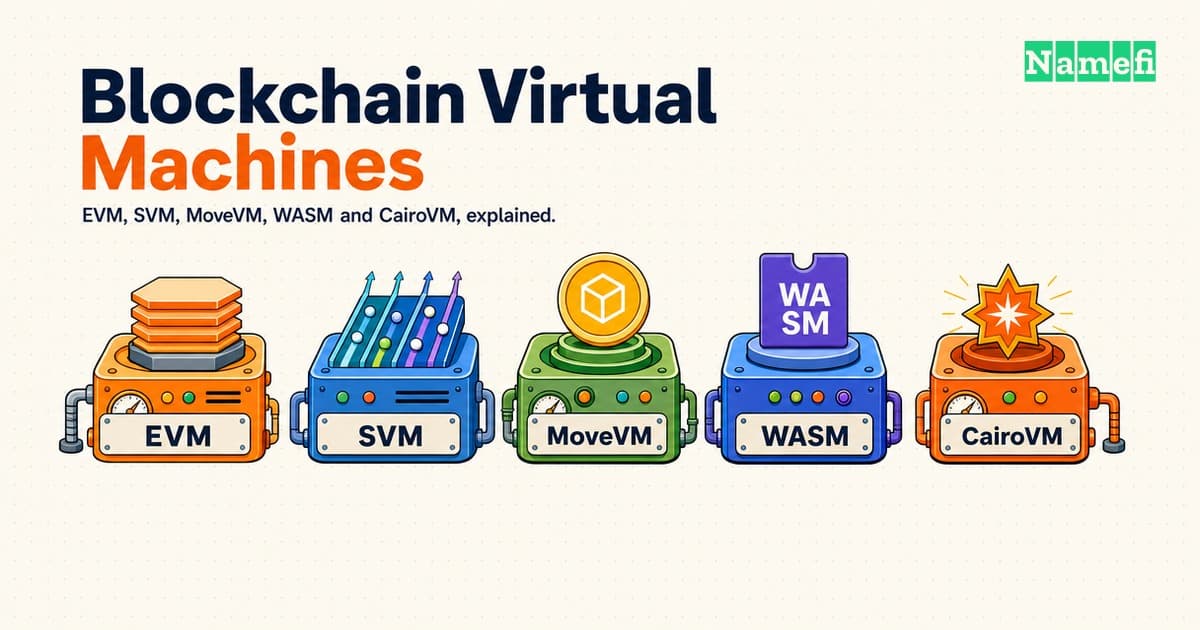
முக்கிய பிளாக்செயின் மெய்நிகர் இயந்திரங்கள்: EVM, SVM, MoveVM, WebAssembly/RISC-V மற்றும் CairoVM
EVM, SVM, MoveVM, WebAssembly மற்றும் RISC-V VM-கள், CairoVM ஆகிய முக்கிய பிளாக்செயின் மெய்நிகர் இயந்திரங்களின் மொழிகள், செயலாக்க மாதிரிகள், சூழலமைப்புகள் ஆகியவற்றை ஒப்பிடும் கையேடு.
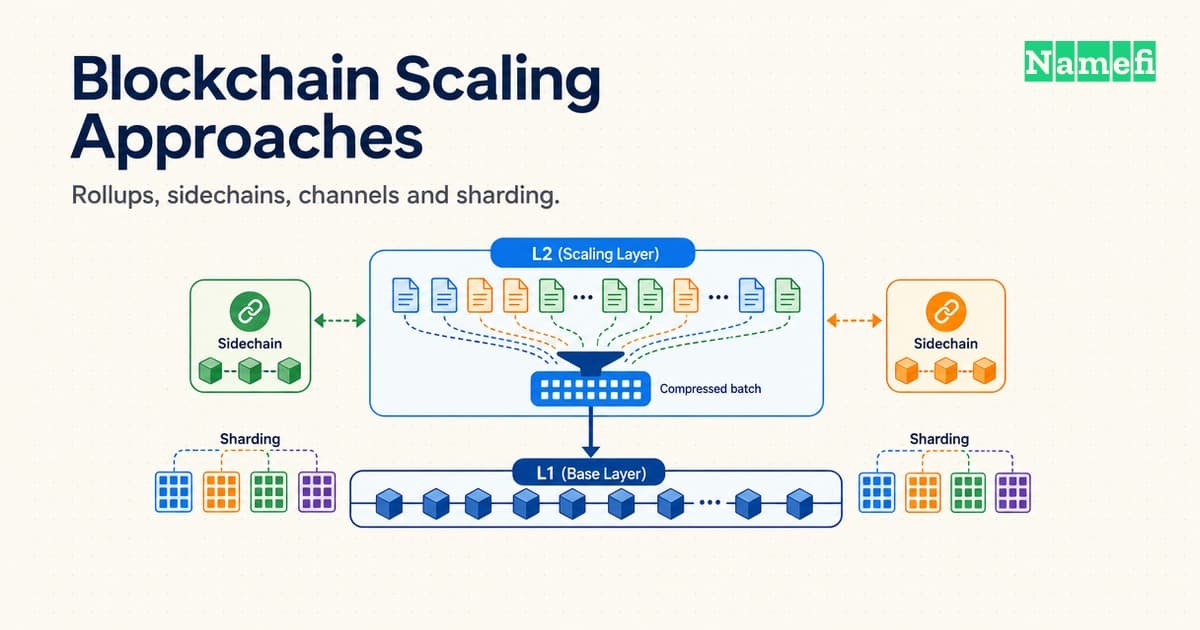
முக்கிய பிளாக்செயின் அளவிடுதல் அணுகுமுறைகள்: Rollup-கள், Sidechain-கள், Channel-கள் மற்றும் Sharding
பிளாக்செயின் அளவிடுதல் பற்றிய தொடக்கநிலைக் கையேடு — optimistic rollup-கள், ZK rollup-கள், sidechain-கள், payment channel-கள், sharding மற்றும் தரவுக் கிடைப்புநிலை அடுக்குகளின் ஒப்பீடு.
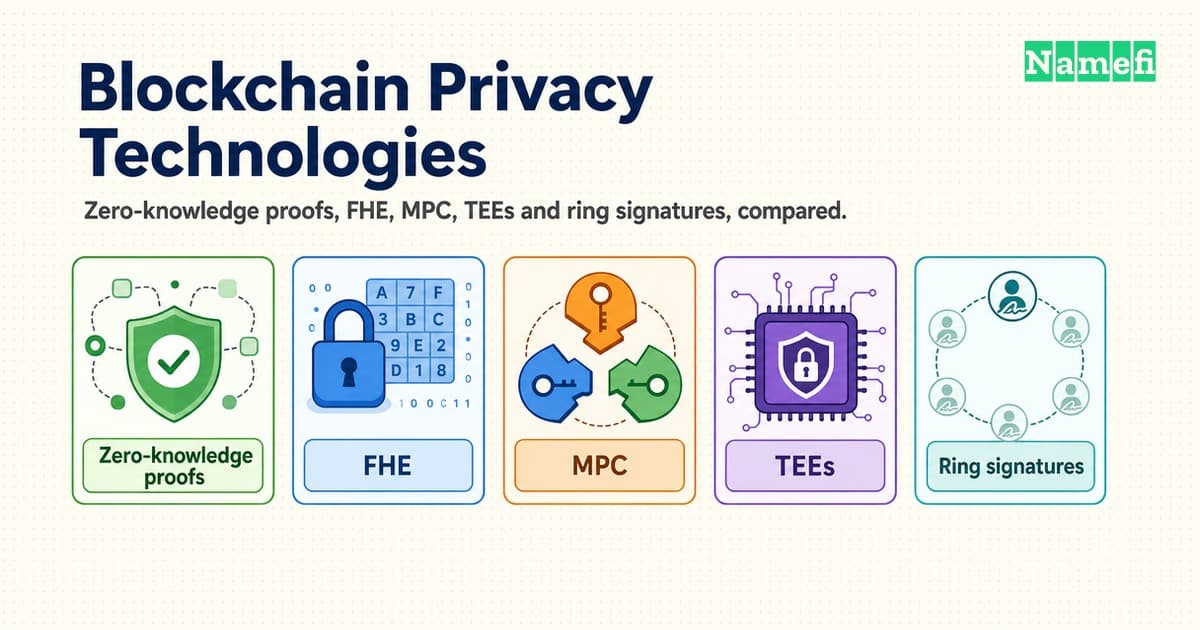
முக்கிய பிளாக்செயின் தனியுரிமைத் தொழில்நுட்பங்கள்: பூஜ்ஜிய-அறிவுச் சான்றுகள், FHE, MPC, TEE-கள் மற்றும் வளையக் கையொப்பங்கள்
முன்னணி ஐந்து பிளாக்செயின் தனியுரிமைத் தொழில்நுட்பங்களான பூஜ்ஜிய-அறிவுச் சான்றுகள், FHE, MPC, TEE-கள், வளையக் கையொப்பங்கள் ஆகியவற்றை அருகருகே ஒப்பிடும் எளிய மொழி வழிகாட்டி.
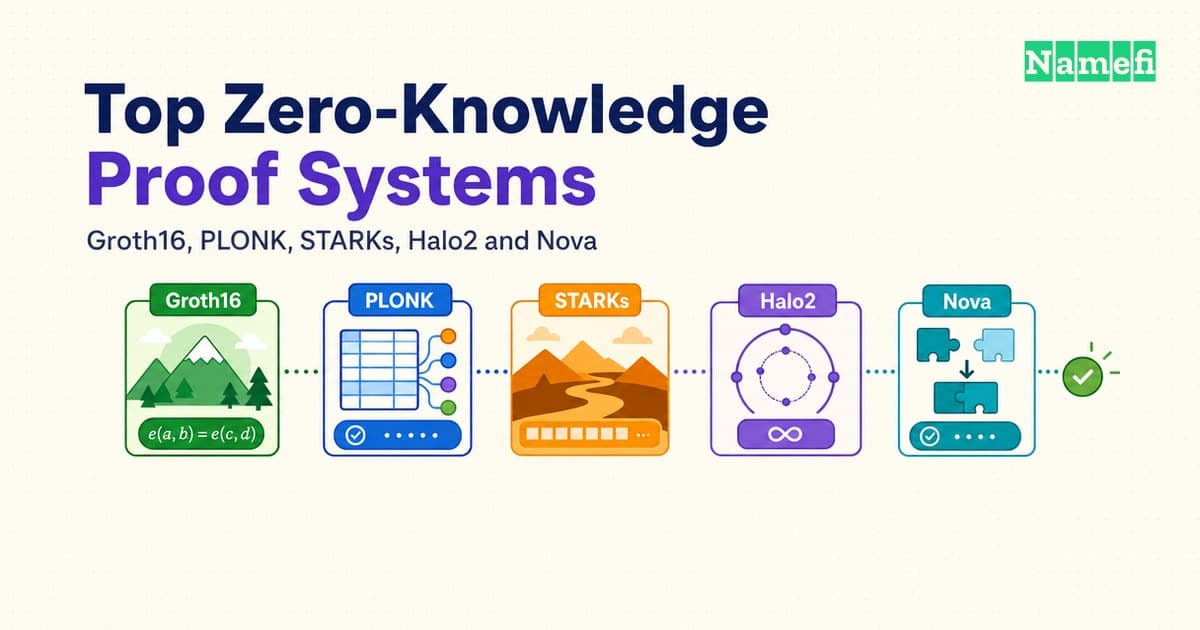
Top Zero-Knowledge Proof Systems: Groth16, PLONK, STARKs, Halo2 and Nova
A practical comparison of Groth16, PLONK, STARKs, Halo2, and Nova across proof size, proving speed, setup, verification, and EVM fit.
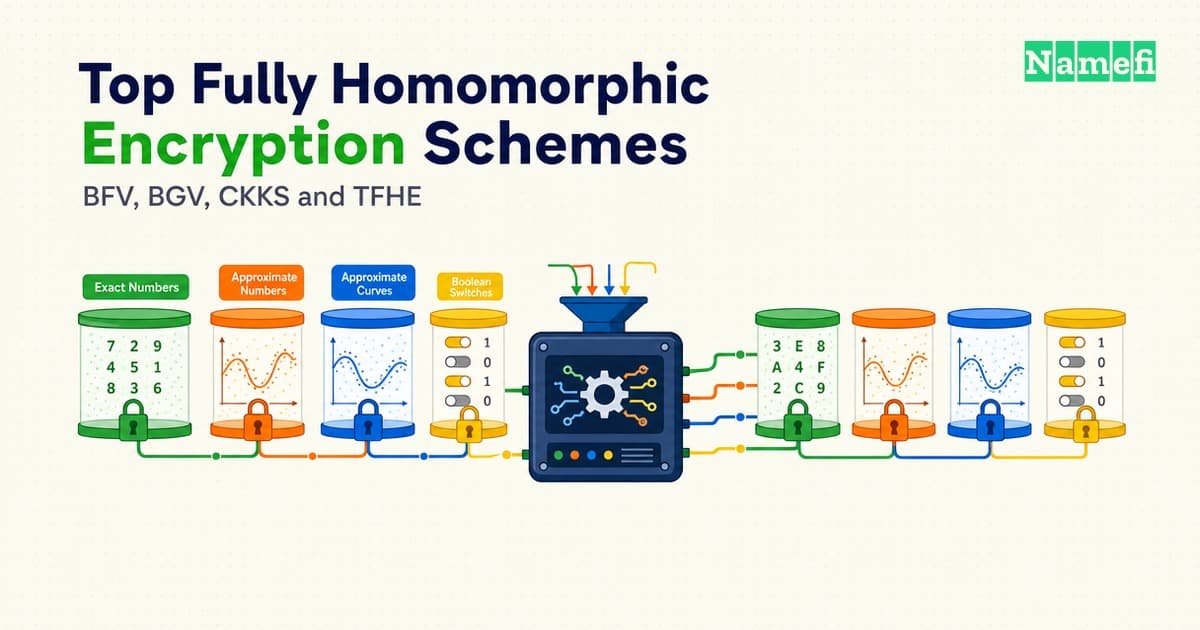
Top Fully Homomorphic Encryption Schemes: BFV, BGV, CKKS and TFHE
A practical comparison of BFV, BGV, CKKS, and TFHE by data type, bootstrapping cost, workload fit, maturity, and available libraries.
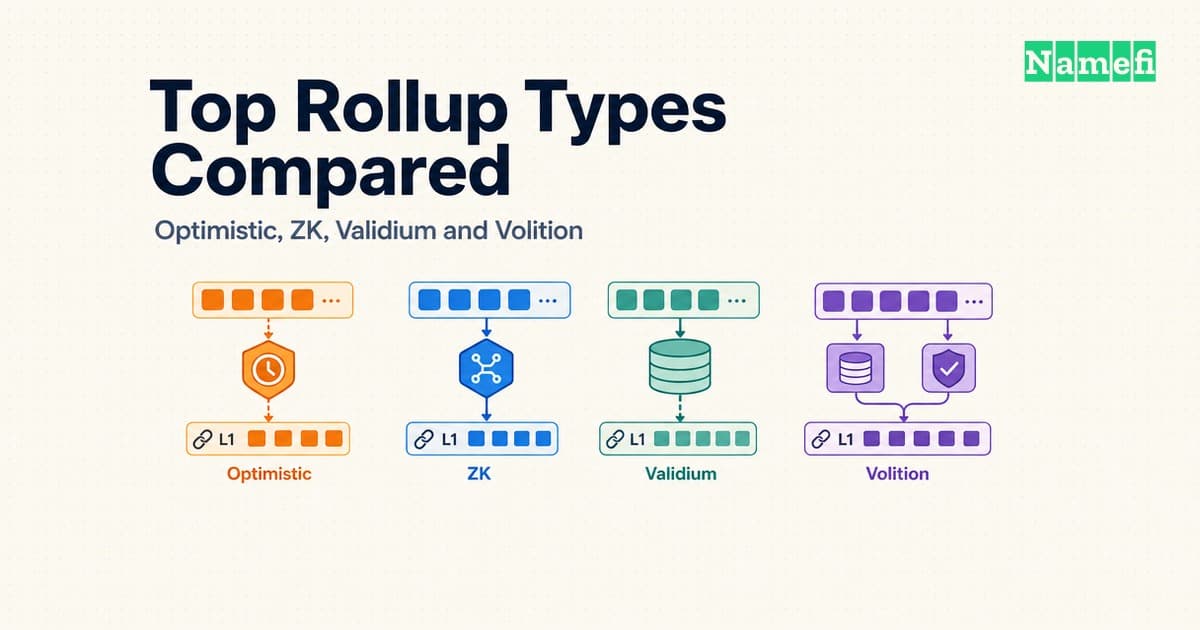
Top Rollup Types: Optimistic, ZK, Validium and Volition Compared
Compare optimistic rollups, ZK rollups, validiums, and volitions by data availability, security inheritance, withdrawal delay, cost, and networks.
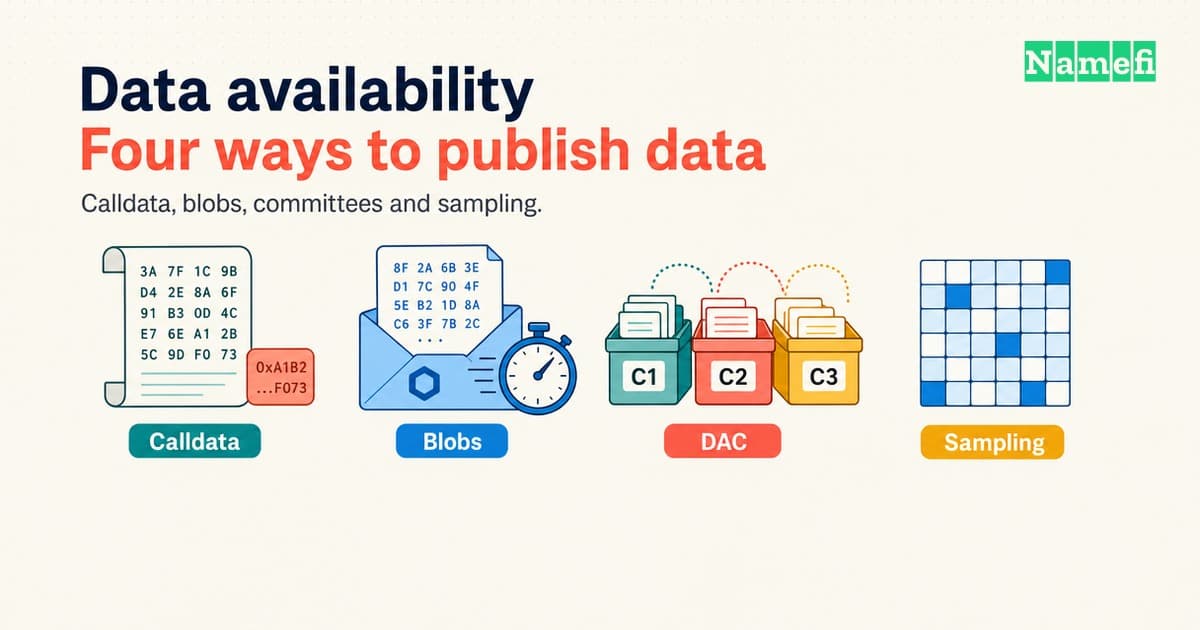
Top Blockchain Data-Availability Approaches: Calldata, Blobs, Committees and Sampling
Compare Ethereum calldata and blobs, data-availability committees, and sampling-based networks by recovery guarantee, cost, and trust assumptions.
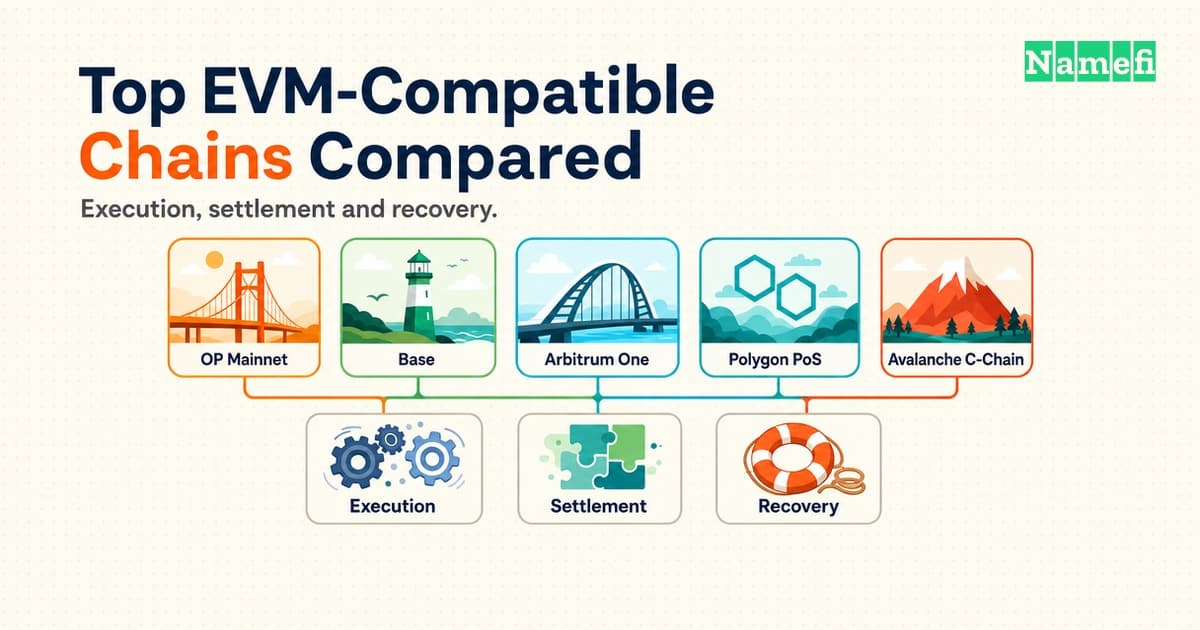
Top EVM-Compatible Chains: OP Mainnet, Base, Arbitrum One, Polygon PoS and Avalanche C-Chain
Compare OP Mainnet, Base, Arbitrum One, Polygon PoS, and Avalanche C-Chain by portability, proofs, validator trust, and recovery requirements.
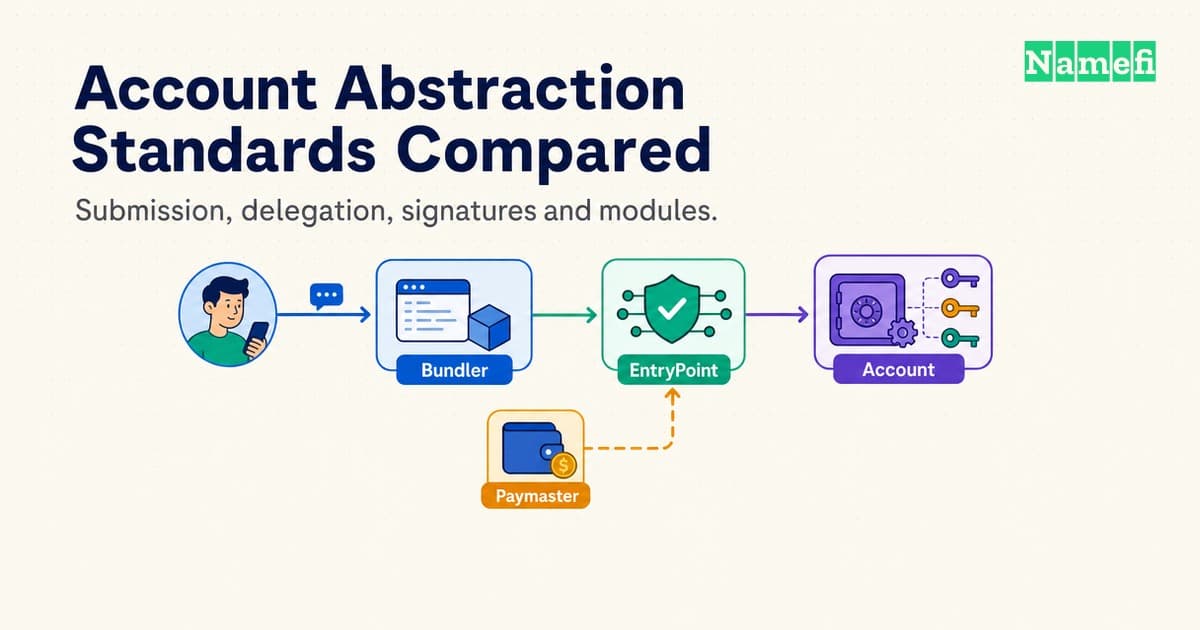
Top Account-Abstraction Standards: ERC-4337, EIP-7702, ERC-1271 and ERC-7579
Compare four account-abstraction standards by transaction flow, delegation, signature policy, module privileges, and integration risks.
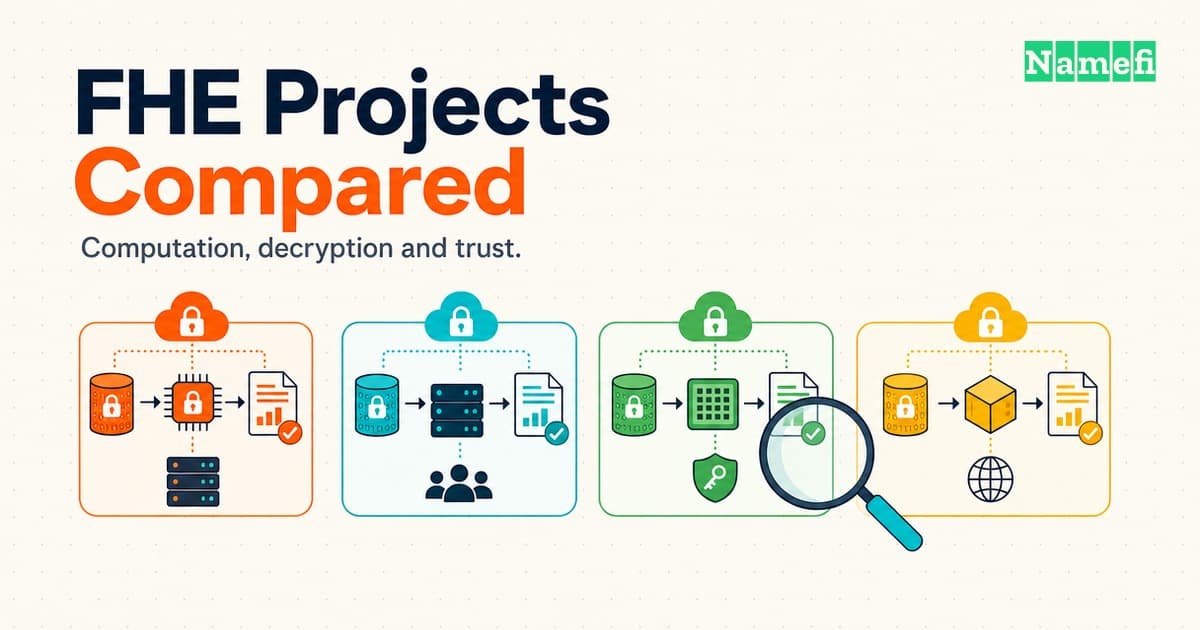
Top FHE Projects: Zama, Fhenix, Inco, and Sunscreen Compared
Compare Zama, Fhenix, Inco, and Sunscreen by encrypted execution, integration, decryption trust, and documented deployment status.
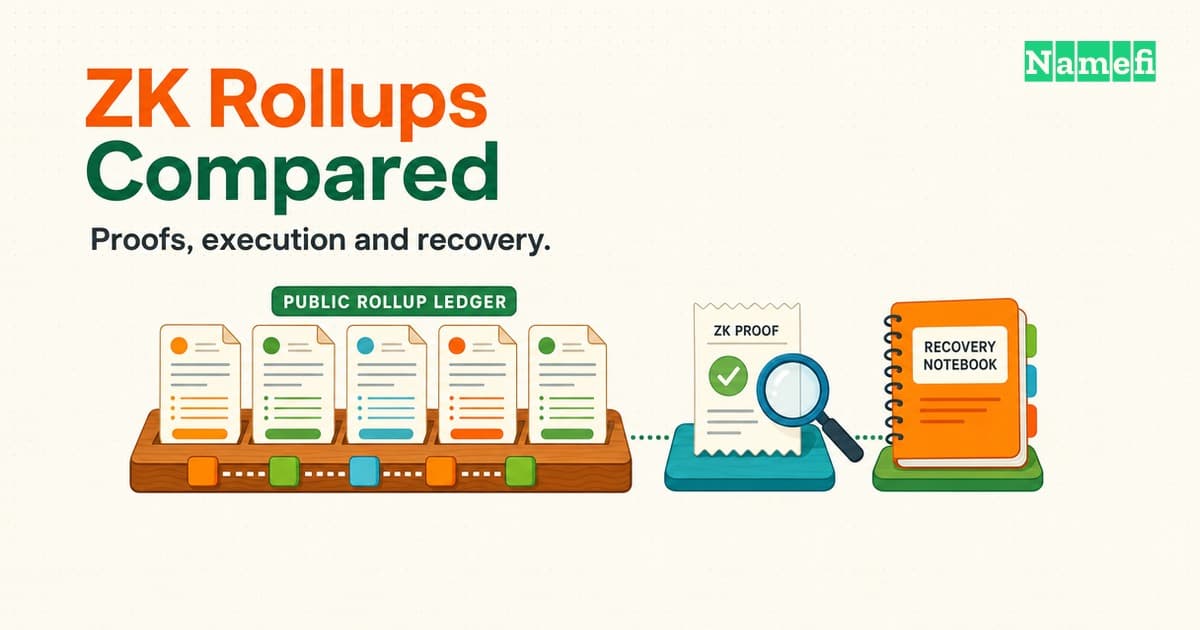
Top ZK Rollups Require Different Development and Recovery Choices
Compare ZKsync, Starknet, Scroll, and Linea by compatibility and recovery, and understand Polygon zkEVM's completed sunset.
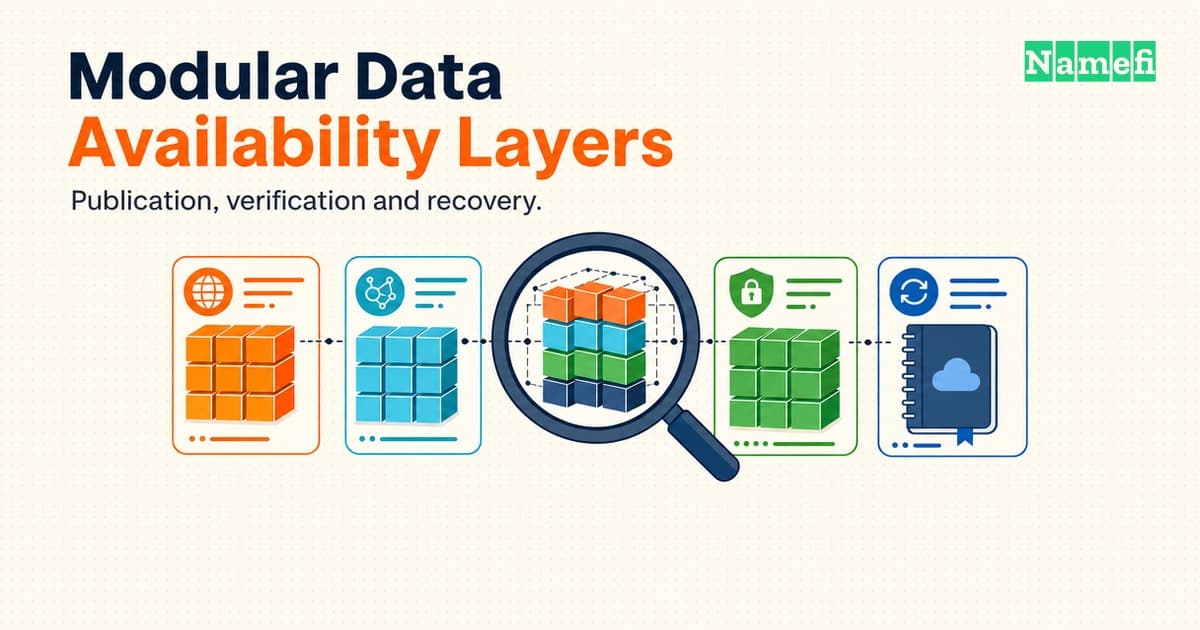
Top Modular Data Availability Layers: Celestia, EigenDA, Avail and NEAR DA
Compare Celestia, EigenDA, Avail and NEAR DA by verification path, operating assumptions, pricing structure and recovery requirements.
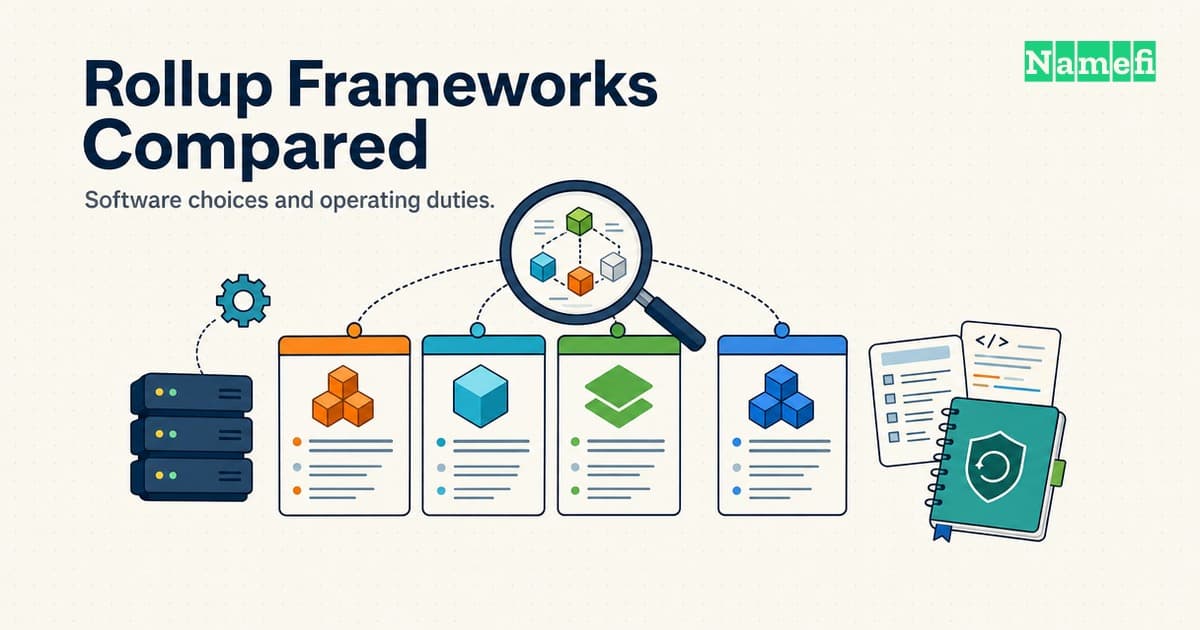
Top Rollup Frameworks: Compare OP Stack, Arbitrum Orbit, ZK Stack and Polygon CDK
Compare OP Stack, Arbitrum Orbit, ZK Stack, and Polygon CDK by deployment choices, data availability, proof systems, and operations.

Top Restaking and Shared-Security Approaches Define Different Guarantees
Compare EigenLayer, Symbiotic, and legacy Karak designs through collateral, allocation, slashing authority, withdrawal timing, and recovery.
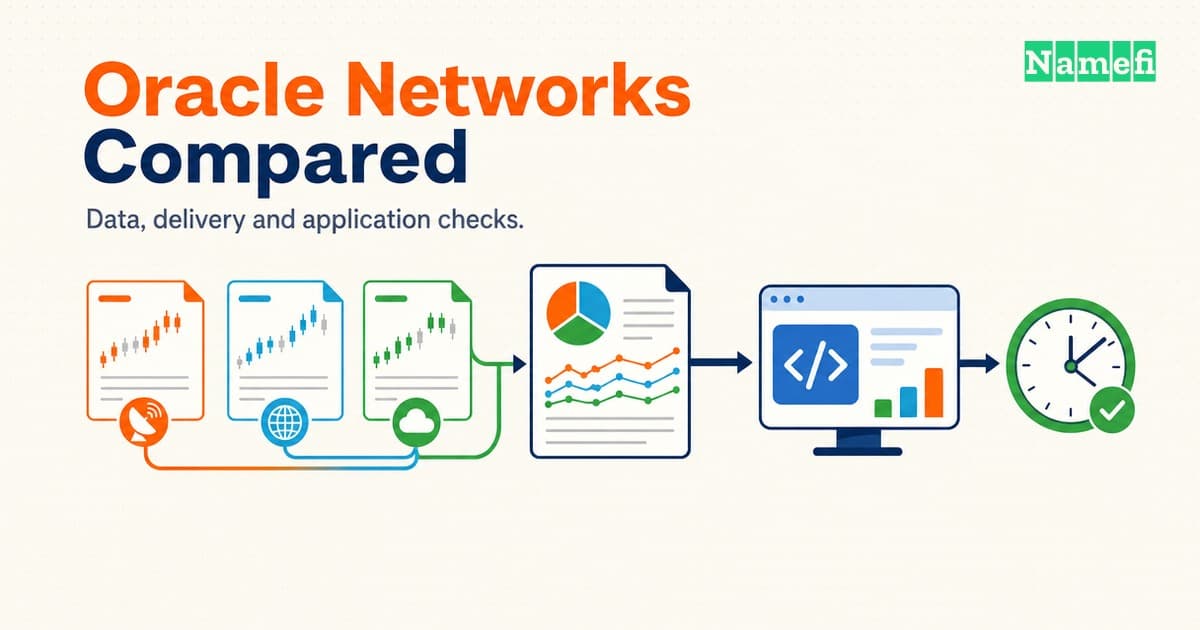
Top Oracle Networks Solve Different Data Problems: Chainlink, Pyth, RedStone and UMA
Compare Chainlink, Pyth, RedStone and UMA by data origin, delivery, freshness, confidence, disputes and application trust assumptions.
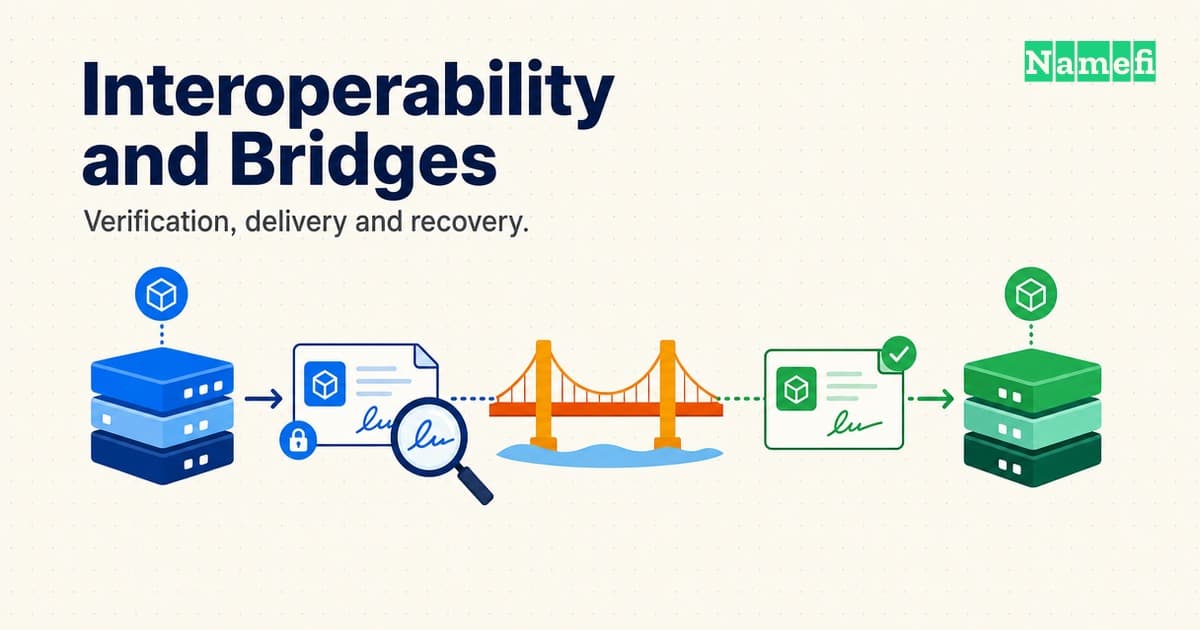
Top Interoperability Protocols Connect Chains Through Different Verification Models
Compare IBC, Chainlink CCIP, LayerZero and Wormhole by verification, token handling, configuration risk and recovery after failed delivery.
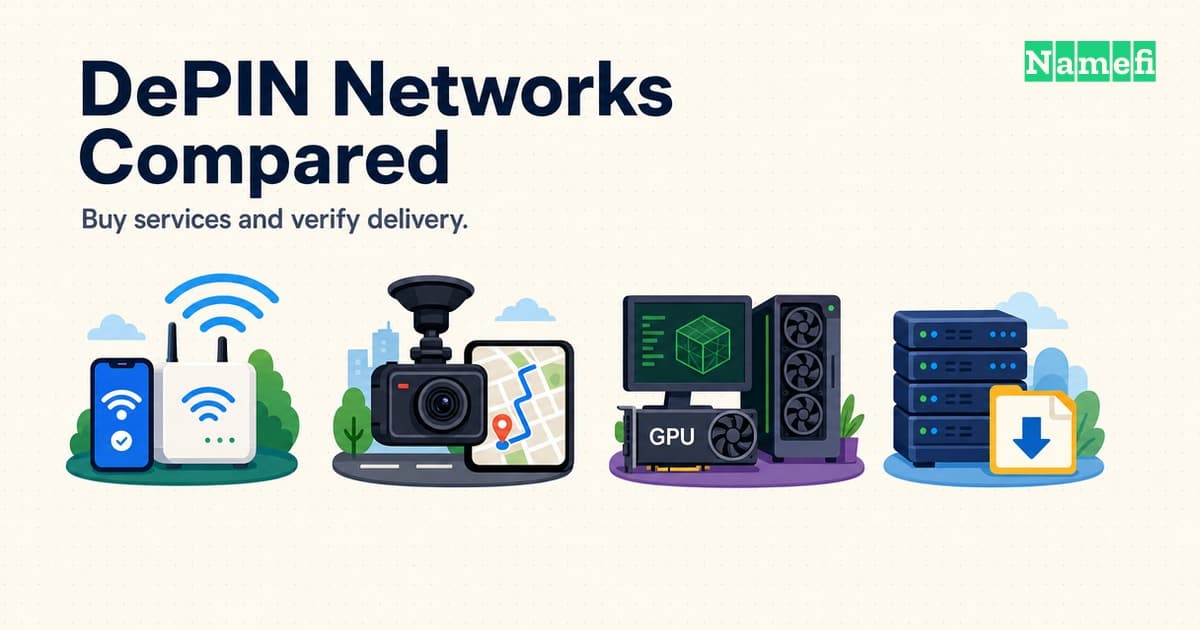
Top DePIN Networks Deliver Different Services: Helium, Hivemapper, Render and Filecoin
Compare Helium, Hivemapper, Render and Filecoin by service delivery, work verification, customer payments, provider rewards and buyer acceptance tests.
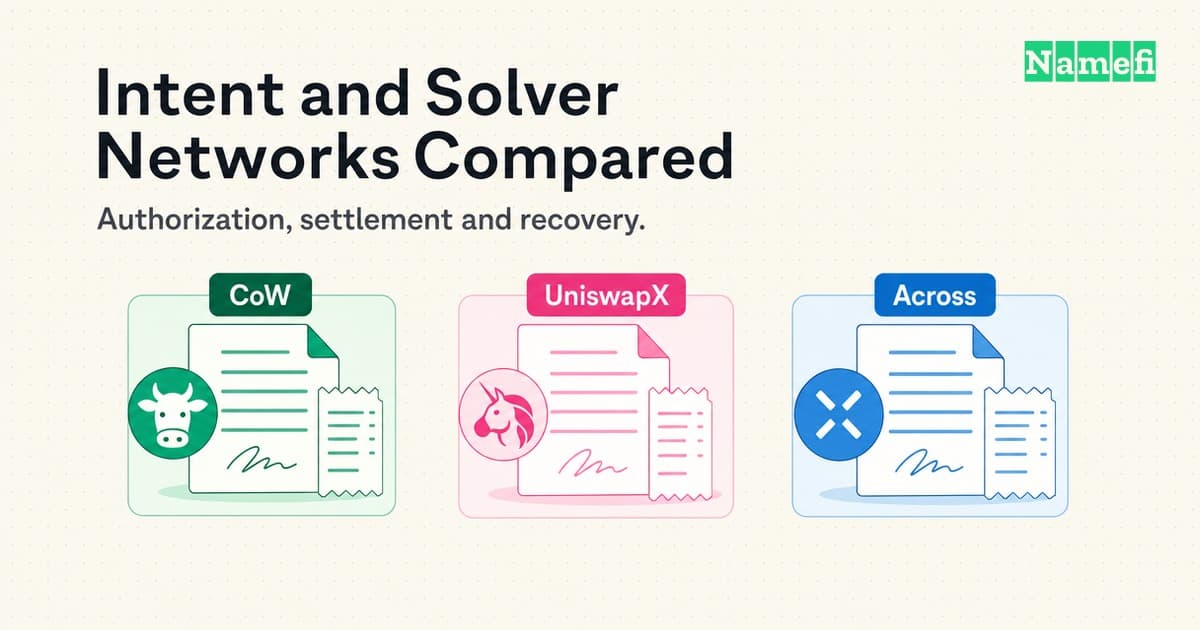
Top Intent and Solver Networks Use Different Settlement Rules
Compare CoW Protocol, UniswapX and Across through signed orders, solver competition, settlement checks and practical recovery steps.