
Domain Tokenization
What tokenized domains are, why and how to tokenize, and how on-chain ownership works in practice.
- Traditional domain
- Tokenize
- On-chain NFT
- Trade & control

டோக்கனைஸ் செய்யப்பட்ட டொமைன்கள் என்றால் என்ன? டொமைன் டோக்கனைசேஷன் விளக்கம்
டோக்கனைஸ் செய்யப்பட்ட டொமைன்கள் என்னவென்று எளிமையான மொழியில் விளக்கப்பட்டுள்ளது. ஒரு டோக்கனைஸ் டொமைன் என்றால் என்ன, ஒரு டொமைனை எப்படி டோக்கனைஸ் செய்வது, டொமைன் டோக்கனைசேஷன் எப்படி செயல்படுகிறது, மேலும் டோக்கனைஸ் செய்யப்பட்ட டொமைன் உரிமை பாரம்பரிய டொமைன்களிலிருந்தும் ENS போன்ற Web3 பெயர்களிலிருந்தும் எவ்வாறு வேறுபடுகிறது என்பதை இங்கே அறியலாம்.
இங்கே தொடங்குங்கள்faq
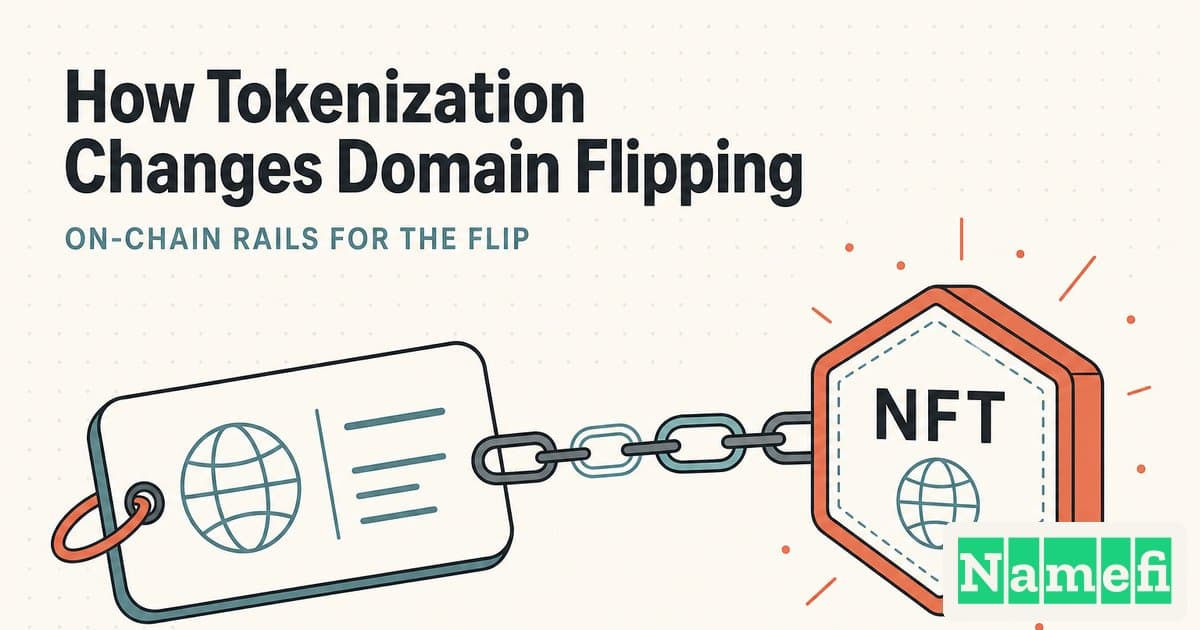
டோக்கனைசேஷன் டொமைன் மறுவிற்பனையை எவ்வாறு மாற்றுகிறது
ரெஜிஸ்ட்ரார் சார்புகளை நீக்காமலேயே, ஒரு டொமைனை ஆன்-செயினுக்குக் கொண்டுவருவது சரிபார்க்கக்கூடிய டோக்கன் கட்டுப்பாடு, இணக்கமான சந்தைத்தளங்கள் மற்றும் நிரலாக்கக்கூடிய பரிவர்த்தனைத் தீர்வு மூலம் மறுவிற்பனையை எவ்வாறு மாற்றியமைக்க முடியும்.
domainsdomain-flippingweb3explainer

உங்கள் .com-ஐ டோக்கனைஸ் செய்து மறுவிற்பனை செய்வது: Namefi நடைமுறை வழிகாட்டி
Namefi நடைமுறை வழிகாட்டி: .com-க்கு ஆன்-செயின் டோக்கன் கட்டுப்பாட்டு அடுக்கைச் சேர்த்து, வழக்கமான DNS செயல்பாட்டைத் தொடரச் செய்து, டோக்கனைச் சட்டபூர்வ உரிமைப் பத்திரமாகக் கருதாமல் கட்டணமும் டோக்கனும் அணுமுறையில் பரிவர்த்தனைத் தீர்வு காணும் முறையைப் பயன்படுத்துவது எப்படி.
domainsdomain-flippingweb3guide

Namefi vs Doma/D3 vs 3DNS vs GBM: டொமைன் டோக்கனைசேஷன் தளத்தைத் தேர்ந்தெடுப்பது
முக்கிய டொமைன் டோக்கனைசேஷன் தளங்களின் நேர்மையான, நேரடி ஒப்பீடு — ஒவ்வொன்றும் உண்மையில் எதில் சிறந்தது, அவை எங்கு ஒன்றுடன் ஒன்று ஒத்துப்போகின்றன, எங்கு வேறுபடுகின்றன, உங்கள் டொமைன்களைப் பயன்படுத்தும் நோக்கத்துக்கு ஏற்ற தளத்தை எப்படித் தேர்ந்தெடுப்பது என்பதைக் காணலாம்.
comparison
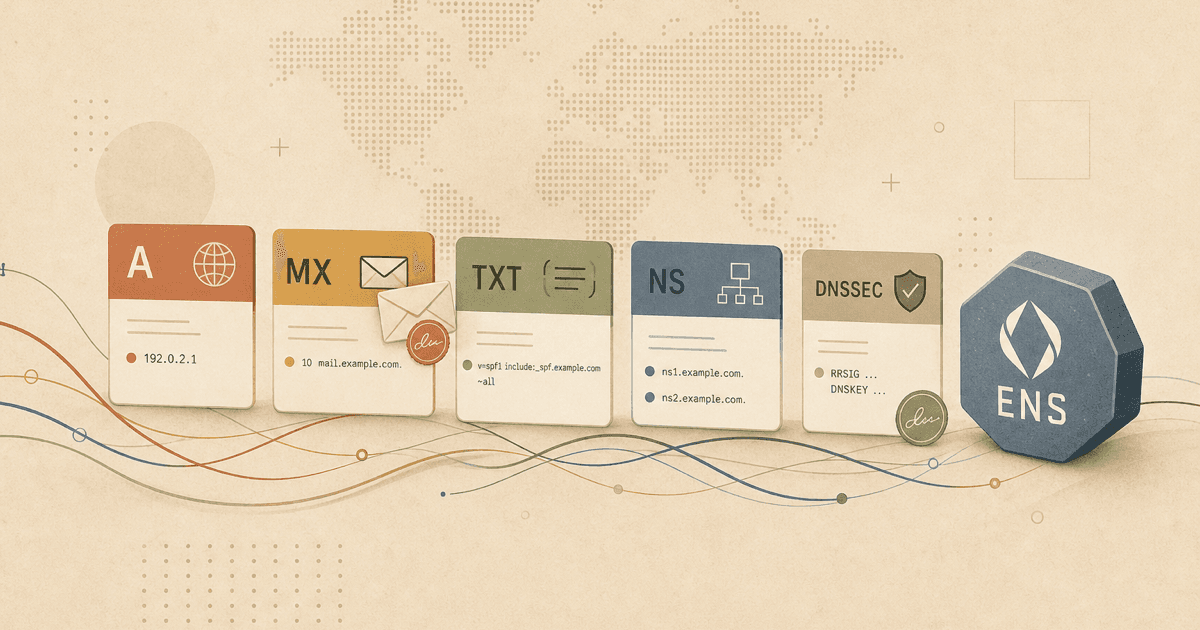
DNS தொடர்ந்து செயல்படும்: டோக்கனைஸ் செய்யப்பட்ட டொமைனின் பெயர் சேவையகங்கள், மின்னஞ்சல் மற்றும் DNSSEC
ஒரு ICANN டொமைனை டோக்கனைஸ் செய்த பிறகும் பெயர் சேவையகங்கள், A/AAAA, MX, TXT, DNSSEC, CAA உள்ளிட்ட வழக்கமான DNS எவ்வாறு தொடர்ந்து செயல்படுகிறது என்பதற்கான நடைமுறை விளக்கம். எது மாறுகிறது, எது மாறுவதில்லை, உங்கள் தற்போதைய DNS வழங்குநரை எங்கே சுட்டிக்காட்டுவது ஆகியவற்றை அறியுங்கள்.
guide
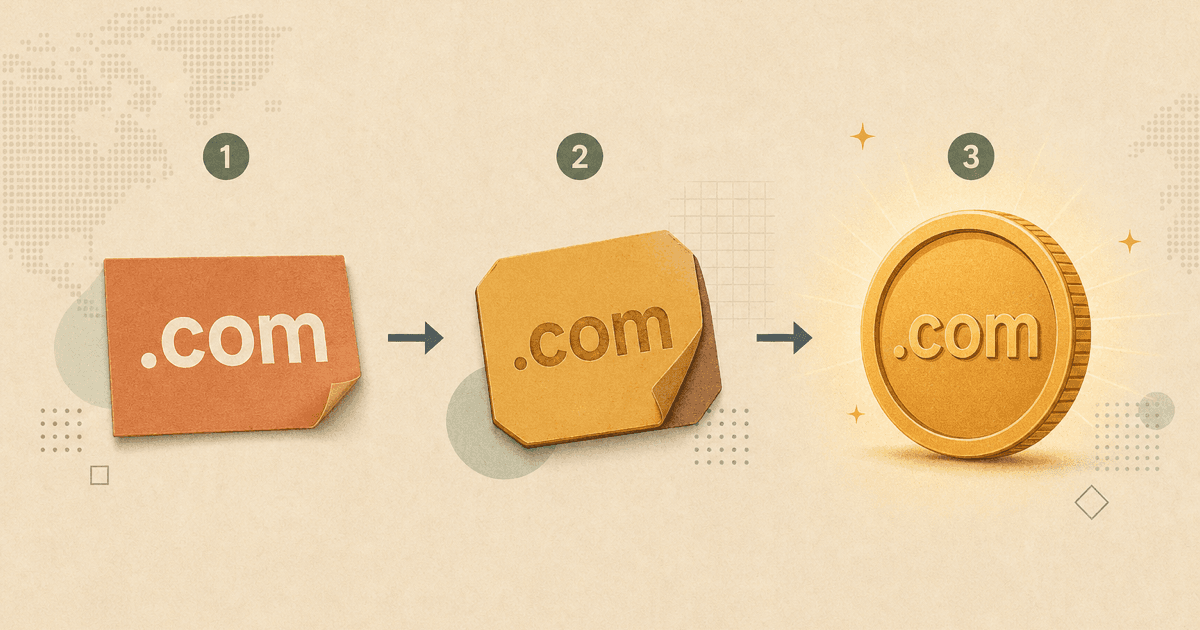
உங்கள் .com-ஐ டோக்கனைஸ் செய்வது எப்படி: படிப்படியான வழிகாட்டி (2026)
Namefi-யின் தற்போதைய இறக்குமதிச் செயல்முறைக்கான நடைமுறை வழிகாட்டி: EPP அனுமதிக் குறியீடு, வாங்குப்பெட்டி, செக்-அவுட், ரெஜிஸ்ட்ரார் பரிமாற்றம் மற்றும் தானியங்கி NFT உருவாக்கம்.
guide

பட்டியலிடுதல் முதல் பரிவர்த்தனைத் தீர்வு வரை: டோக்கனைஸ் செய்யப்பட்ட சந்தைத்தளங்கள் எஸ்க்ரோவை எவ்வாறு மாற்ற முடியும்
டோக்கனைஸ் செய்யப்பட்ட டொமைன் சந்தைத்தளங்கள் கட்டணத்தையும் NFT-யையும் அணு முறையில் பரிமாற முடியும்; அதே நேரத்தில் ரெஜிஸ்ட்ரார் சார்ந்த உரிமைக் கோரல் நடவடிக்கைகள், பதிவுப் புதுப்பிப்புகள், கட்டணங்கள் மற்றும் தளம் சார்ந்த அபாயங்கள் தொடரக்கூடும்.
guide
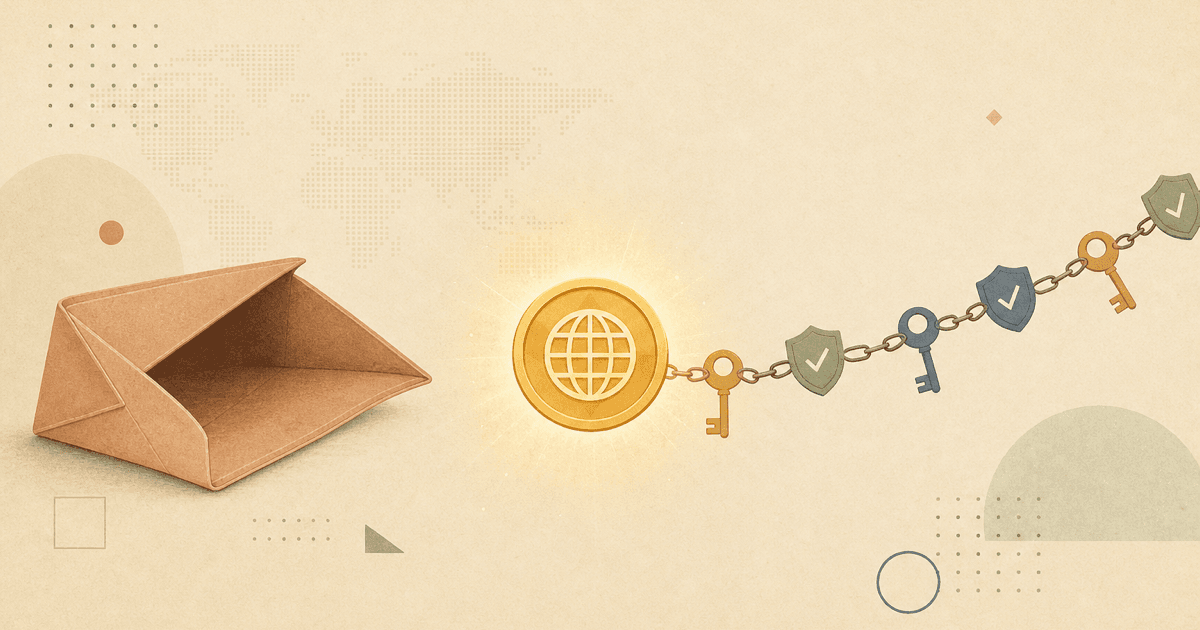
பணப்பையை இழந்த பிறகு டோக்கனைஸ் செய்யப்பட்ட டொமைனை மீட்பது: ஒரு உயிர்காப்பு வழிகாட்டி
உங்கள் டோக்கனைஸ் செய்யப்பட்ட டொமைனை வைத்திருக்கும் பணப்பைக்கான அணுகலை இழந்தால் உண்மையில் என்ன நடக்கும் என்பதையும், அத்தகைய நிலை ஏற்படும் வாய்ப்பை முன்கூட்டியே குறைப்பதற்கான நடைமுறை நடவடிக்கைகளையும் அறியுங்கள். காப்புப்பிரதிகள், பல-கையெழுத்து, வன்பொருள் பணப்பைகள், சமூக மீட்பு மற்றும் எந்தத் தளத்தாலும் செய்யக்கூடியவற்றின் வரம்புகள் ஆகியவை இதில் அடங்கும்.
guidesecurity

டோக்கனைஸ் செய்யப்பட்ட டொமைன்களுக்கான வரி மற்றும் கணக்கியல் கேள்விகள் (உங்கள் நிபுணருடன் விவாதிக்க வேண்டியவை)
டோக்கனைஸ் செய்யப்பட்ட டொமைன் உரிமையாளர்கள் பொதுவாகக் கேட்கும் வரி மற்றும் கணக்கியல் கேள்விகள் — செலவு அடிப்படை, விற்பனை, வைத்திருப்புக் காலம், வணிகம் அல்லது தனிப்பட்ட பயன்பாடு, பரிசளிப்பு, வாரிசுரிமை — பற்றிய ஆலோசனை அல்லாத, எளிய மொழியிலான கண்ணோட்டம். இந்தக் கேள்விகளை உண்மையான நிபுணரிடம் எடுத்துச் செல்லுங்கள்.
guide
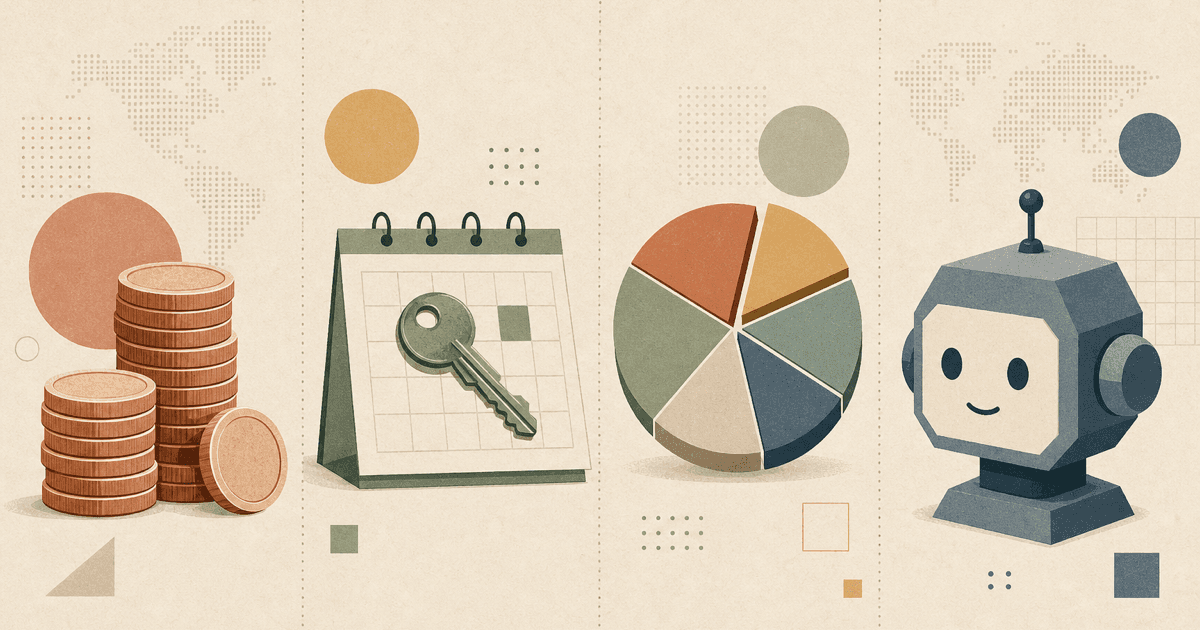
2026-ல் டோக்கனைஸ் செய்யப்பட்ட டொமைன்களின் பயன்பாடுகள்: கடன், குத்தகை, பகுதி உரிமை, AI முகவர்கள்
2026-ல் டோக்கனைஸ் செய்யப்பட்ட டொமைன்கள் உண்மையில் எதற்கெல்லாம் பயன்படுத்தப்படுகின்றன என்பதை எந்தத் தளத்தையும் சாராமல் விவரிக்கும் பார்வை — DeFi கடன், குத்தகை, பகுதி உரிமை, AI முகவர் அடையாளம் மற்றும் இன்னும் முழுமையாக நடைமுறைக்கு வராத பயன்பாடுகள்.
thesis
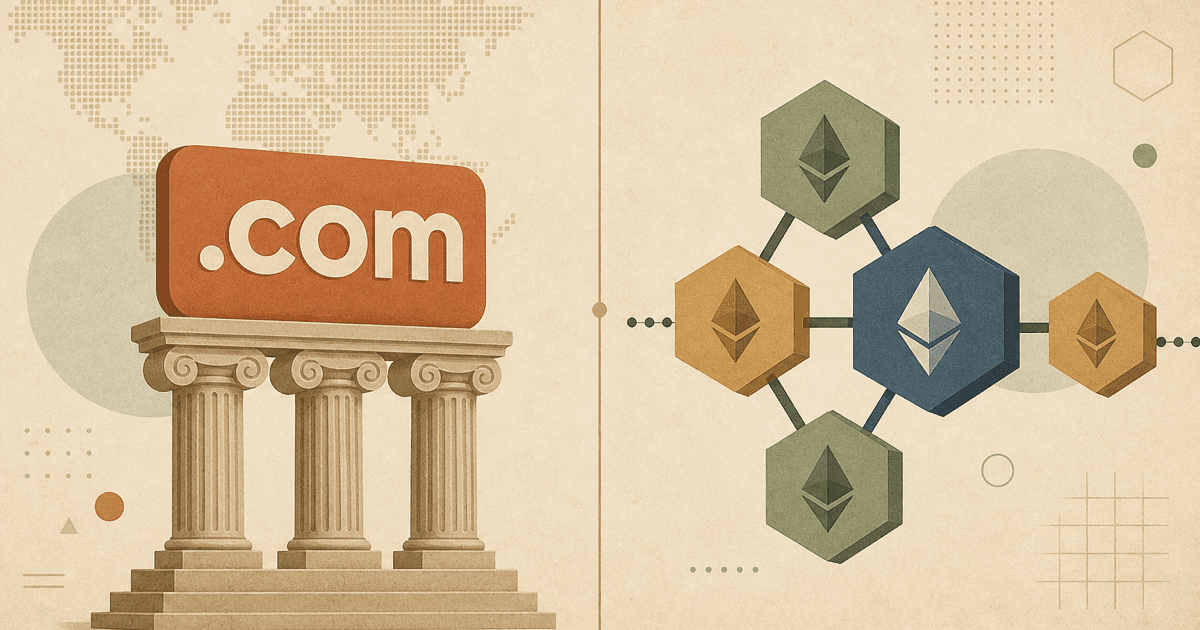
டோக்கனைஸ் செய்யப்பட்ட டொமைன் vs Web3 டொமைன் (ENS, .crypto): வேறுபாடு என்ன?
டோக்கனைஸ் செய்யப்பட்ட ICANN டொமைன்களுக்கும் (டோக்கனைஸ் செய்யப்பட்ட .com போன்றவை), Web3-இல் இயல்பாக உருவான பெயர்களுக்கும் (name.eth, name.crypto போன்றவை) இடையிலான தெளிவான, நடைமுறை ஒப்பீடு. ஒவ்வொன்றும் எப்போது வேலை செய்கிறது? அவை எங்கே ஒன்றையொன்று ஒத்திருக்கின்றன? ஏன் பலர் இரண்டையும் வைத்திருக்கிறார்கள்?
comparison
டொமைன்களை ஏன் ஆன்-செயினில் டோக்கனைஸ் செய்ய வேண்டும்? அது தேவையற்றதல்லவா?
பாரம்பரிய டொமைன்கள் ஏன் ஆன்-செயின் டோக்கன்-கட்டுப்பாட்டு அடுக்கைப் பெறலாம் என்பதையும், அதன் இடையியக்கத் திறன் நன்மைகளையும், தொடர்ந்து பொருந்தும் பதிவுமுறை மற்றும் சட்ட வரம்புகளையும் இந்தக் கட்டுரை விளக்குகிறது.
faq