Web3 & Crypto Foundations
Adjacent building blocks — stablecoins, tokenized assets, zero-knowledge, and the payment rails behind on-chain commerce.
- Stablecoins
- Tokenized assets
- Zero-knowledge
- Payment rails
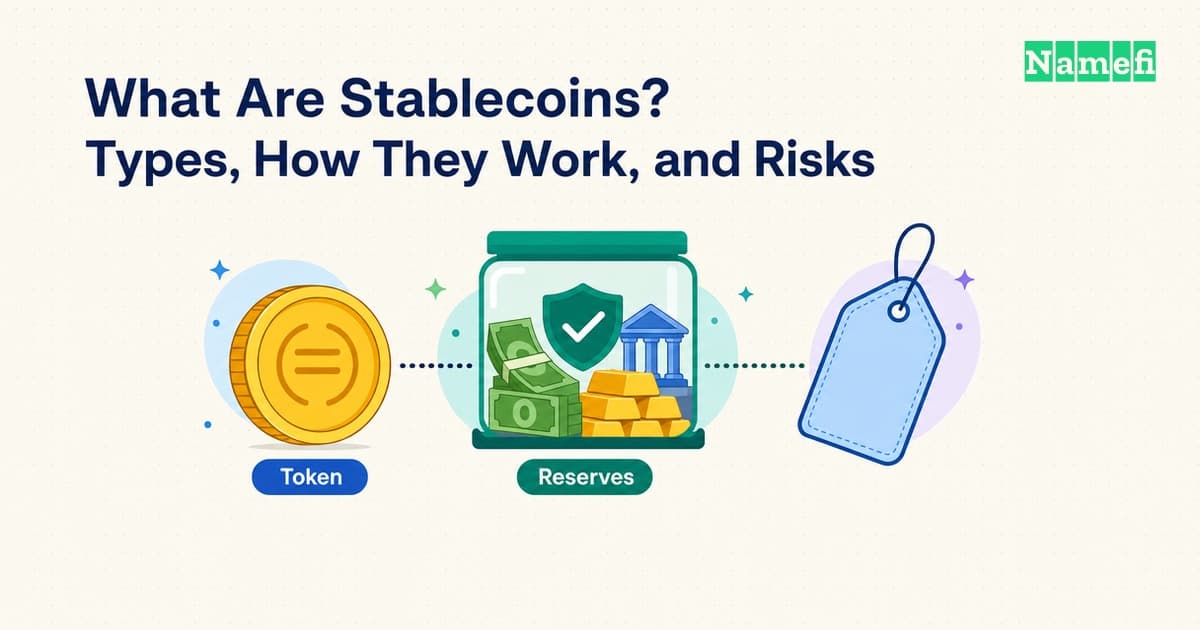
Stablecoins क्या हैं? Web3 अर्थव्यवस्था में स्थिरता की नींव
जानें कि कैसे stablecoins पारंपरिक फिएट और क्रिप्टोकरेंसी के बीच की खाई को पाटते हैं, और Web3 लेनदेन तथा डोमेन निवेश के लिए स्थिरता प्रदान करते हैं।
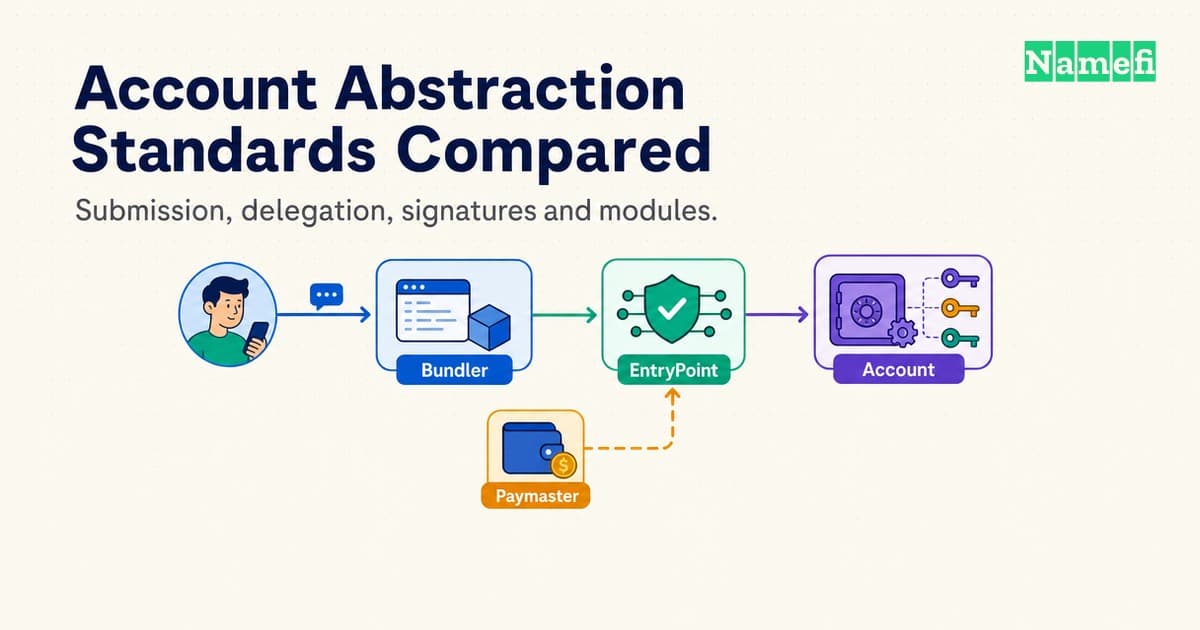
Top Account-Abstraction Standards: ERC-4337, EIP-7702, ERC-1271 and ERC-7579
Compare four account-abstraction standards by transaction flow, delegation, signature policy, module privileges, and integration risks.
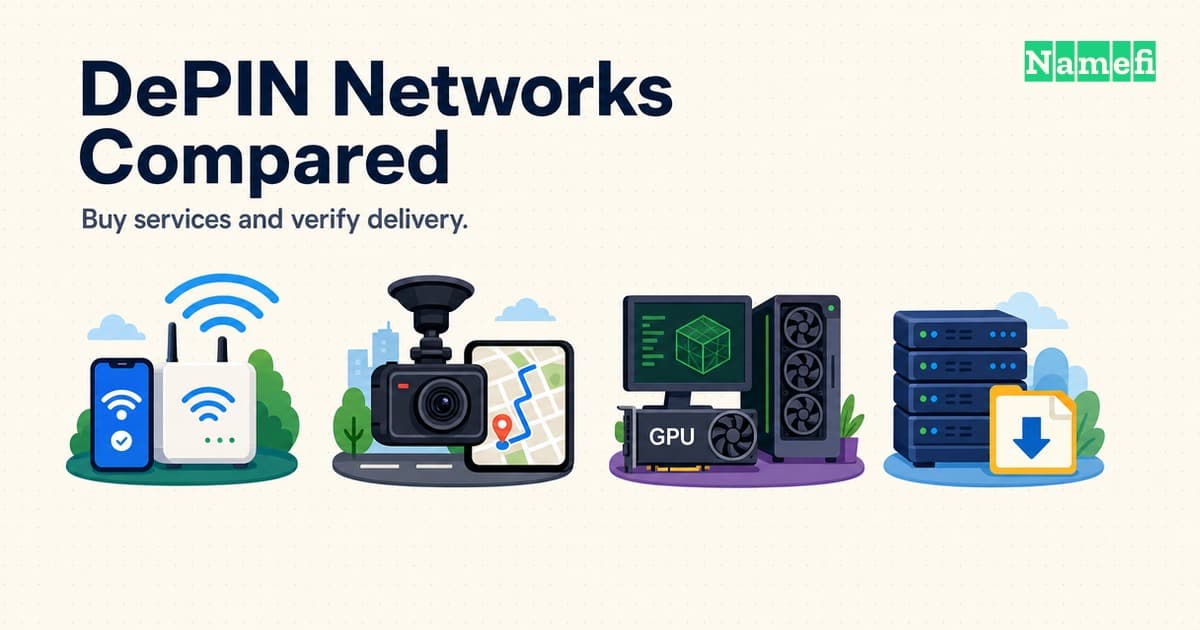
Top DePIN Networks Deliver Different Services: Helium, Hivemapper, Render and Filecoin
Compare Helium, Hivemapper, Render and Filecoin by service delivery, work verification, customer payments, provider rewards and buyer acceptance tests.
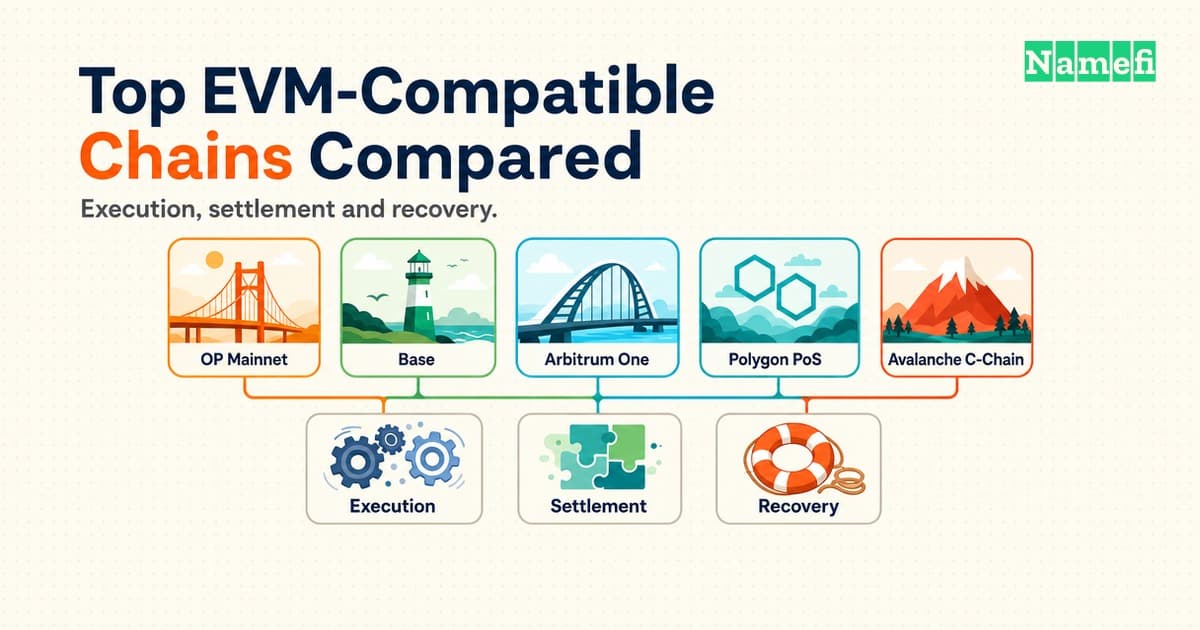
Top EVM-Compatible Chains: OP Mainnet, Base, Arbitrum One, Polygon PoS and Avalanche C-Chain
Compare OP Mainnet, Base, Arbitrum One, Polygon PoS, and Avalanche C-Chain by portability, proofs, validator trust, and recovery requirements.
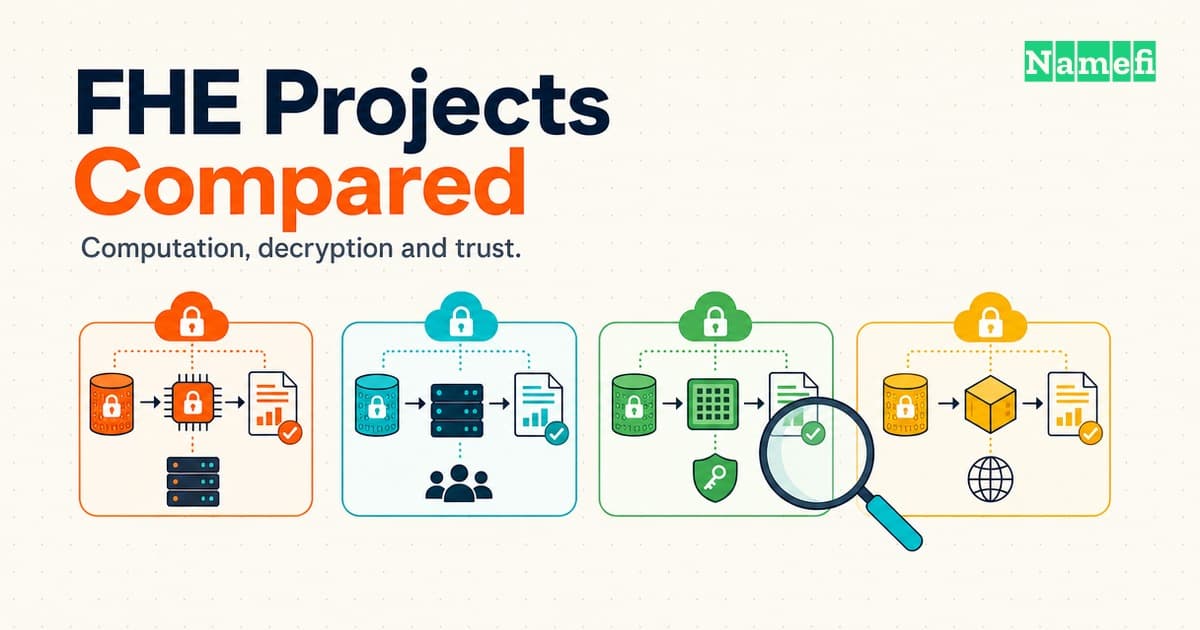
Top FHE Projects: Zama, Fhenix, Inco, and Sunscreen Compared
Compare Zama, Fhenix, Inco, and Sunscreen by encrypted execution, integration, decryption trust, and documented deployment status.
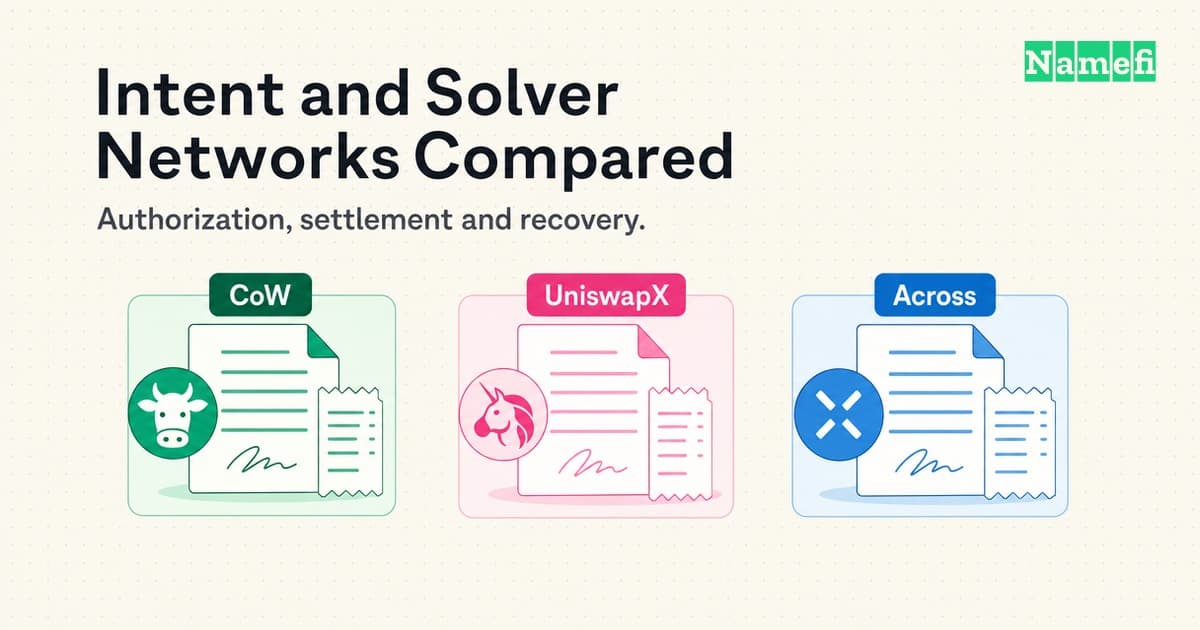
Top Intent and Solver Networks Use Different Settlement Rules
Compare CoW Protocol, UniswapX and Across through signed orders, solver competition, settlement checks and practical recovery steps.
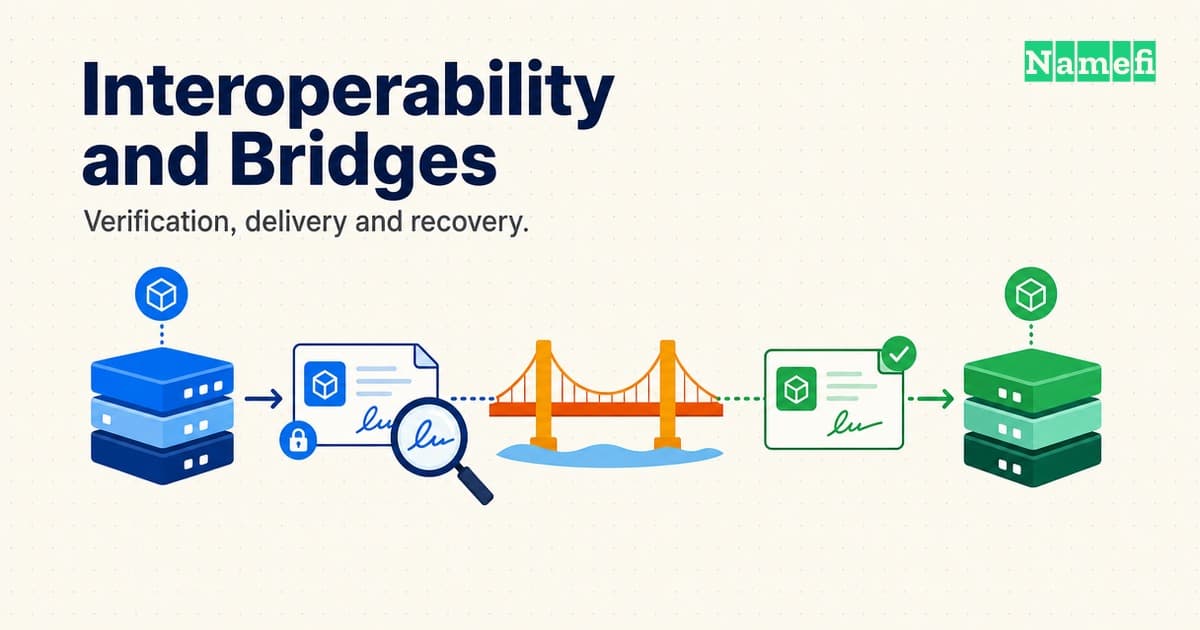
Top Interoperability Protocols Connect Chains Through Different Verification Models
Compare IBC, Chainlink CCIP, LayerZero and Wormhole by verification, token handling, configuration risk and recovery after failed delivery.
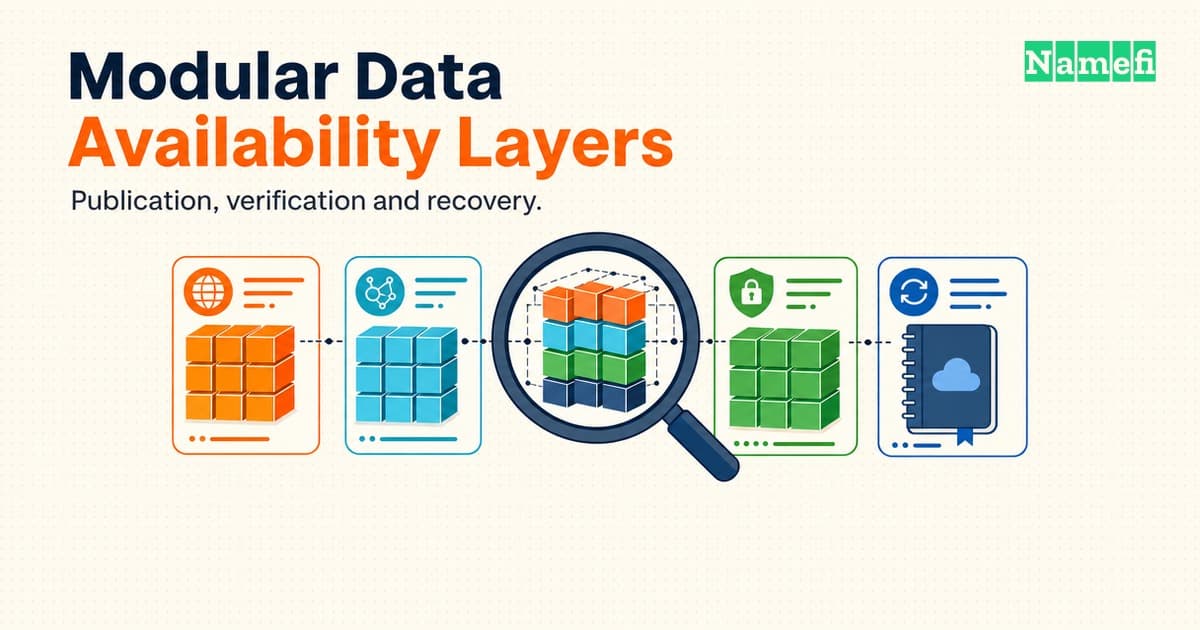
Top Modular Data Availability Layers: Celestia, EigenDA, Avail and NEAR DA
Compare Celestia, EigenDA, Avail and NEAR DA by verification path, operating assumptions, pricing structure and recovery requirements.
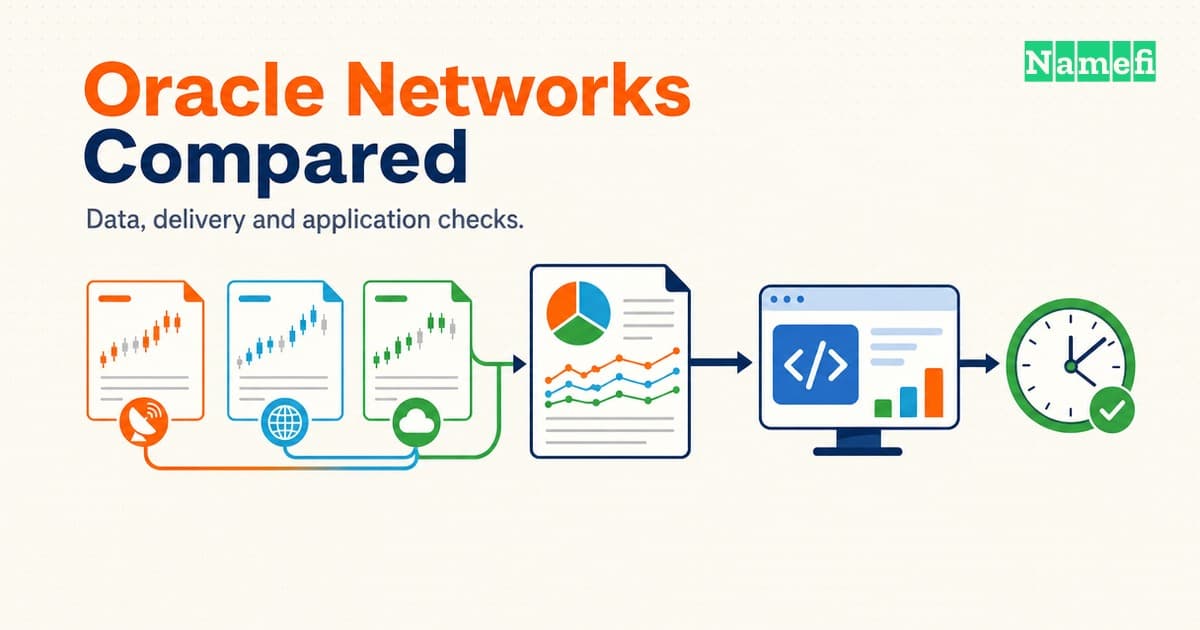
Top Oracle Networks Solve Different Data Problems: Chainlink, Pyth, RedStone and UMA
Compare Chainlink, Pyth, RedStone and UMA by data origin, delivery, freshness, confidence, disputes and application trust assumptions.

Top Restaking and Shared-Security Approaches Define Different Guarantees
Compare EigenLayer, Symbiotic, and legacy Karak designs through collateral, allocation, slashing authority, withdrawal timing, and recovery.
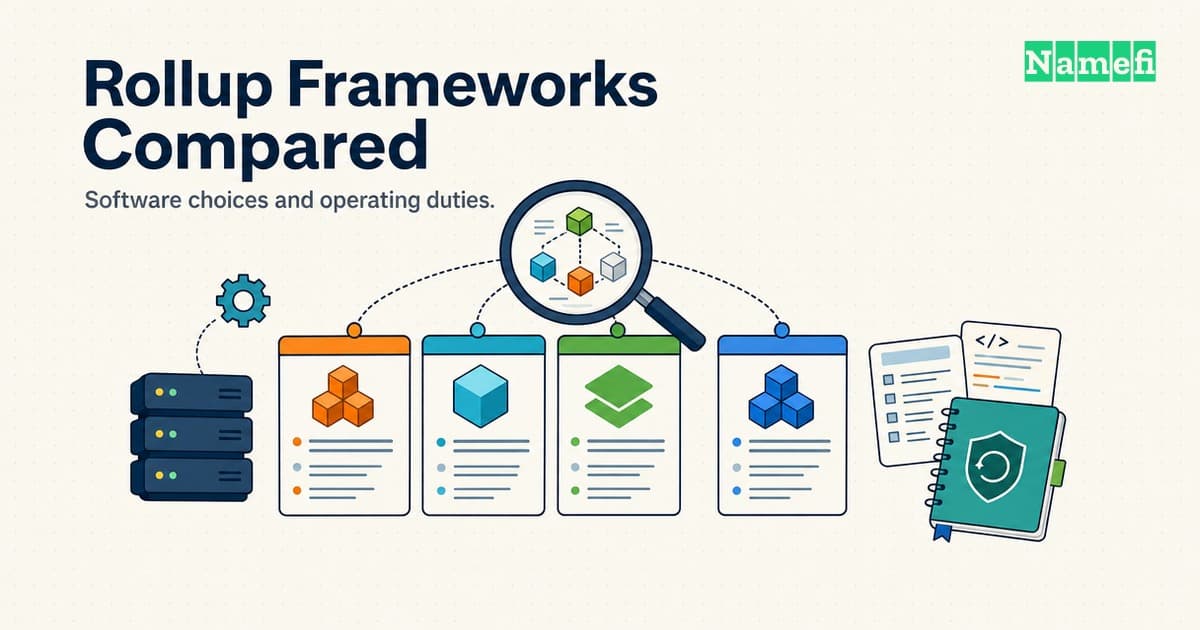
Top Rollup Frameworks: Compare OP Stack, Arbitrum Orbit, ZK Stack and Polygon CDK
Compare OP Stack, Arbitrum Orbit, ZK Stack, and Polygon CDK by deployment choices, data availability, proof systems, and operations.
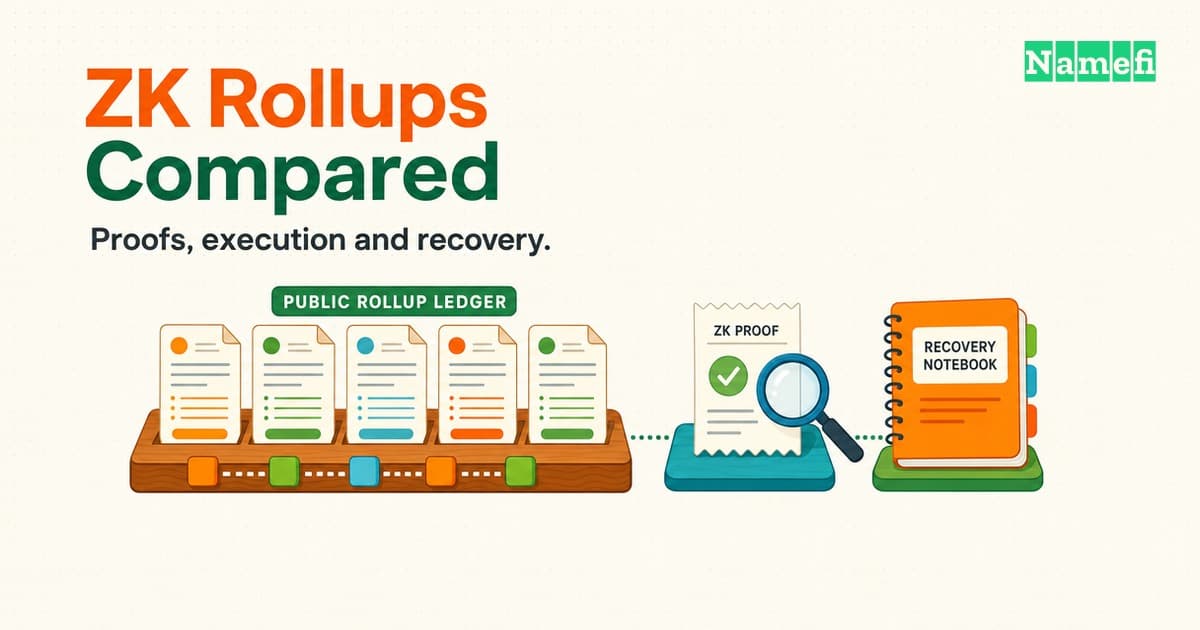
Top ZK Rollups Require Different Development and Recovery Choices
Compare ZKsync, Starknet, Scroll, and Linea by compatibility and recovery, and understand Polygon zkEVM's completed sunset.
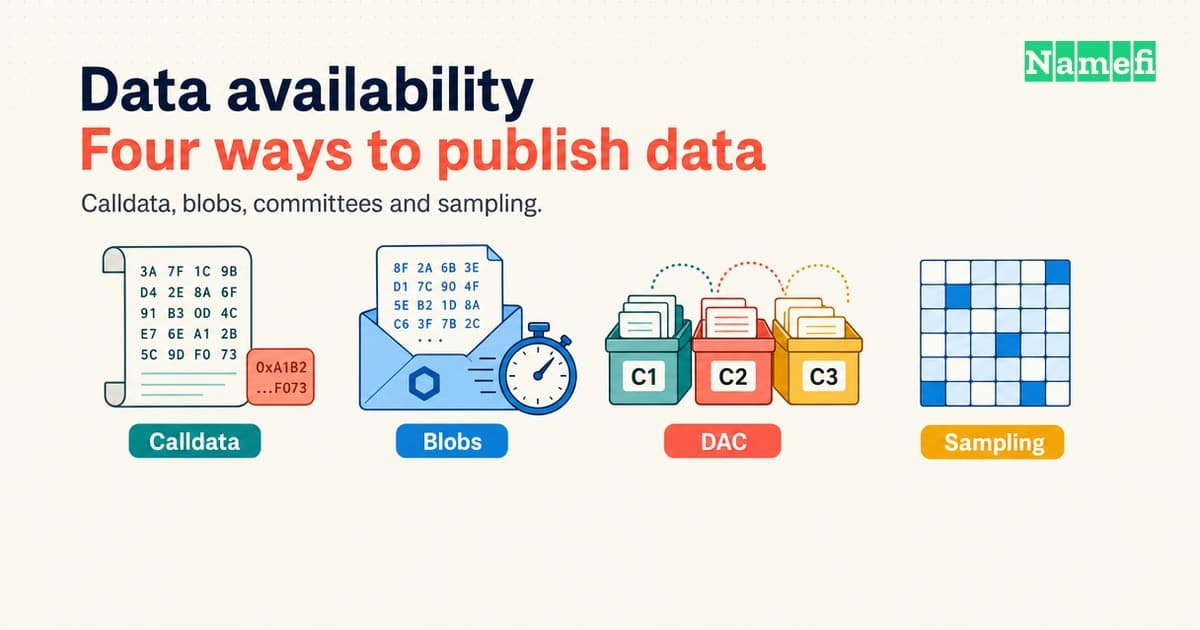
Top Blockchain Data-Availability Approaches: Calldata, Blobs, Committees and Sampling
Compare Ethereum calldata and blobs, data-availability committees, and sampling-based networks by recovery guarantee, cost, and trust assumptions.
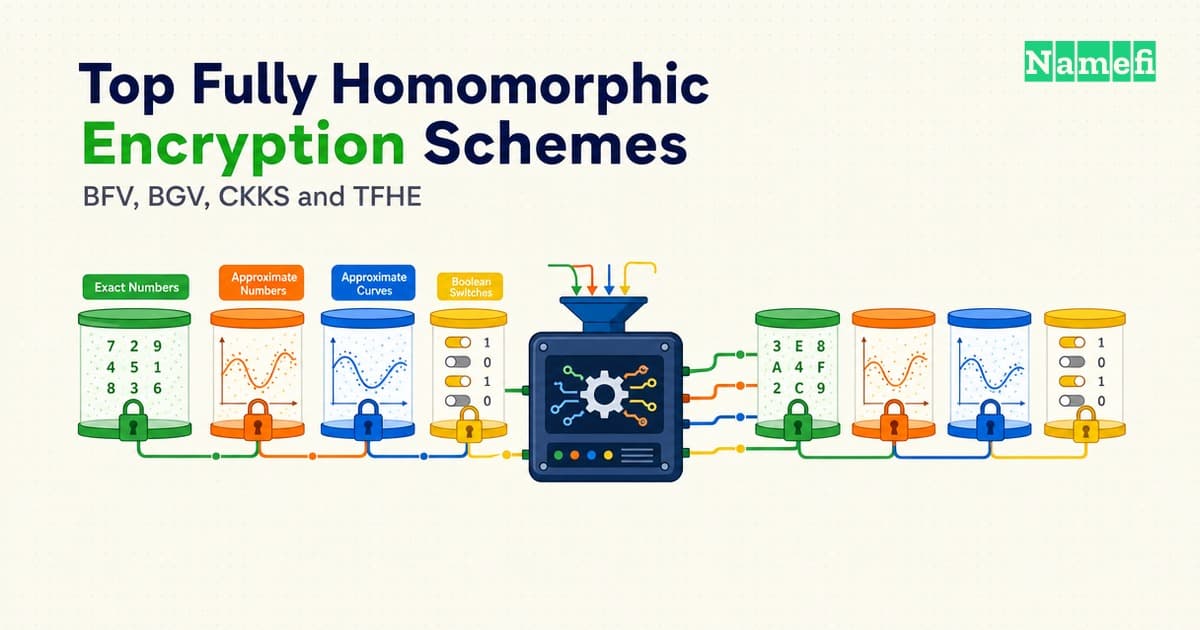
Top Fully Homomorphic Encryption Schemes: BFV, BGV, CKKS and TFHE
A practical comparison of BFV, BGV, CKKS, and TFHE by data type, bootstrapping cost, workload fit, maturity, and available libraries.
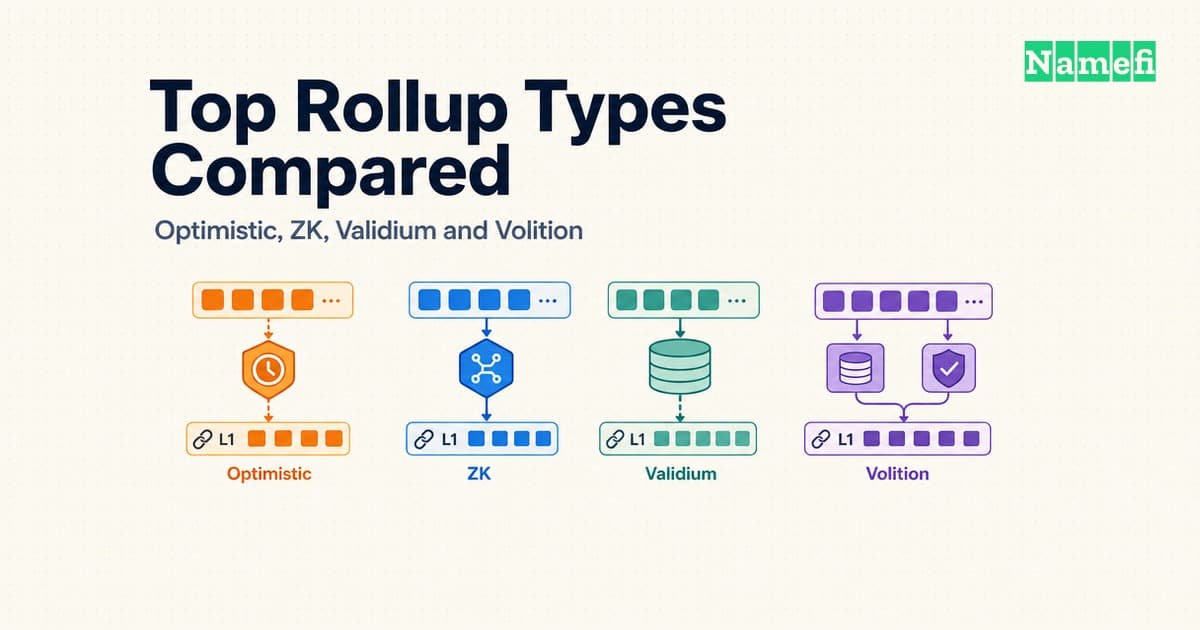
Top Rollup Types: Optimistic, ZK, Validium and Volition Compared
Compare optimistic rollups, ZK rollups, validiums, and volitions by data availability, security inheritance, withdrawal delay, cost, and networks.
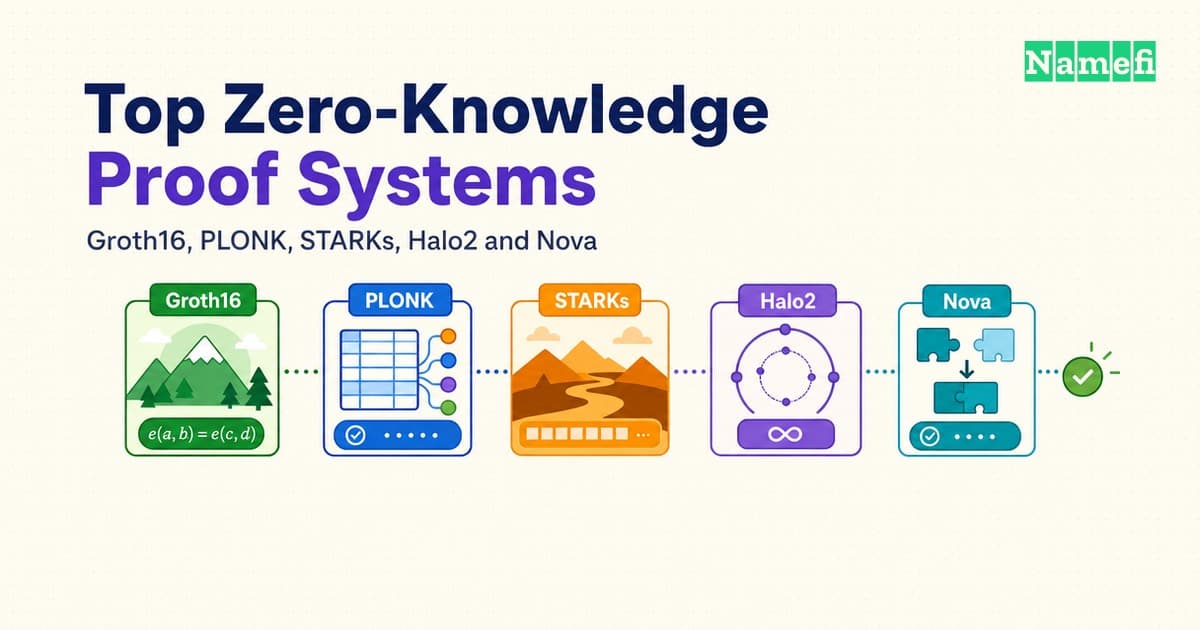
Top Zero-Knowledge Proof Systems: Groth16, PLONK, STARKs, Halo2 and Nova
A practical comparison of Groth16, PLONK, STARKs, Halo2, and Nova across proof size, proving speed, setup, verification, and EVM fit.
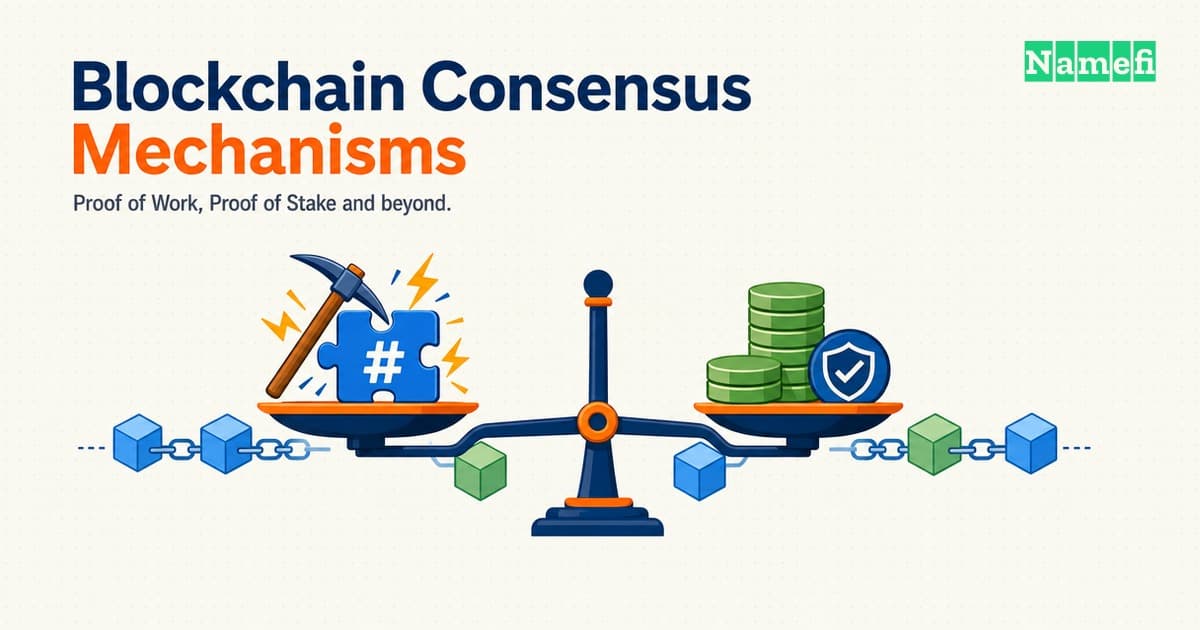
प्रमुख ब्लॉकचेन सहमति तंत्र: Proof of Work, Proof of Stake और उससे आगे
ब्लॉकचेन सहमति तंत्रों की स्पष्ट गाइड—Proof of Work, Proof of Stake, Delegated Proof of Stake, BFT सहमति, और हर तंत्र नेटवर्क को कैसे सुरक्षित करता है।
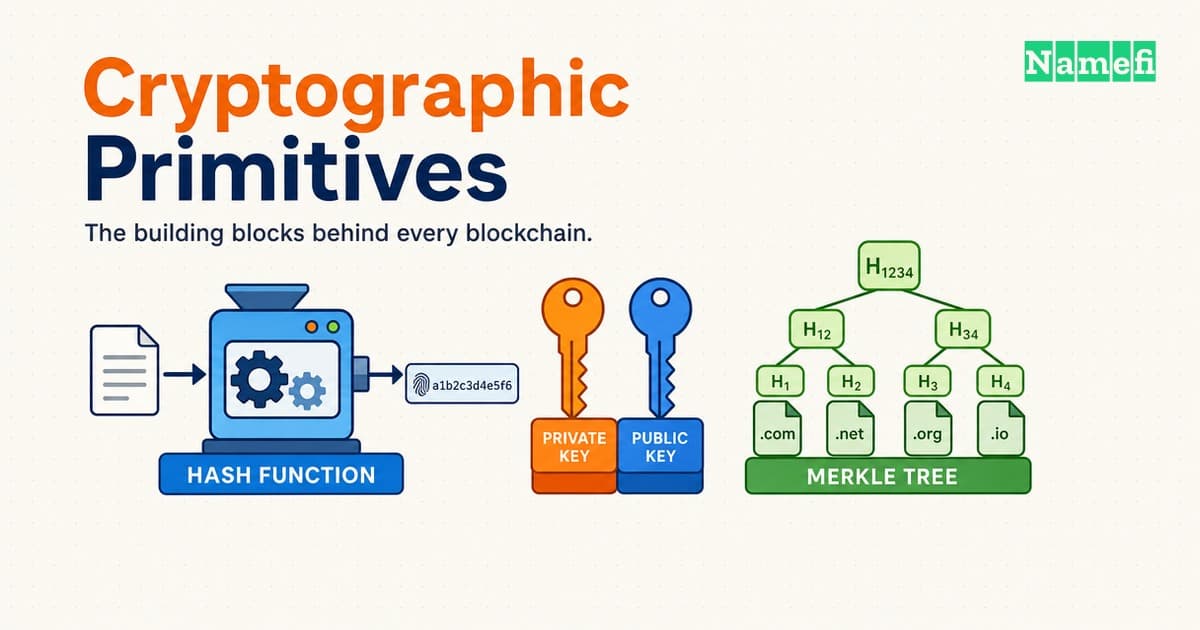
हर ब्लॉकचेन के पीछे के प्रमुख क्रिप्टोग्राफ़िक प्रिमिटिव्स
ब्लॉकचेन को काम करने योग्य बनाने वाले प्रमुख क्रिप्टोग्राफ़िक प्रिमिटिव्स की गाइड—हैश फ़ंक्शन, डिजिटल सिग्नेचर, मर्कल ट्री, एलिप्टिक-कर्व क्रिप्टोग्राफी और कमिटमेंट स्कीम।
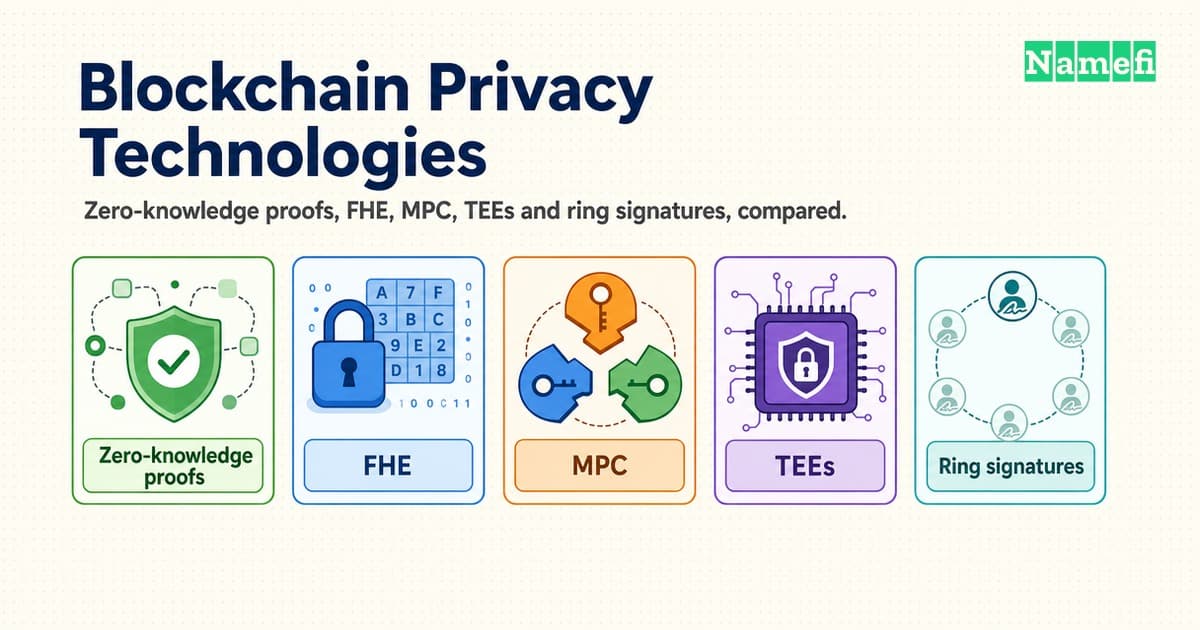
ब्लॉकचेन की प्रमुख गोपनीयता तकनीकें: ज़ीरो-नॉलेज प्रूफ़, FHE, MPC, TEE और रिंग सिग्नेचर
ब्लॉकचेन की पाँच प्रमुख गोपनीयता तकनीकों—ज़ीरो-नॉलेज प्रूफ़, FHE, MPC, TEE और रिंग सिग्नेचर—की सरल भाषा में साथ-साथ तुलना करने वाली गाइड।
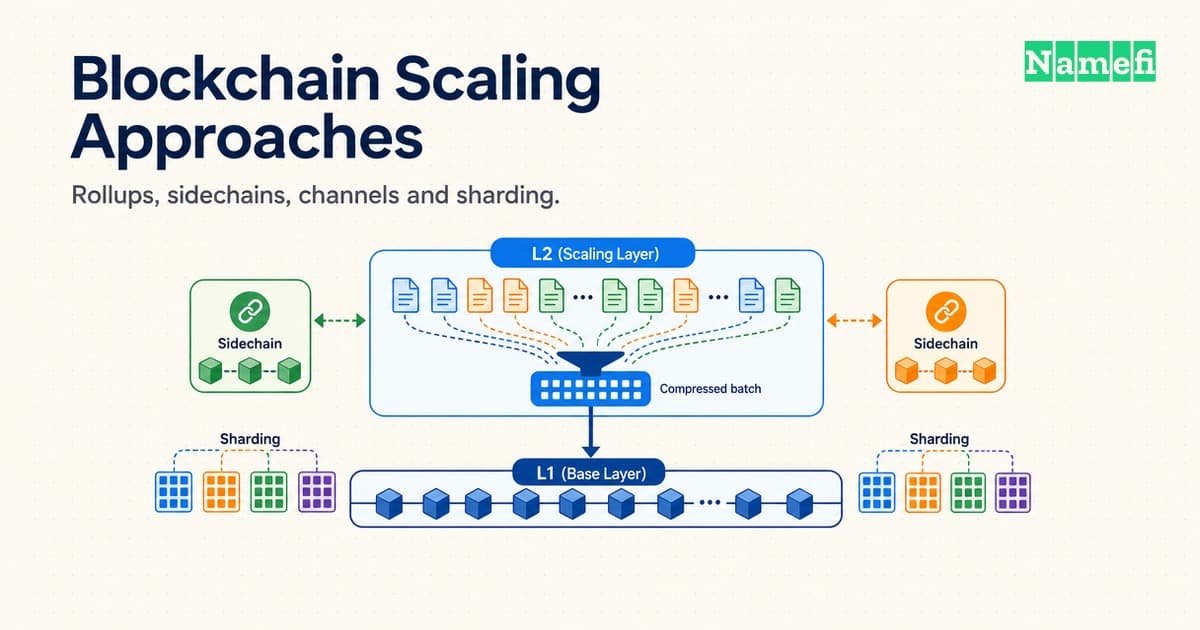
ब्लॉकचेन स्केलिंग के प्रमुख तरीके: रोलअप, साइडचेन, चैनल और शार्डिंग
ब्लॉकचेन स्केलिंग की शुरुआती गाइड—ऑप्टिमिस्टिक रोलअप, ZK रोलअप, साइडचेन, पेमेंट चैनल, शार्डिंग और डेटा उपलब्धता लेयर की साथ-साथ तुलना।
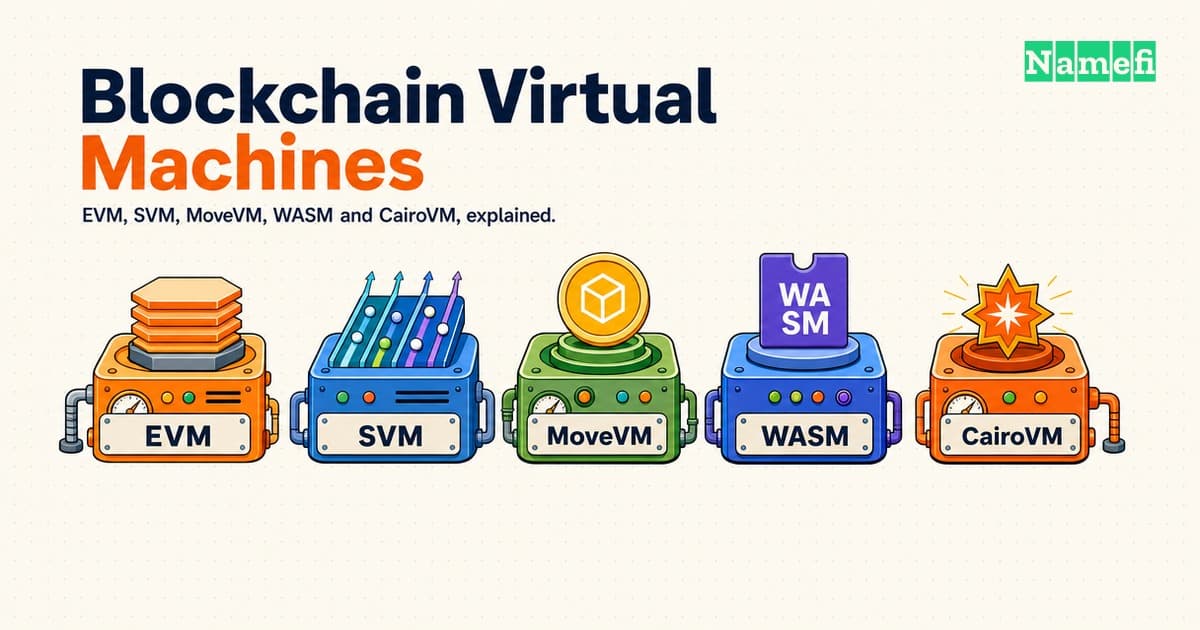
प्रमुख ब्लॉकचेन वर्चुअल मशीनें: EVM, SVM, MoveVM, WebAssembly/RISC-V और CairoVM
प्रमुख ब्लॉकचेन वर्चुअल मशीनों—EVM, SVM, MoveVM, WebAssembly और RISC-V VM, तथा CairoVM—की गाइड, जिसमें उनकी भाषाओं, निष्पादन मॉडलों और इकोसिस्टम की तुलना की गई है।
परफेक्ट बनाम कंप्यूटेशनल ज़ीरो-नॉलेज: इस अंतर का वास्तव में क्या अर्थ है
ज़ीरो-नॉलेज प्रूफ़ तीन प्रकार के होते हैं—परफेक्ट, स्टैटिस्टिकल और कंप्यूटेशनल—और यह अंतर अधिकांश इंजीनियरिंग चर्चाओं की तुलना में कहीं अधिक मायने रखता है। यह पोस्ट सरल भाषा में प्रत्येक प्रकार को समझाती है कि क्यों 2026 में लगभग हर प्रोडक्शन ZK सिस्टम कंप्यूटेशनल है, और इसके क्या फायदे और नुकसान हैं।
पेश है Route402 — एक x402 फैसिलिटेटर राउटर
एक मल्टी-टेनेंट राउटर जो आपको x402 को एक बार इंटीग्रेट करने और रूटिंग लॉजिक को आपके ऐप में धकेले बिना, पॉलिसी और लाइव सिग्नल्स द्वारा रिक्वेस्ट्स को रूट करने की सुविधा देता है।
Google ने AI शॉपिंग एजेंट्स की अगली पीढ़ी को सशक्त बनाने के लिए ‘Universal Commerce Protocol’ का अनावरण किया
UCP एजेंट-नेटिव कॉमर्स को संचालित करने की Google की पहल है, जो AI सहायकों को पूरे ओपन वेब पर खरीदारी और चेकआउट करने की सुविधा देती है।
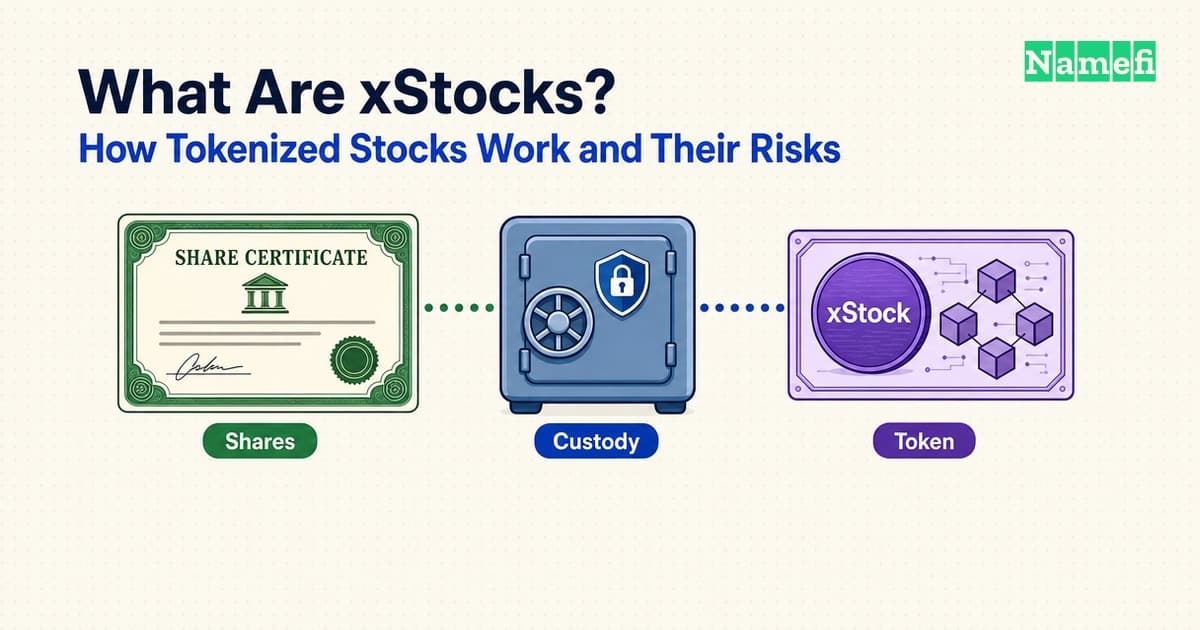
xStocks क्या हैं? डोमेनर को इनकी परवाह क्यों करनी चाहिए?
जानें कि xStocks वित्त में कैसे क्रांति ला रहे हैं और क्यों Namefi के माध्यम से टोकनाइजेशन का उपयोग करने वाले डोमेनर इस डिजिटल बदलाव का नेतृत्व करने के लिए विशिष्ट रूप से तैयार हैं।