Domain Basics
Start here: what a domain is, how TLDs work, key terminology, naming, and disputes.
- Root .
- TLD (.com)
- Domain (example)
- Subdomain (www)
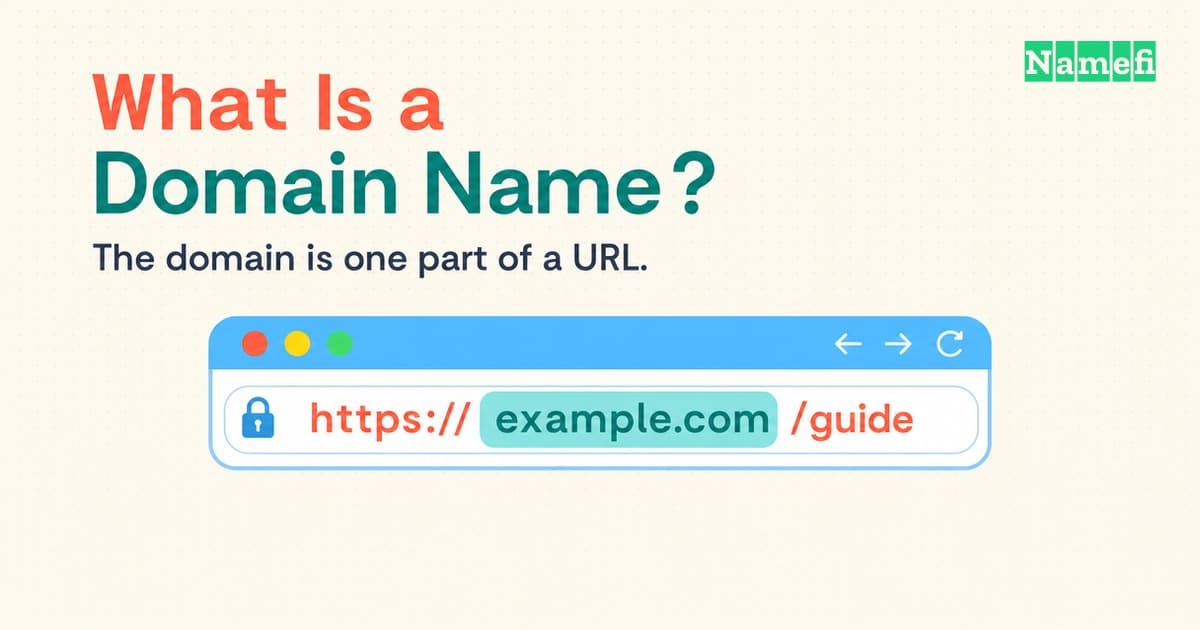
What Is a Domain Name? Examples, Structure, and URLs
Understand domain names, root, TLD, second-level domains, subdomains, registration boundaries, and the difference between a domain and a URL.
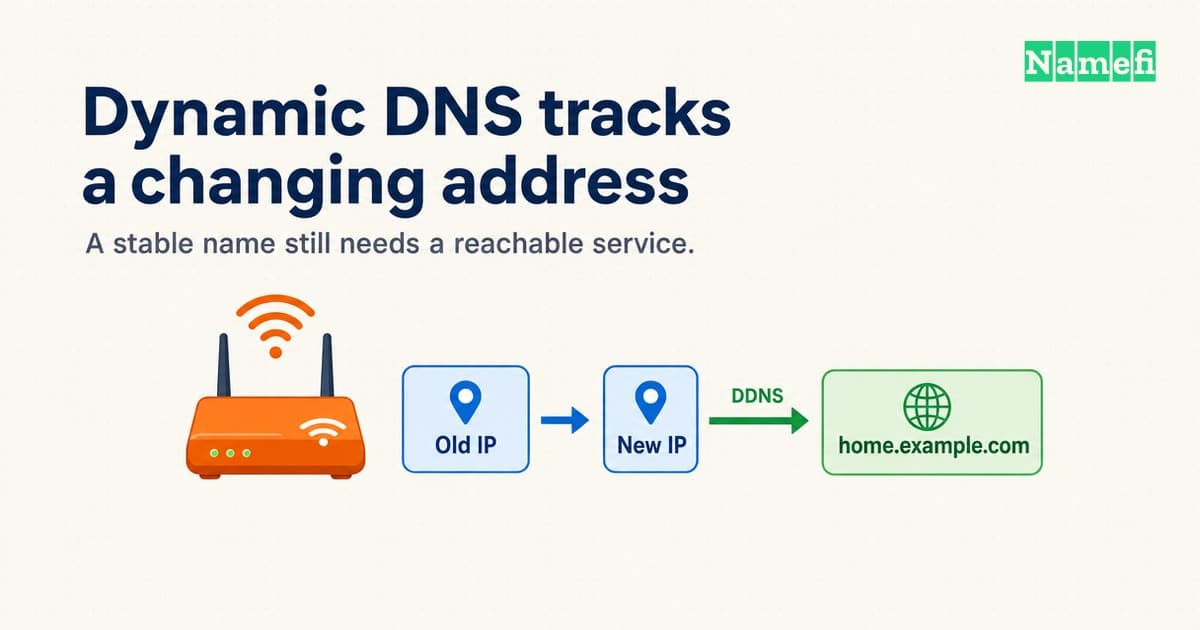
Dynamic DNS Keeps a Hostname Pointed at a Changing Address
Configure ddclient for changing IPv4 addresses, protect update credentials, and check DNS separately from network reachability.
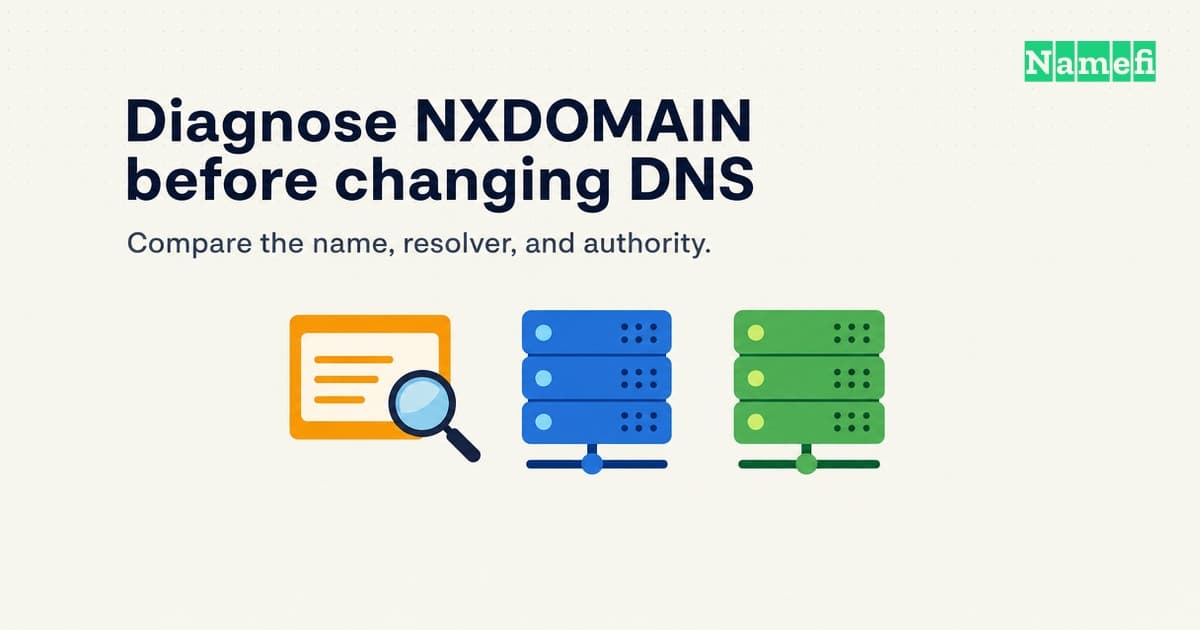
DNS_PROBE_FINISHED_NXDOMAIN Requires a Name and Resolver Check
Diagnose DNS_PROBE_FINISHED_NXDOMAIN by checking the exact name, browser lookup path, resolver responses, authoritative records, and negative caches.
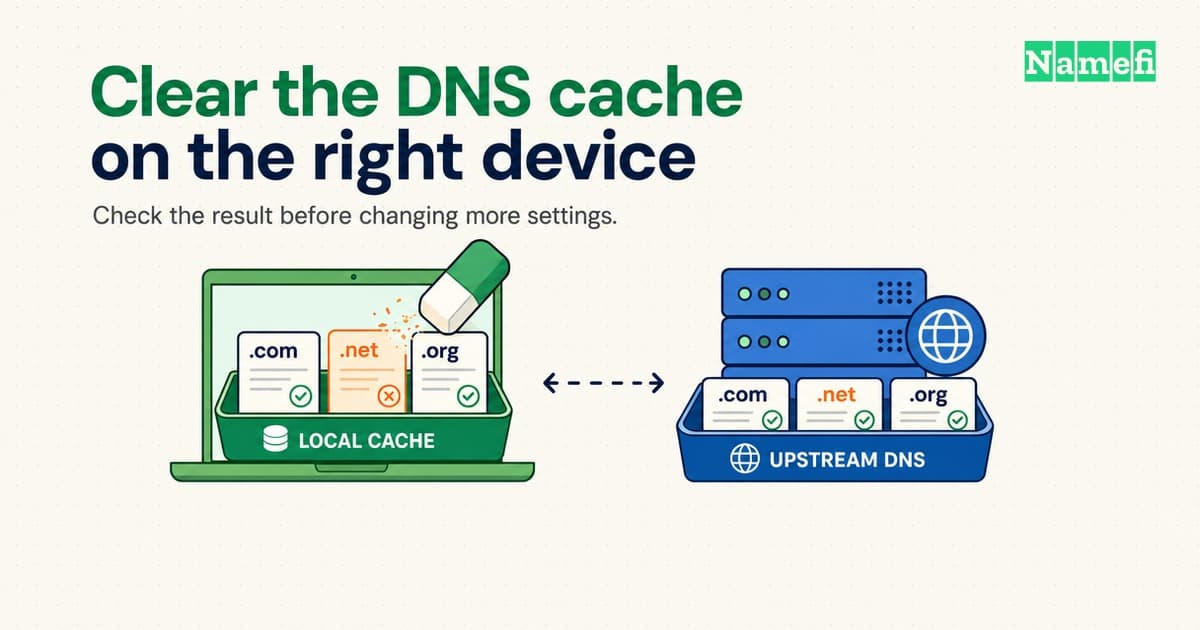
A DNS Cache Flush Refreshes Local Answers on Windows, macOS, and Linux
Clear the right DNS cache, compare results, and distinguish local stale answers from upstream caching, missing records, and browser problems.
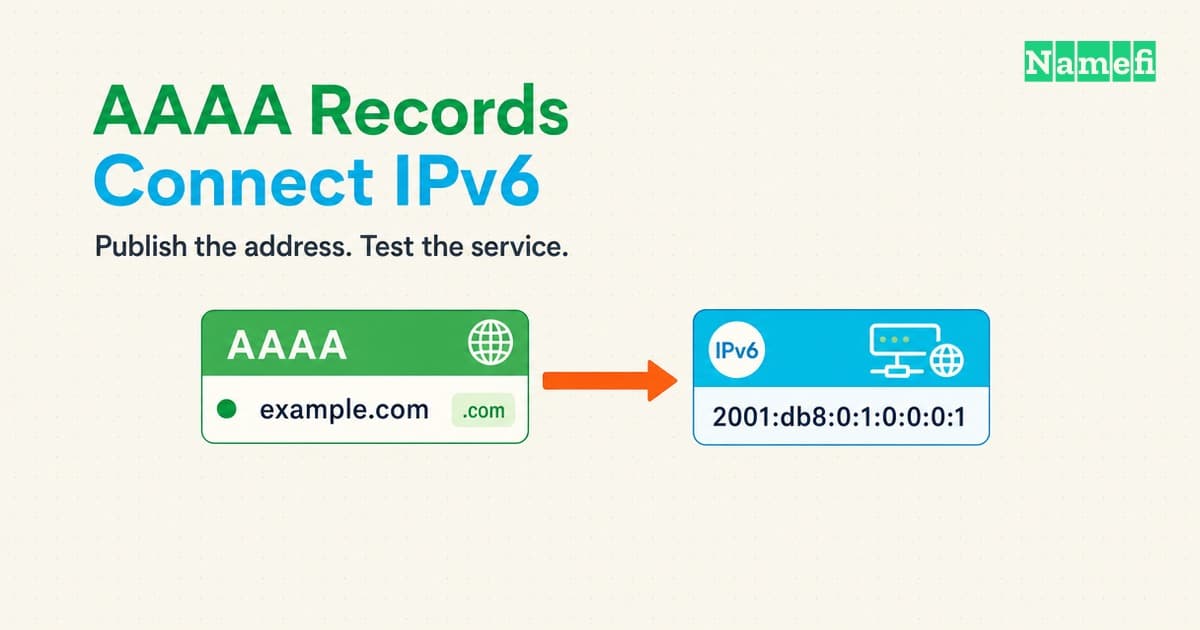
AAAA Records Connect Domain Names to IPv6 Addresses
Learn what AAAA records do, when to publish IPv6 addresses, and how to diagnose a site that works over IPv4 but fails over IPv6.
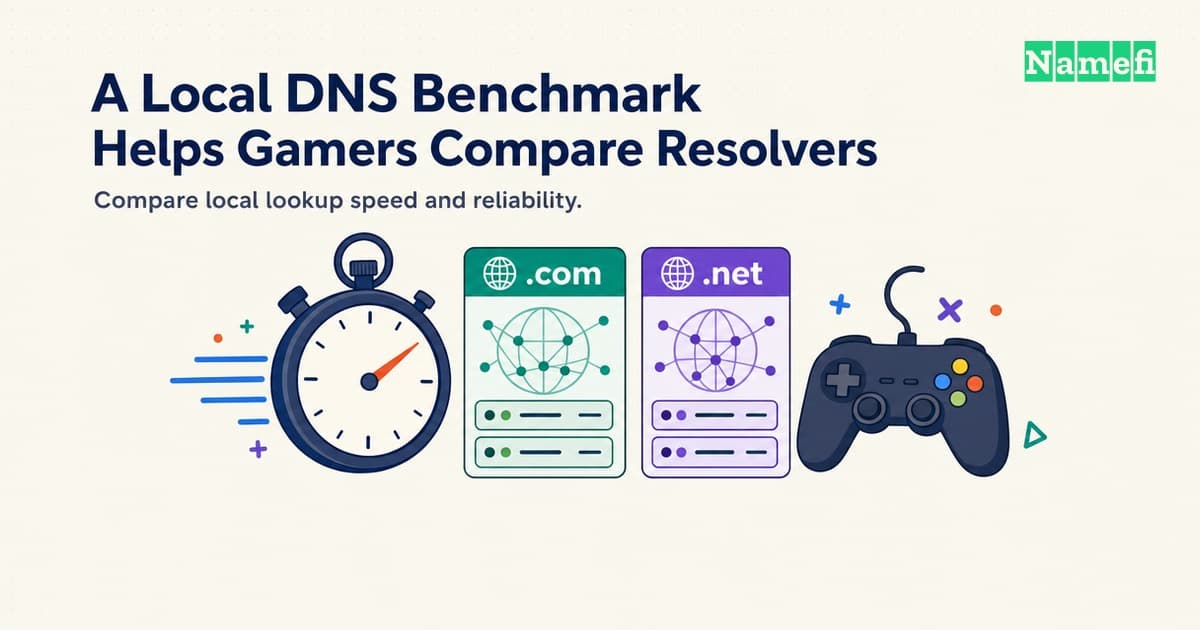
A Local DNS Benchmark Helps Gamers Compare Resolvers
Measure DNS lookup speed and reliability on your own network, then test the game separately before keeping a resolver change.
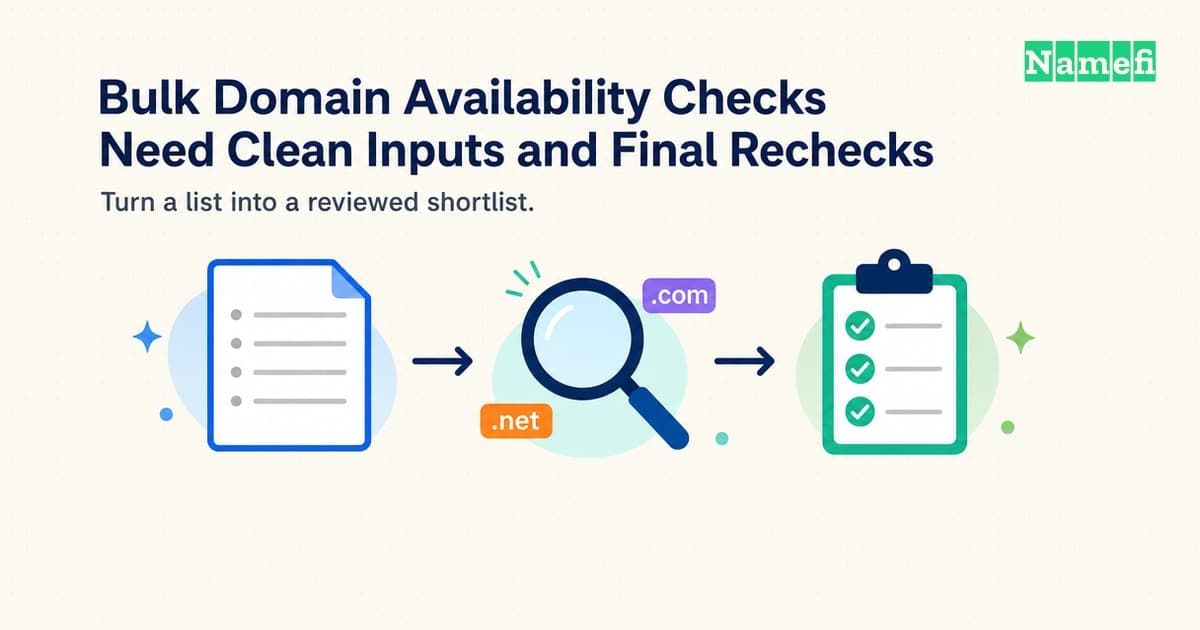
Bulk Domain Availability Checks Need Clean Inputs and Final Rechecks
Clean a bulk domain list, respect API limits, recover from rate limits, preserve unknown results, and recheck prices before buying.
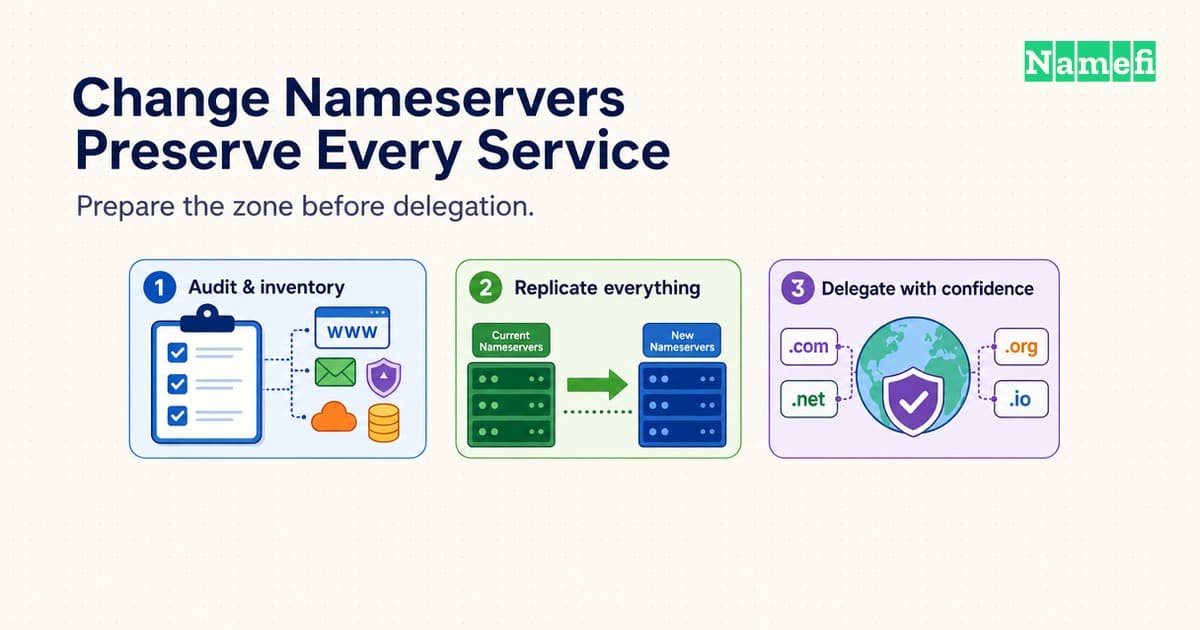
Nameserver Changes Require a Complete Zone and a DNSSEC Plan
Move authoritative DNS with a complete record inventory, a DNSSEC migration plan, and checks for website and email continuity.
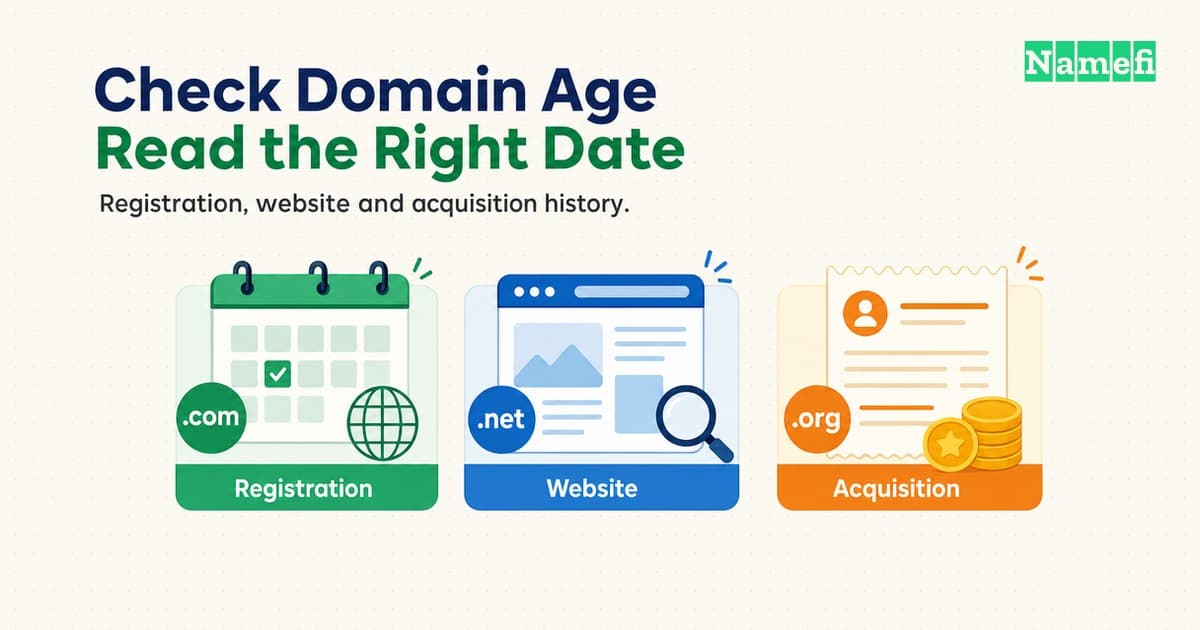
Domain Age Requires Separate Registration and Website Checks
Check domain age with registration data, then separate website history, ownership changes, and evidence gaps before trusting an age claim.
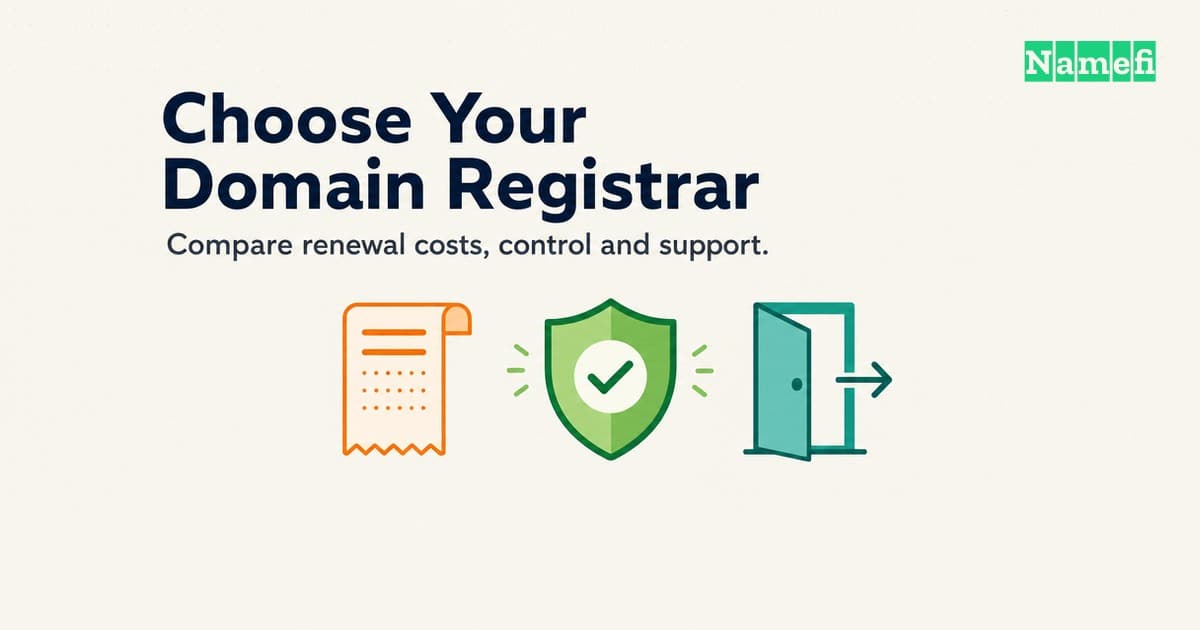
Your Domain Registrar Should Match Your Costs and Control Needs
Choose a domain registrar by comparing renewal costs, account security, DNS freedom, recovery support, and transfer terms before checkout.
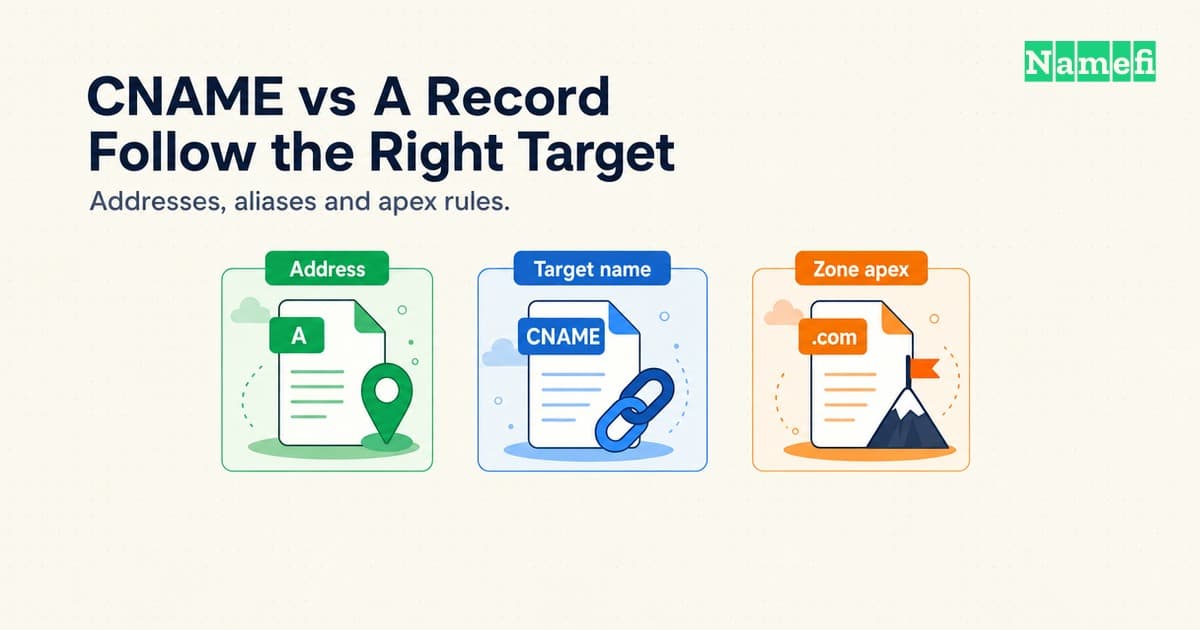
CNAME vs A Record: A Stores an Address, CNAME Names a Target
Choose A or CNAME records for a website, understand apex restrictions and flattening, and check DNS separately from HTTPS redirects.
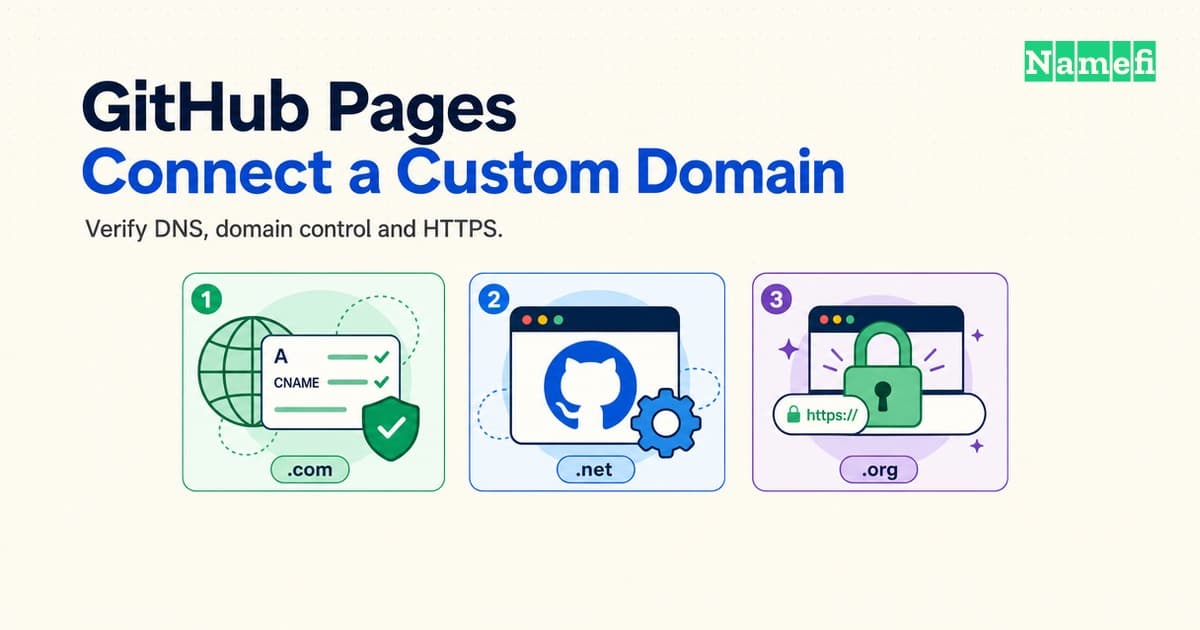
A custom domain connects GitHub Pages through DNS and HTTPS
Connect an apex domain or subdomain to GitHub Pages, verify domain control, check DNS records, and resolve HTTPS failures.
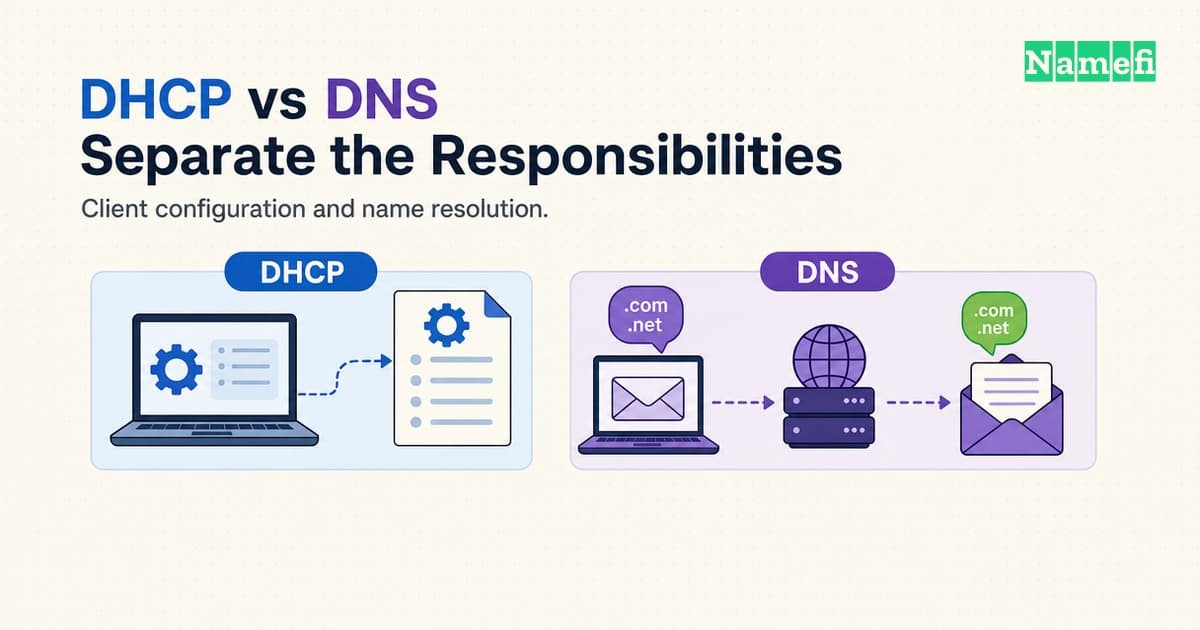
DHCP configures network clients while DNS resolves names
Separate DHCP leases, DNS resolver settings, authoritative records, and dynamic updates before troubleshooting a network connection.
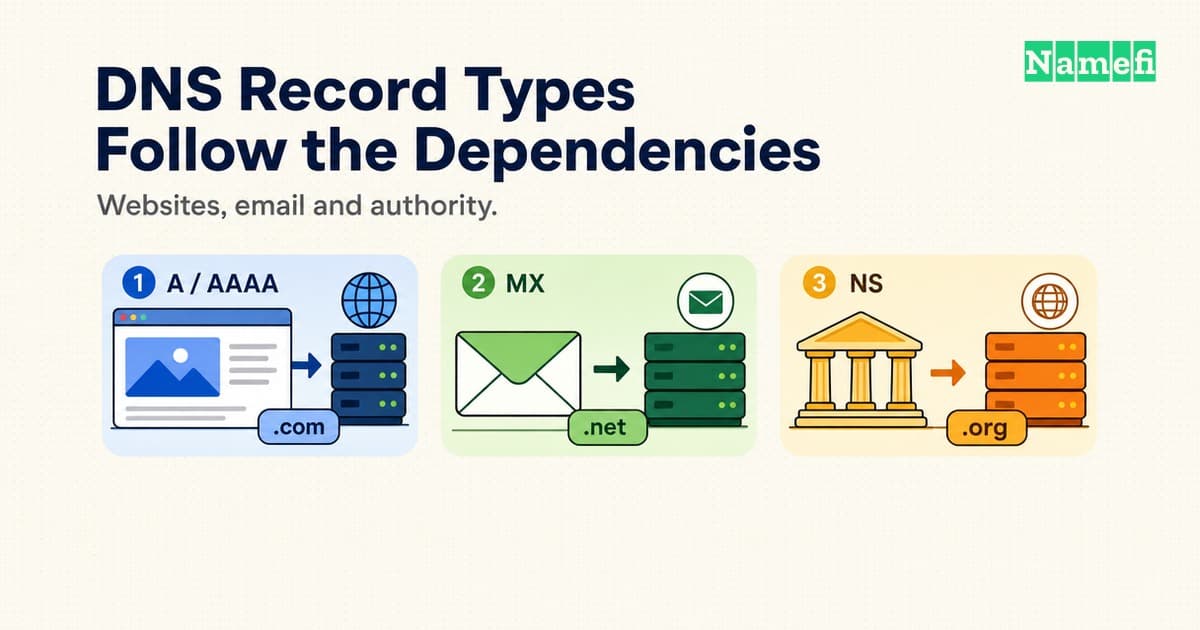
DNS Record Types Connect Websites, Email, and Zone Authority
Choose DNS records by their job, trace website and email dependencies, and verify changes without breaking unrelated services.
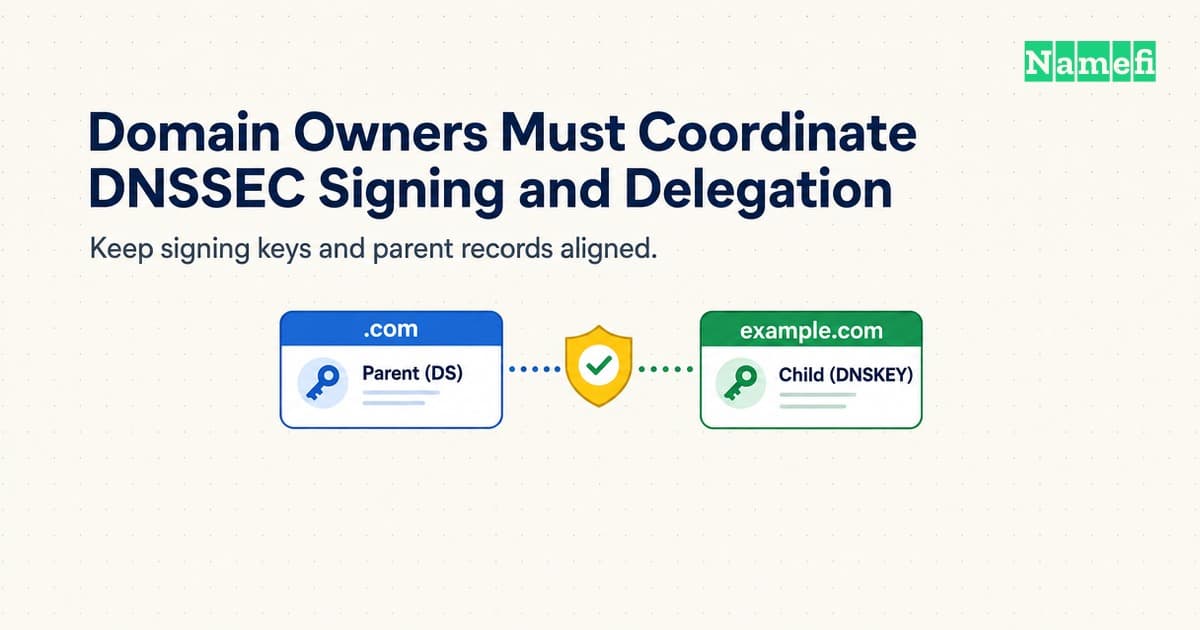
Domain Owners Must Coordinate DNSSEC Signing and Delegation
Enable and maintain DNSSEC with clear responsibility for signing, parent DS records, provider migrations, and recovery.
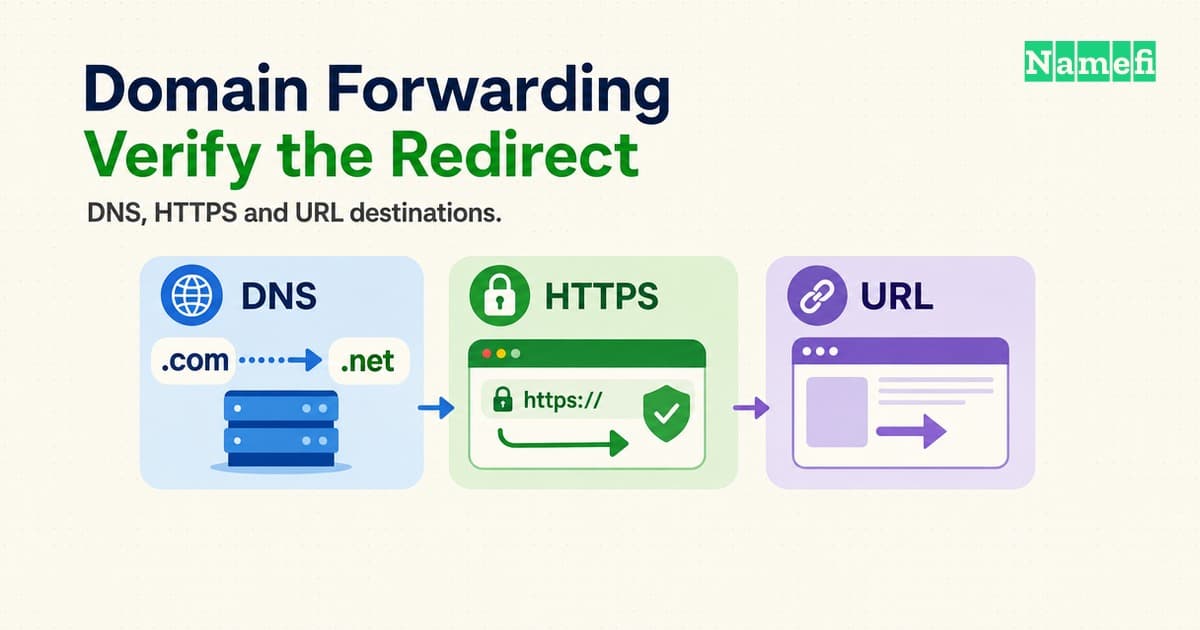
Domain Forwarding Uses HTTP Redirects After DNS Resolution
Choose 301, 302, 307, or 308 redirects, preserve the right URLs, and check HTTPS before forwarding a domain.
Free Business Email Options Separate Mailboxes from Forwarding
Compare free business email with or without a domain. Check Zoho eligibility, forwarding limits, paid renewals, and sending before choosing.
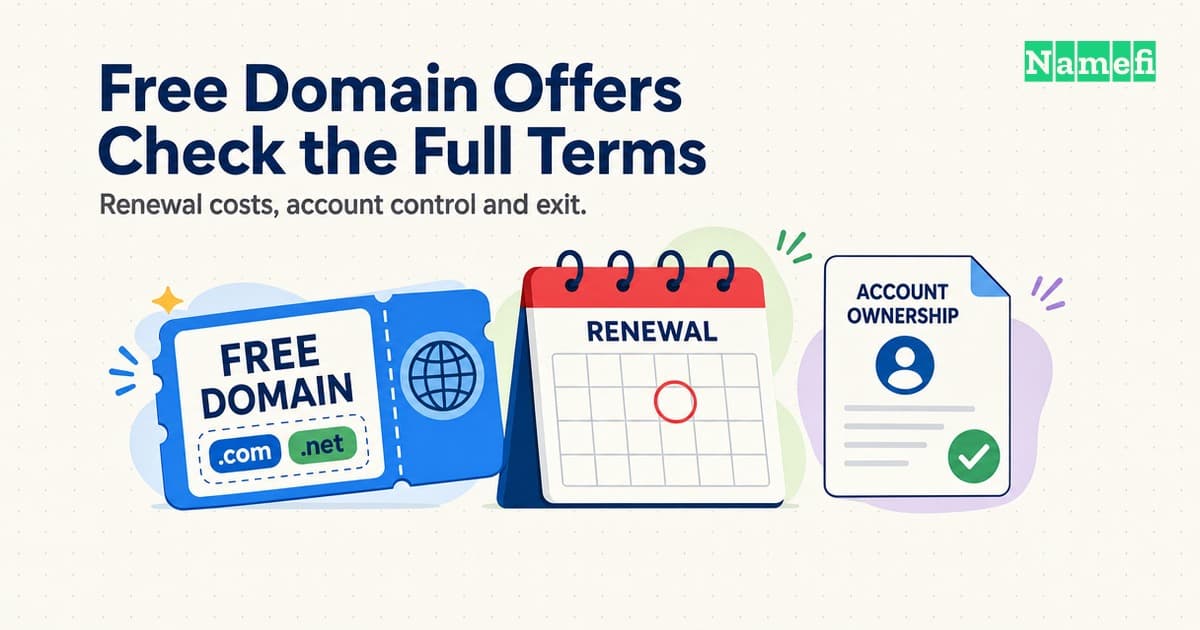
Free Domain Offers Differ in Renewal Costs and Account Control
Compare free subdomains and first-year domain offers. Check eligibility, renewals, account control, cancellation, and transfer options before signing up.
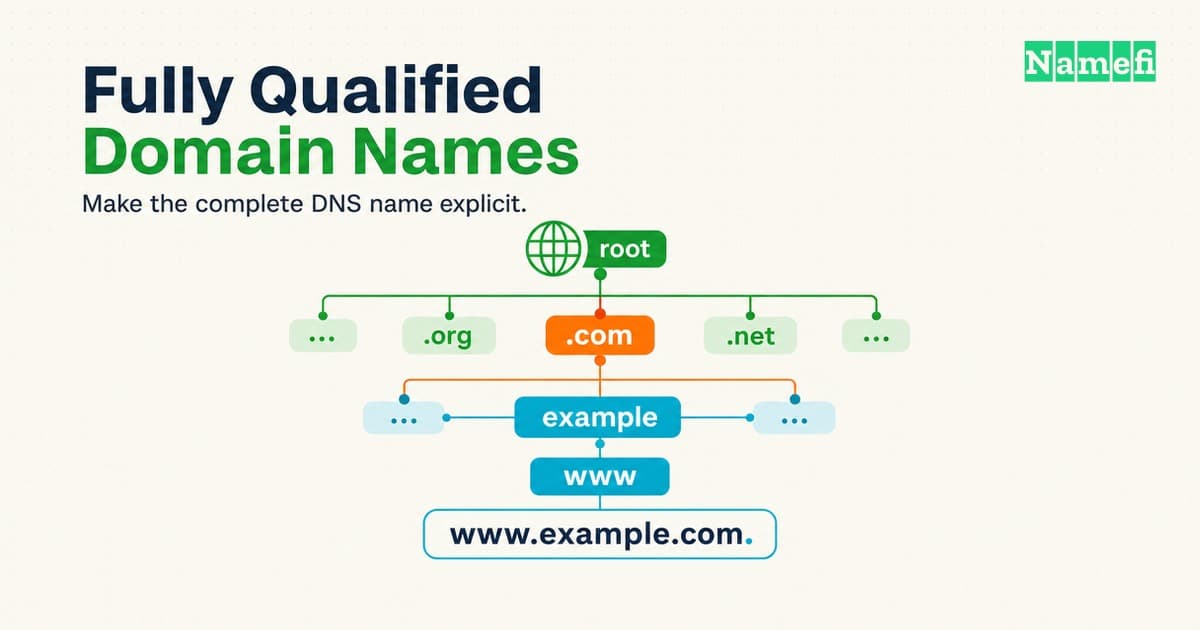
Fully Qualified Domain Names Identify Complete DNS Names
Understand FQDNs, trailing dots, DNS search lists, and zone-file origins, then test the exact name without changing your records.
ICANN Domain Lookup Shows Registration Data and Its Limits
Use ICANN Lookup to identify a registrar, read registration dates and status codes, and separate public records from ownership and availability claims.
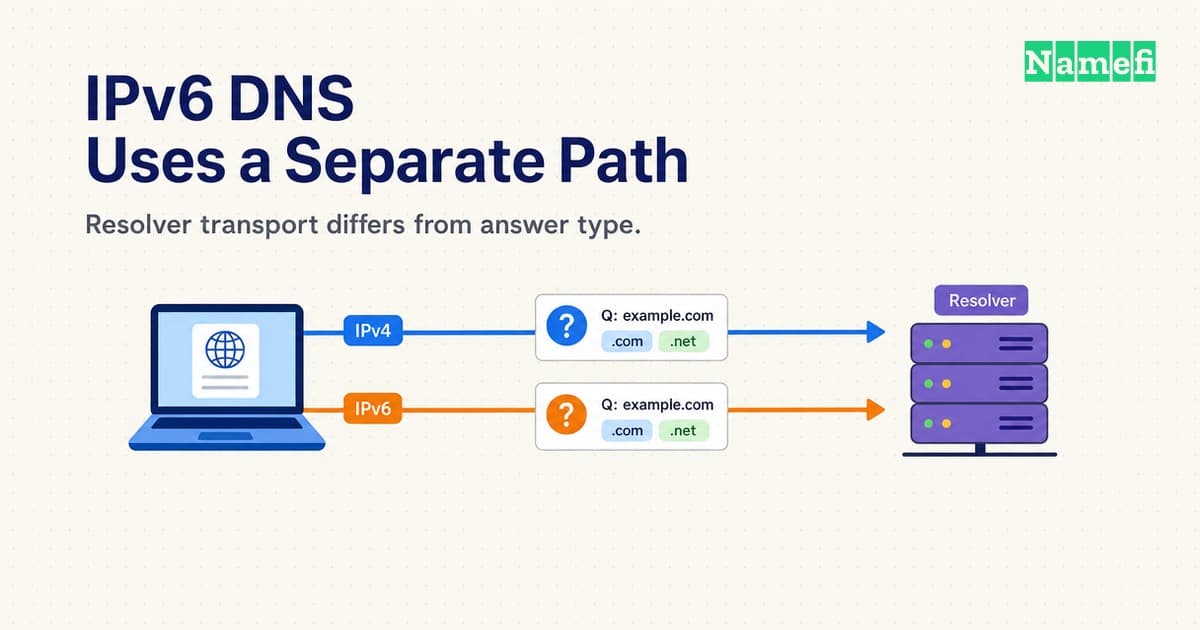
IPv6 DNS Uses a Separate Transport from the Address in the Answer
Find IPv6 DNS server addresses and test IPv4 and IPv6 resolver paths without confusing query transport, AAAA records, and website connections.
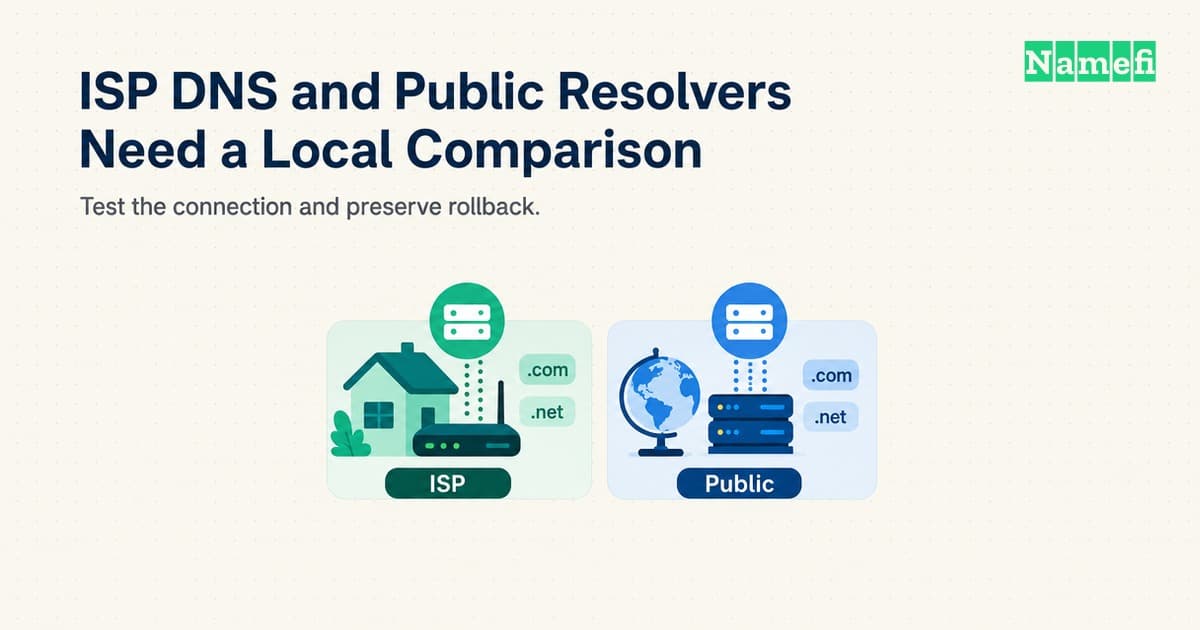
ISP DNS and Public Resolvers Need a Local Comparison
Compare ISP DNS with a public resolver through local tests, privacy policies, filtering requirements, and a reversible change on one device.
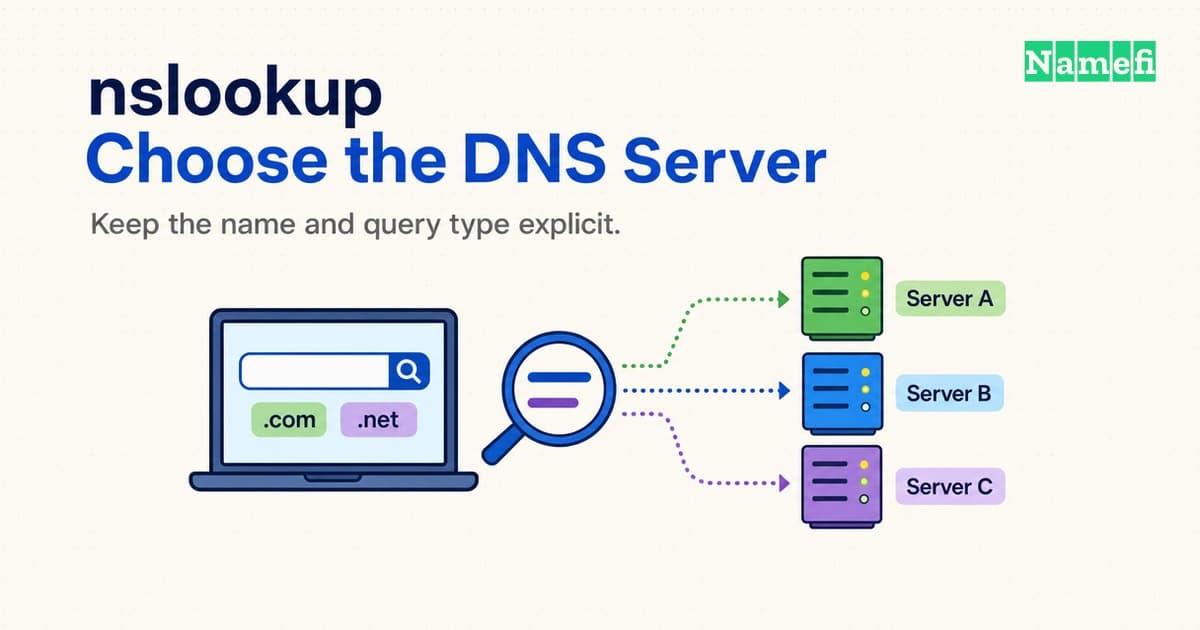
nslookup Targets a Specific DNS Server With Its Second Argument
Use explicit nslookup servers and record types to compare resolver answers, check authoritative data, and distinguish DNS errors.
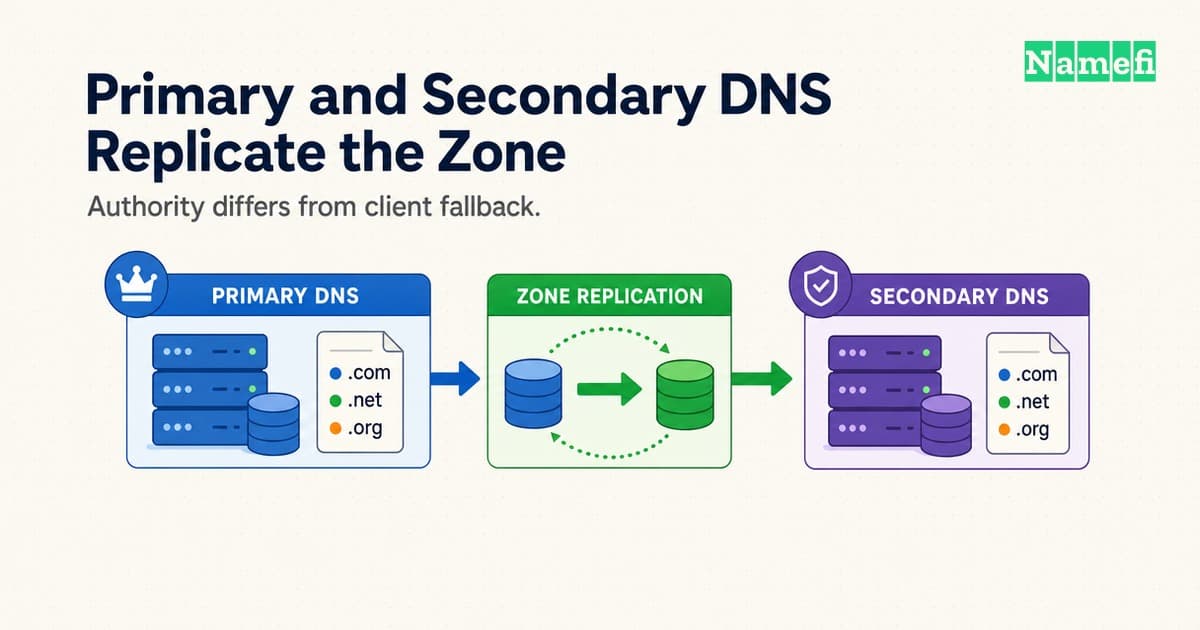
Primary and Secondary DNS Servers Share Authoritative Zone Data
Learn how primary and secondary DNS servers replicate zones, handle failures, and differ from preferred and alternate resolvers.
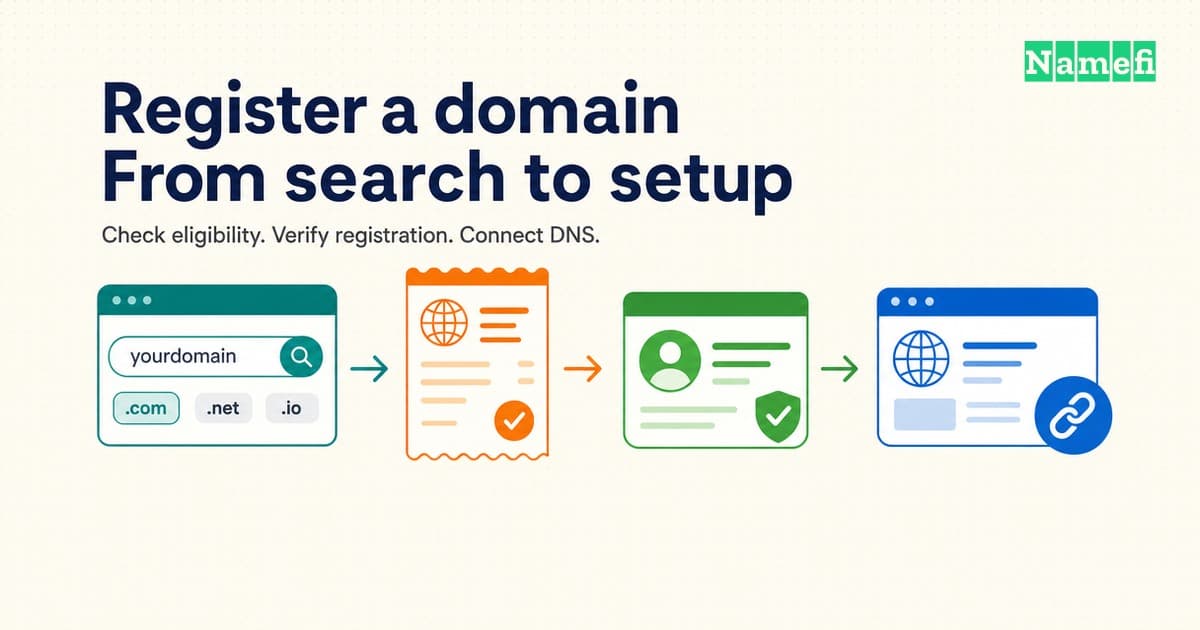
Register a Domain Name and Connect Your Website
Register a domain with a practical checklist for eligibility, checkout, contact verification, DNS, website setup, and email.
You Can Renew Your Domain Name Before It Expires
Renew your domain name, verify the new expiry date, check auto-renew and payment settings, and contact your registrar quickly after expiration.
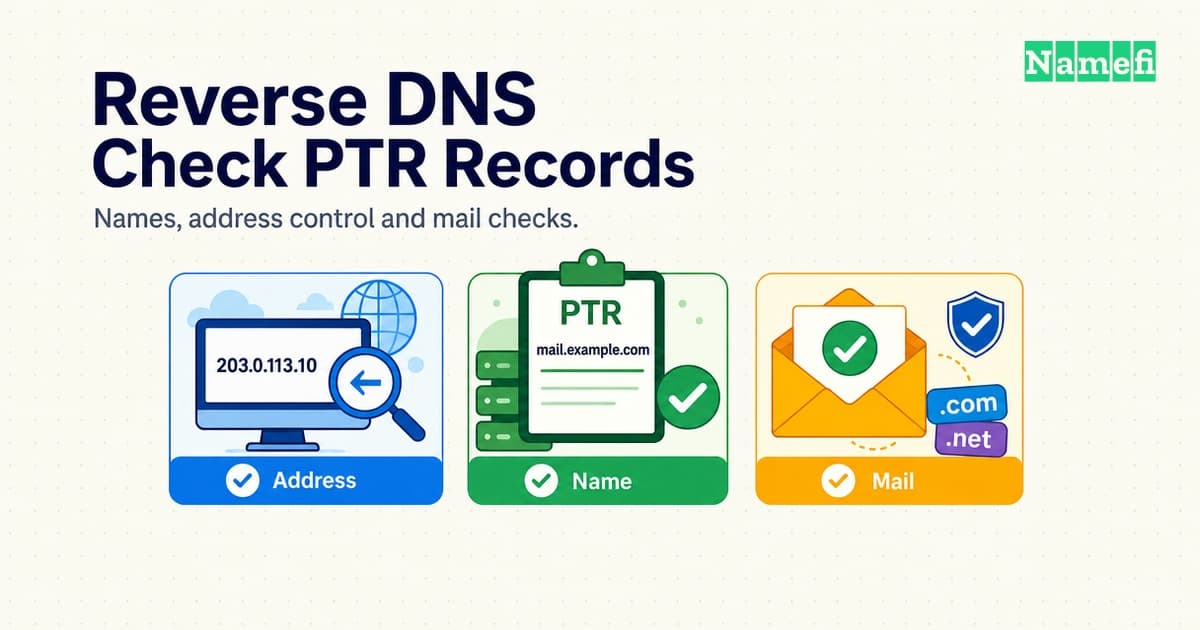
PTR Records Map IP Addresses to Names Without Proving Ownership
Learn who controls reverse DNS, how to check PTR and forward records, and why matching records do not replace email authentication.
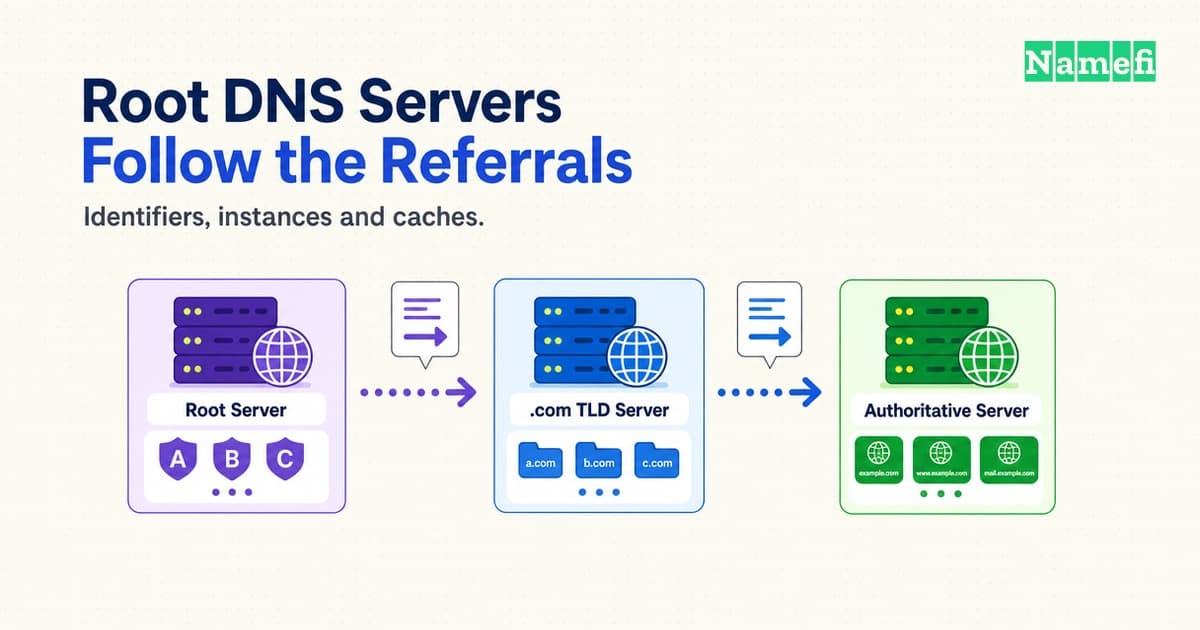
Root DNS servers direct resolvers toward top-level domains
Learn how root DNS servers provide referrals, why 13 names represent many instances, and how caching and DNSSEC change the lookup path.
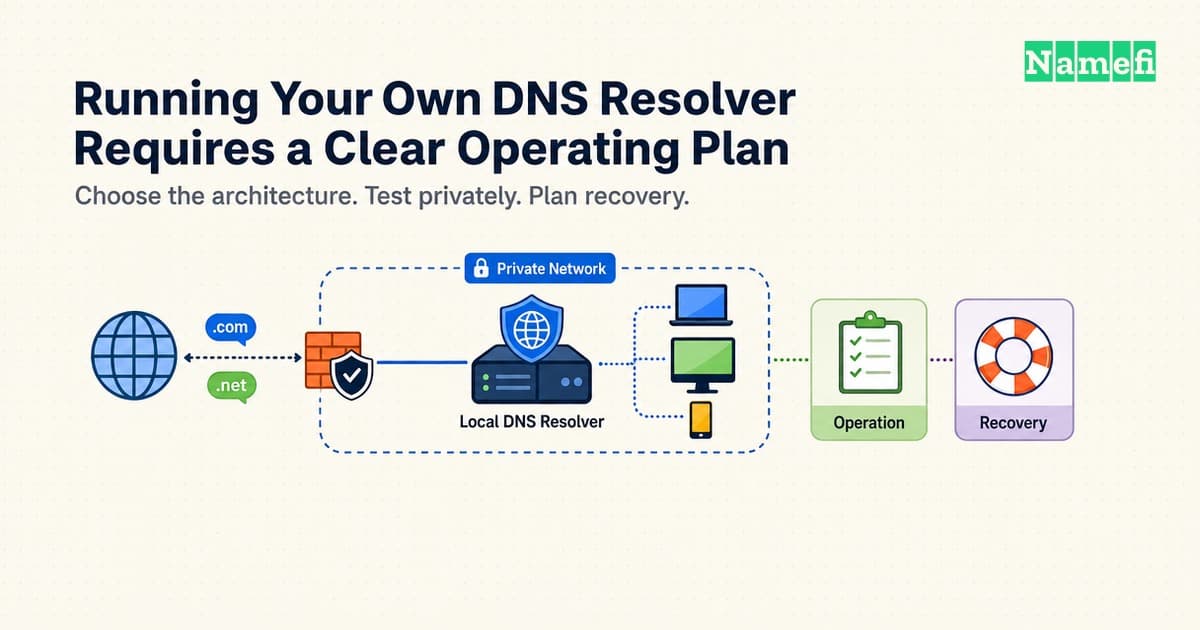
Running Your Own DNS Resolver Requires a Clear Operating Plan
Plan a private DNS resolver with Unbound, distinguish recursion from forwarding and dynamic DNS, and test access controls before a network rollout.
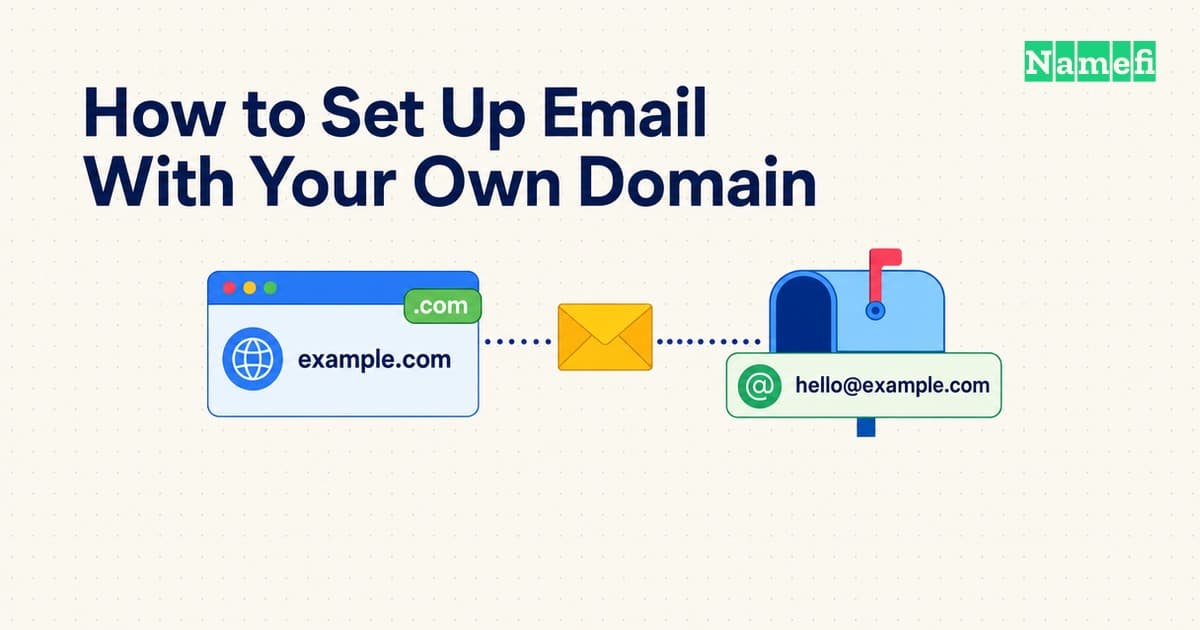
How to Set Up Email With Your Own Domain
Set up email on your domain by choosing an email host, verifying ownership, adding the required DNS records, and testing sending and receiving.
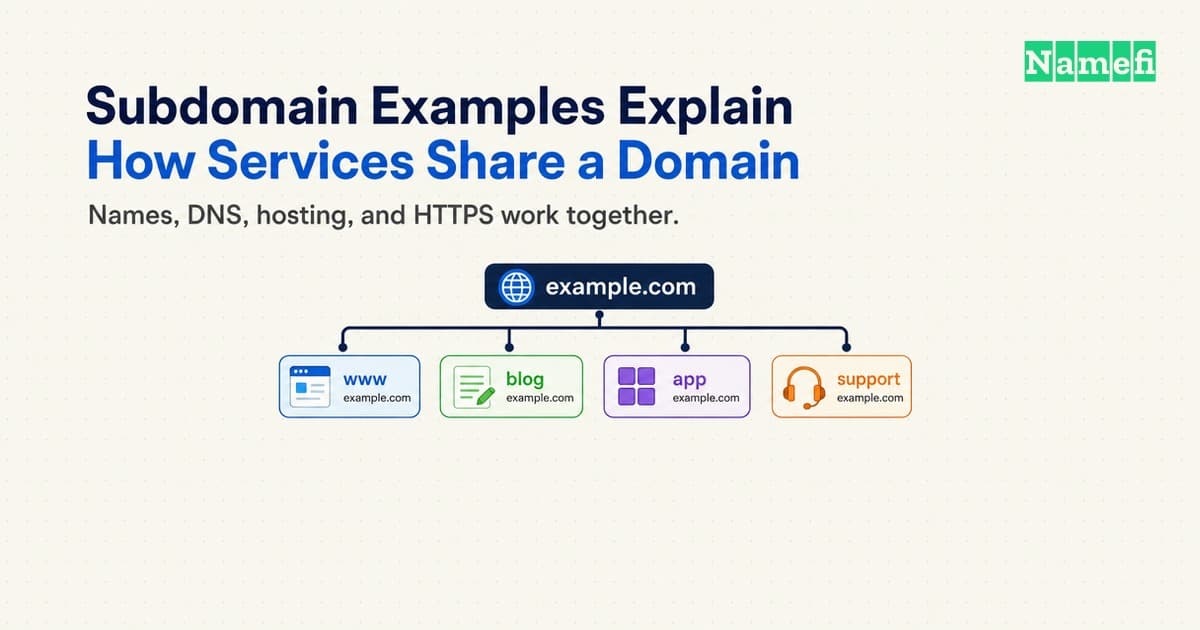
Subdomain Examples Explain How Services Share a Domain
Understand www, blog, app, and other subdomains, then plan DNS records, hosting, certificates, and service ownership before adding a hostname.
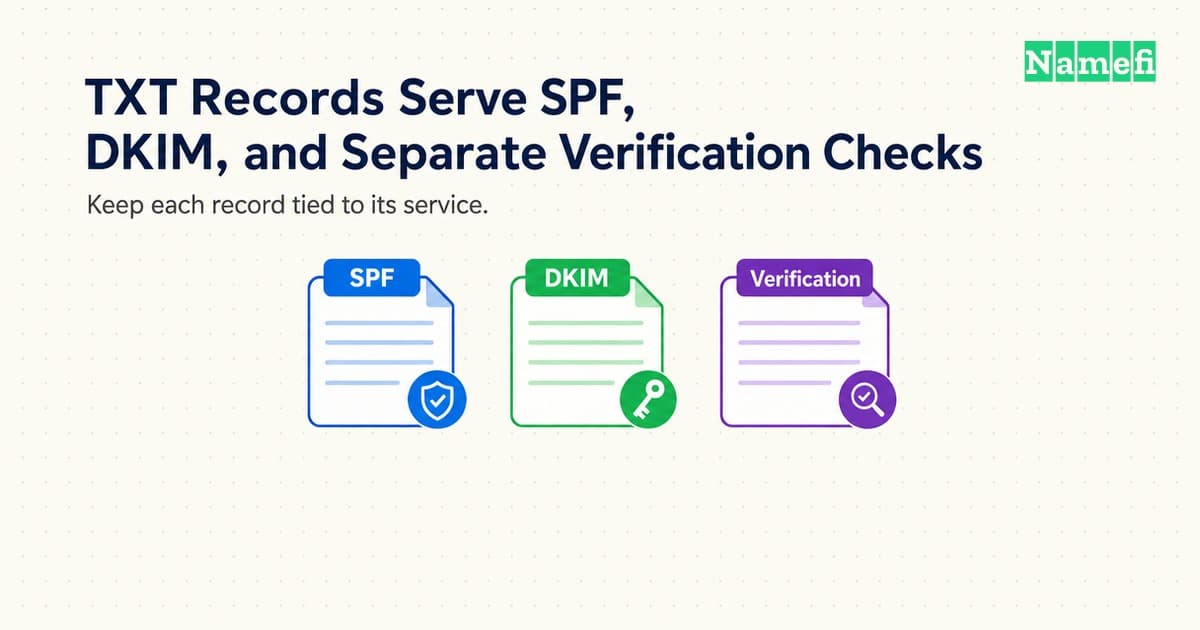
TXT Records Serve SPF, DKIM, and Separate Verification Checks
Publish SPF, DKIM, and service verification TXT records at the right names, preserve existing consumers, and test each change.
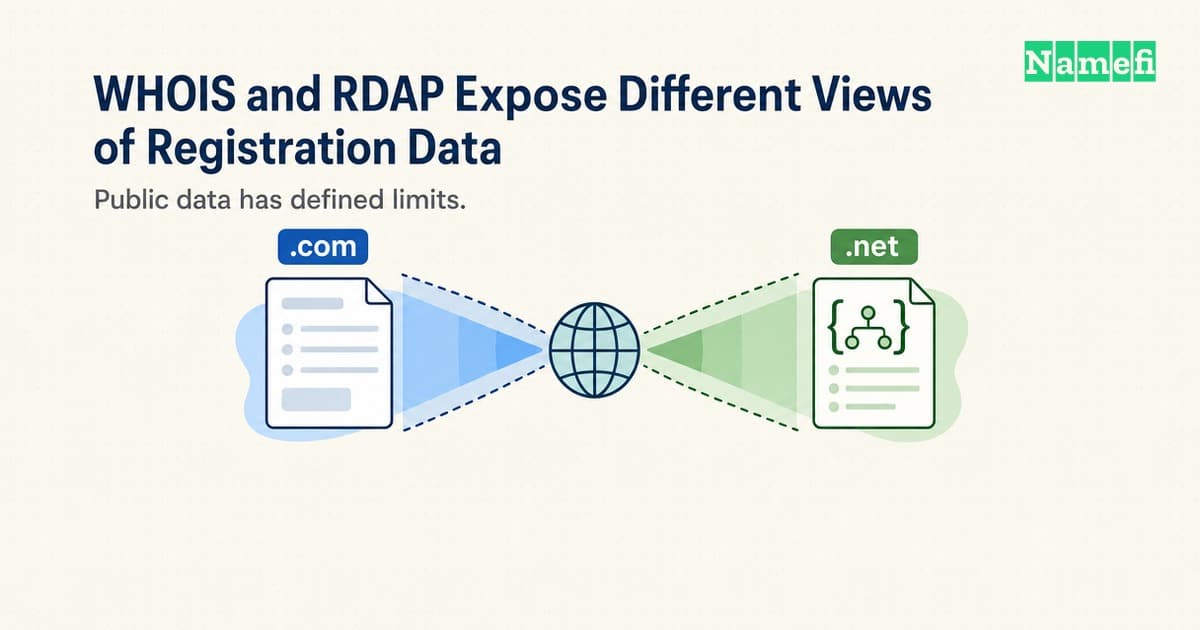
WHOIS and RDAP Expose Different Views of Registration Data
Understand the RDAP transition, public registration fields, redaction notices, and the limits of owner searches before interpreting a domain record.
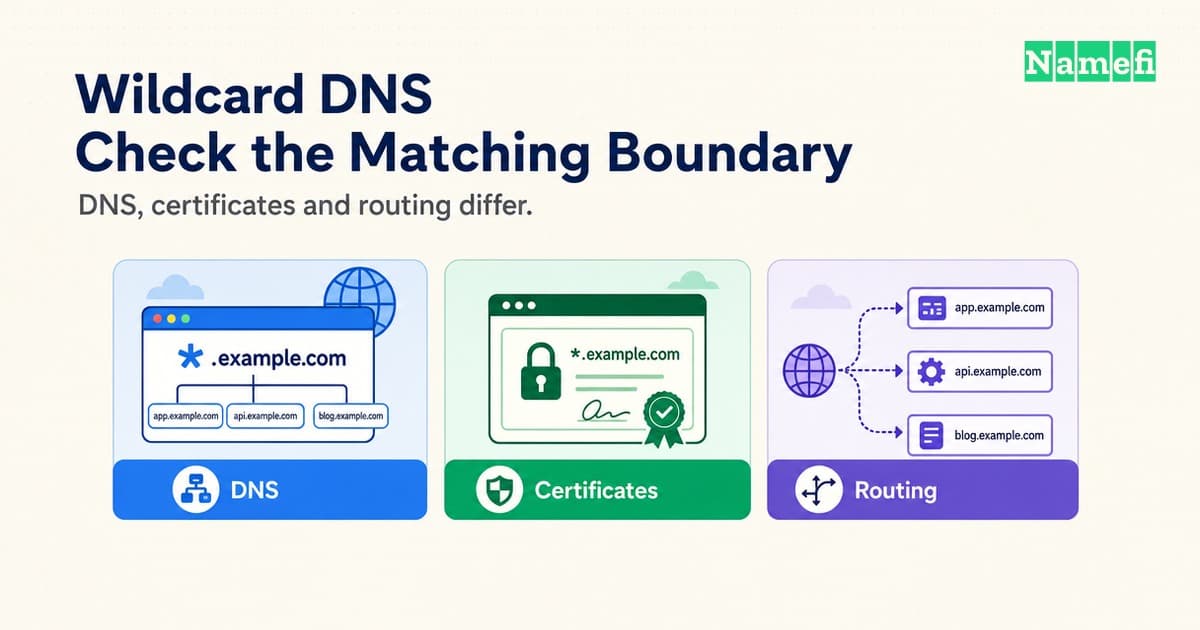
Wildcard DNS records answer missing names within a DNS tree
Learn what wildcard DNS matches, how existing names stop matches, and why DNS, TLS certificates, and website routing need separate checks.
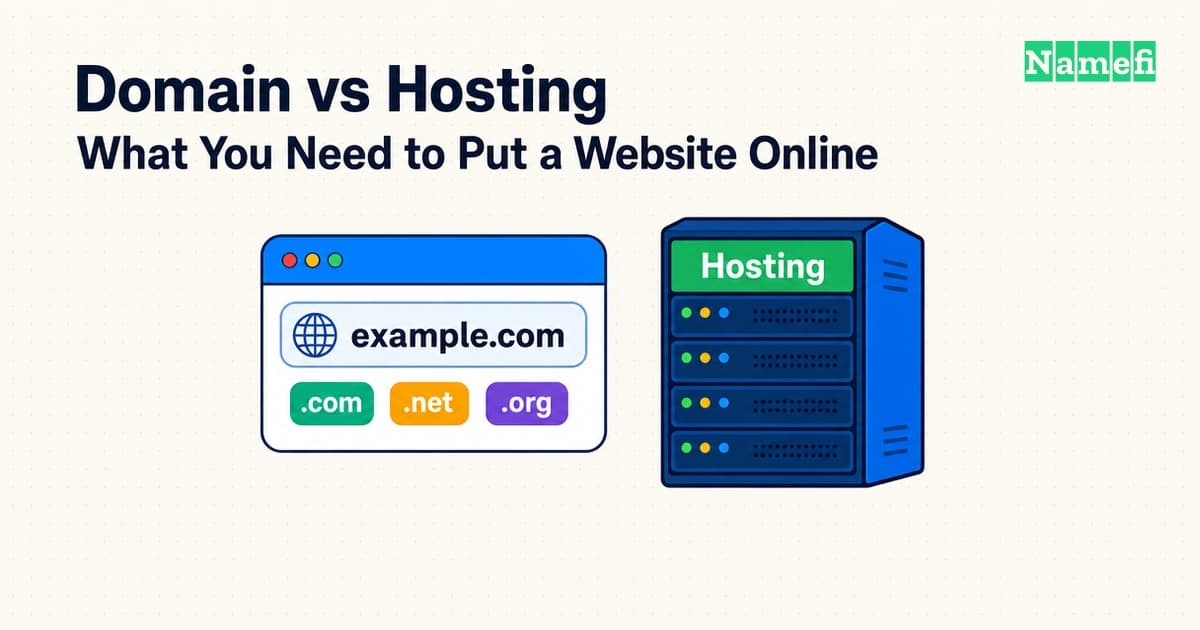
Domain vs Hosting: What You Need to Put a Website Online
Understand the difference between a domain name and web hosting, what each provides, and how to connect them when using different providers.
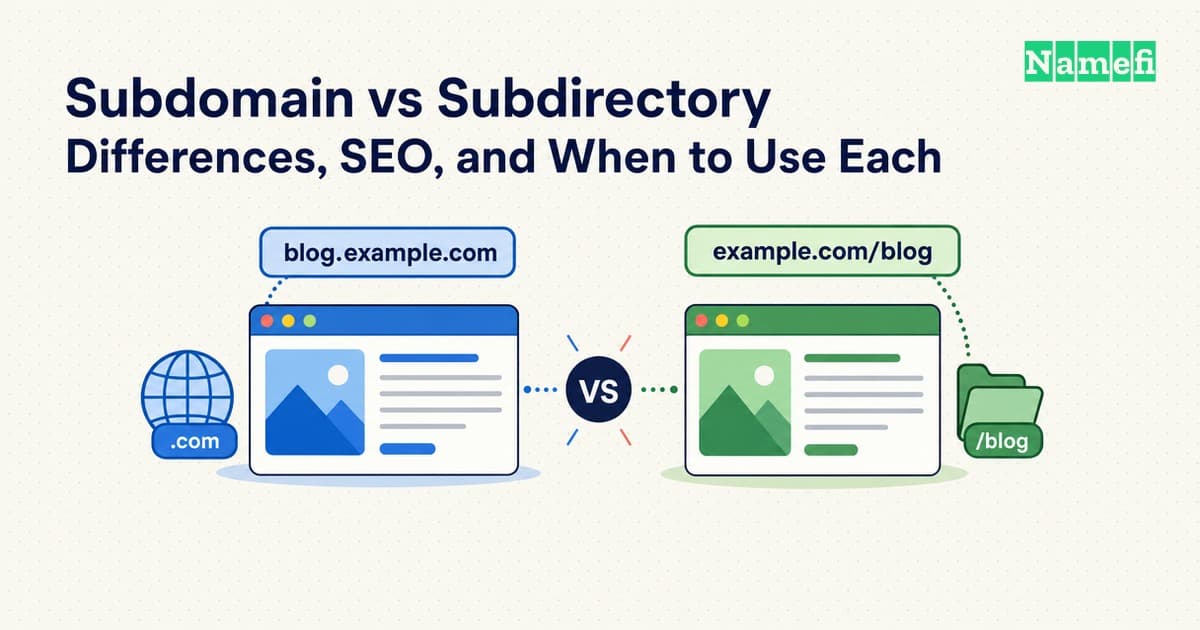
Subdomain vs Subdirectory: Differences, SEO, and When to Use Each
Compare subdomains and subdirectories for content, apps, and international sites, with practical management tradeoffs and Google's stated SEO guidance.
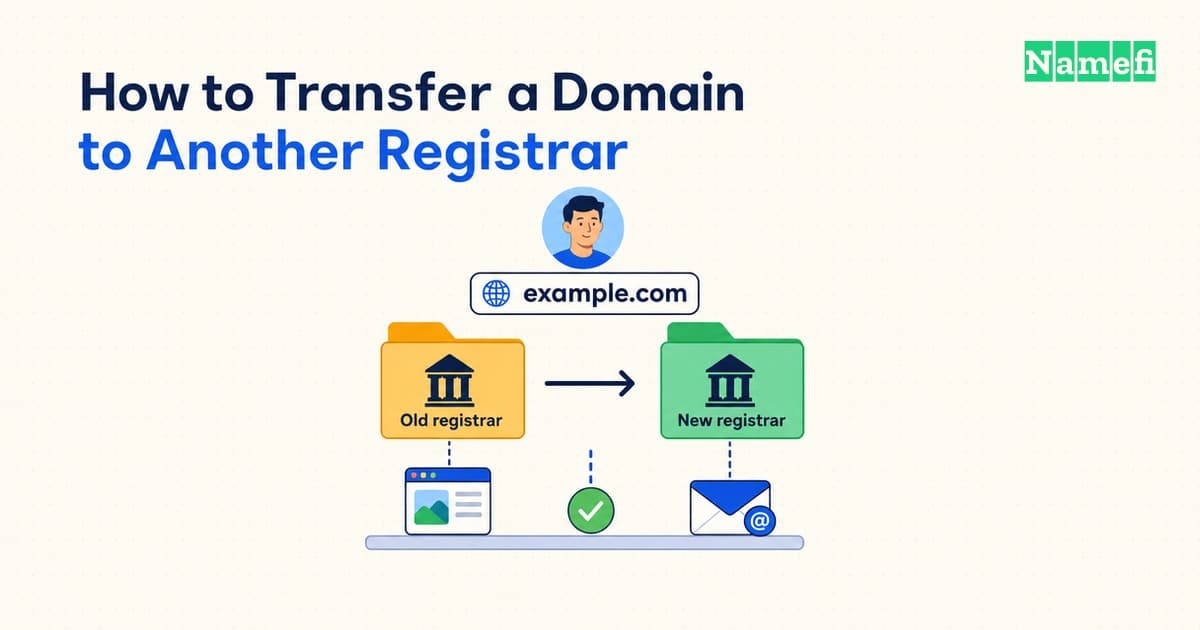
How to Transfer a Domain to Another Registrar
Plan a registrar transfer, check eligibility and locks, obtain the required authorization, and verify website and email continuity after the move.
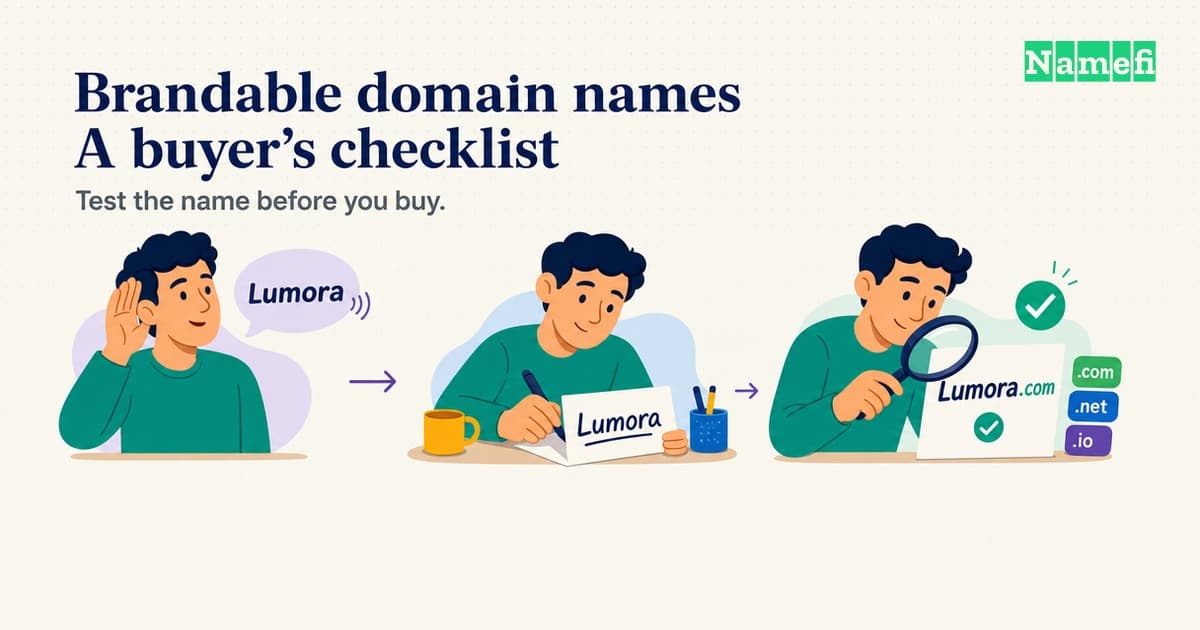
Brandable Domain Names: Examples and What Makes Them Work
Explore brandable domain name examples and the naming qualities behind them, from pronunciation and memorability to flexibility and fit.

How to Name Your Project: A Founder's Field Guide
A practical, research-backed guide for founders naming a project, product, or company: clear it legally, make it easy to say, generate strong candidates, check it across cultures, and run the searches that matter before you commit.
Domain Escrow Explained: How Safe Domain Transactions Work
A plain-English guide to escrow and domain escrow — what an escrow account is, how escrow works step by step in a domain sale, why it matters for avoiding fraud, traditional escrow services vs. the modern tokenized approach, and how smart contracts can replace escrow with atomic on-chain settlement.
What Is UDRP? Domain Name Dispute Resolution Explained
UDRP explained for domain owners and investors: the three elements a complainant must prove, the process and timeline, outcomes, UDRP vs URS vs court, and how to respond.
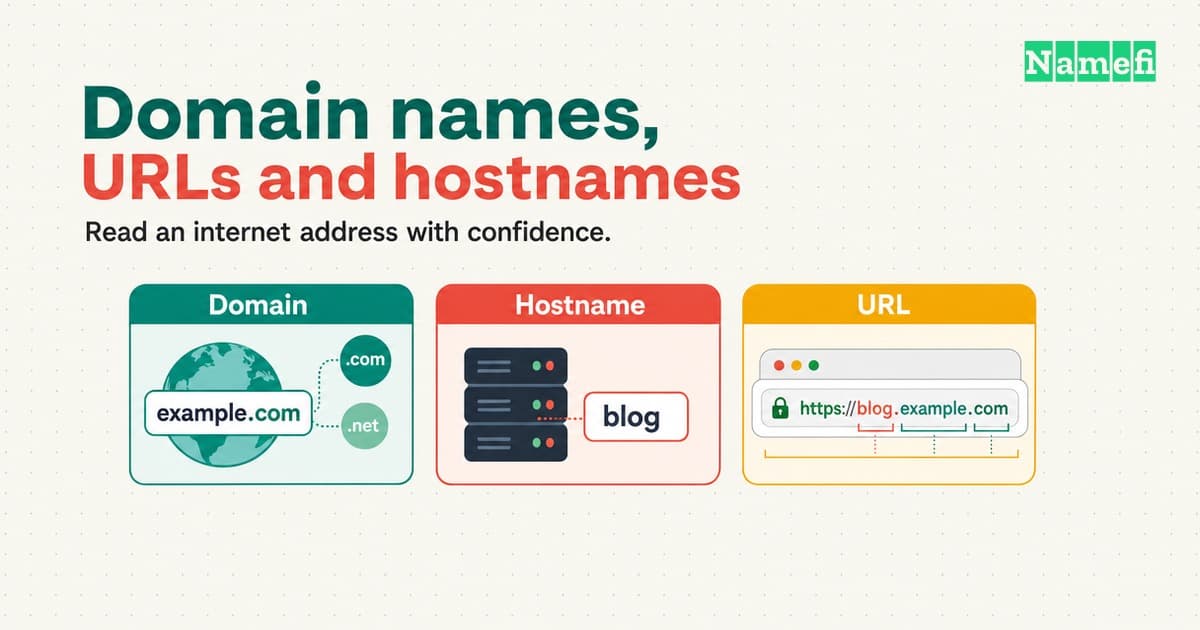
Complete Domain Name Terminology Guide - Essential Terms for Domain Investors
Learn domain terminology, including domain names, URLs, hostnames and the domain name space, plus essential domain investing terms.