Marketplace Discoverability for Domain Listings: Afternic and Sedo
How domain listings are discovered on Afternic and Sedo, which seller-controlled fields each platform actually exposes, and how registrar distribution, pricing, landers, and promotion differ.
- domains
- domain-investing
- domain-flipping
- guide

A listing cannot produce marketplace inquiries if buyers never encounter it. But "marketplace SEO" is a misleading shorthand: Afternic and Sedo do not expose one shared set of title, description, keyword, and category controls. Each platform has its own listing fields, distribution network, search behavior, sales formats, and paid promotion options.
This guide separates those systems. It explains the seller-controlled fields documented by Afternic, what Afternic's exact-match Search Insights measure, how Sedo's marketplace, category promotion, and SedoMLS distribution work, and what your own for-sale lander contributes. It sits under marketing your domains for sale and the wider domain flipping guide.
Discovery is platform-specific
When you list a domain for sale, you publish into the domain aftermarket — the secondary resale market for Internet domain names. Marketplaces and registrar partners can expose listings through their own search and purchase flows, but the available seller inputs differ. Do not invent a title, keyword, description, or category strategy until you have confirmed that the platform actually accepts that field and uses it in discovery.
Afternic: exact domain presentation, price, lander, and distribution
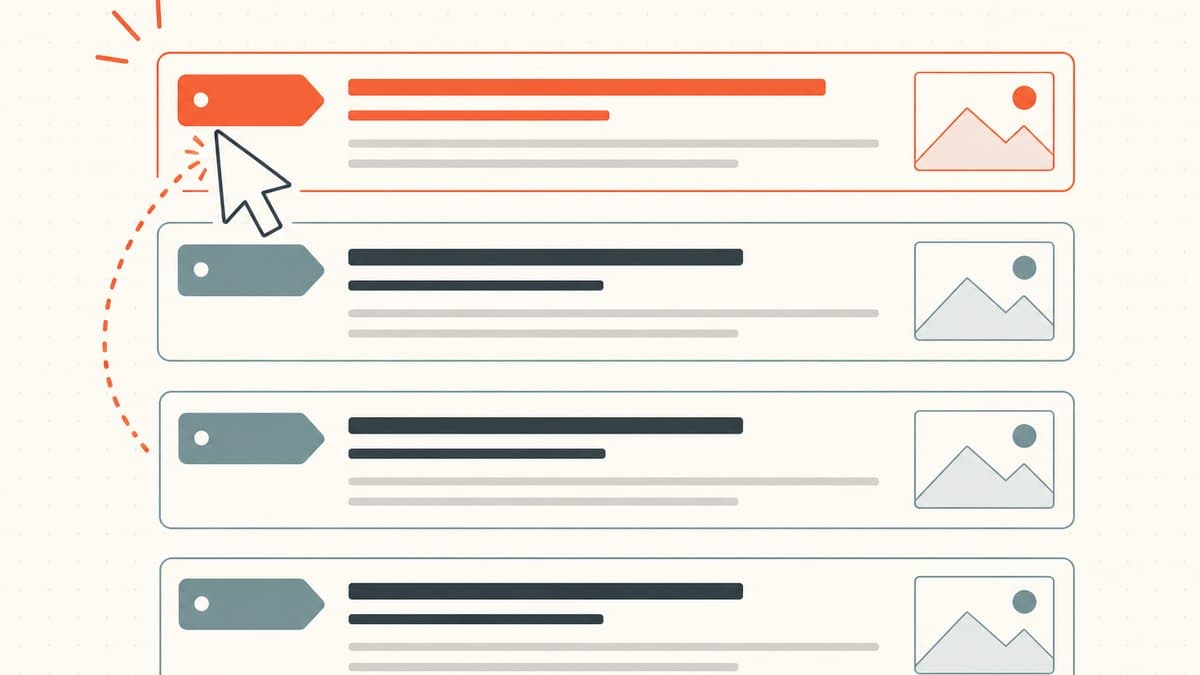
Afternic's documented bulk-listing workflow centers on the domain and its sales configuration. Its current bulk-upload walkthrough documents CamelCasing through the Domain Name column, Buy It Now and Make Offer presentation on the Custom Lander, Lease to Own and its maximum term, and lander selection. It does not document seller-authored SEO titles, descriptions, keyword tags, or categories as shared listing inputs.
That changes the practical checklist:
- Verify the exact domain and casing. CamelCasing controls how multiword names are displayed on Afternic landers; it does not create a separate marketplace title.
- Set only the sales options you intend to honor. Confirm Buy It Now, Make Offer, Lease to Own, maximum lease term, and lander selection in the current interface or template.
- Treat the listed price as transaction configuration, not an SEO field. A fixed price can make a listing eligible for purchase paths that require one, but no price guarantees visibility or a sale.
- Use the lander as the explanatory surface. If the selected lander supports custom presentation, verify what buyers actually see rather than assuming marketplace search indexes seller-written marketing copy.
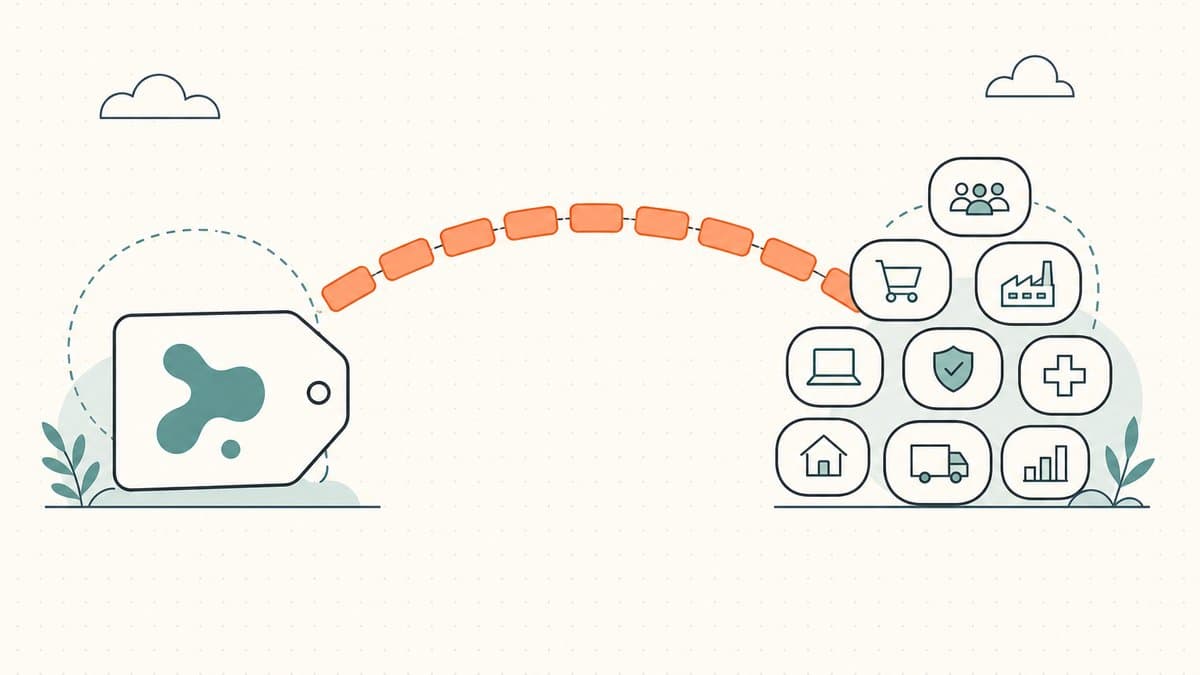
Afternic also distributes listings through registrar search. Its site currently advertises exposure across 125 million monthly search queries at leading registrars. That is Afternic's published network-level figure, not a promise that a particular listing will receive traffic.
What Afternic Search Insights actually measure
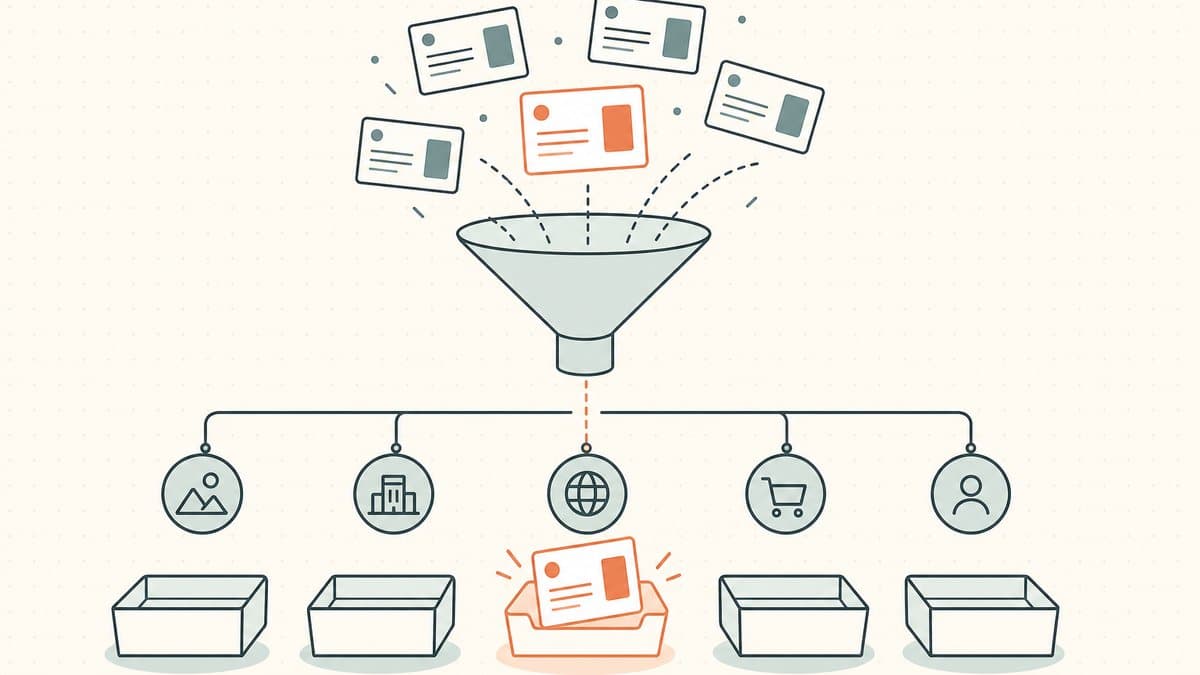
Afternic's GoDaddy Search Insights are exact-domain interest signals. If you own example.com, the metric counts filtered human searches for example.com at GoDaddy. Afternic explicitly says it excludes keyword-only searches such as example without the TLD and excludes non-exact matches.
That means Search Insights should not be described as evidence that seller-added keywords make an Afternic listing rank. Use the 30-, 90-, and 365-day exact-search totals as one portfolio signal, subject to the product's membership requirements and filtering methodology. They measure observed exact-domain searches, not all buyer demand and not open-web SEO.
Sedo: sales formats, marketplace filters, categories, and promotion
Sedo documents a different set of surfaces. Its current seller page offers Buy Now, Make Offer, marketplace auctions, direct auctions, brokerage, landers, and SedoMLS distribution. It also says marketplace buyers can narrow comparable offers with filter functions, including domain endings.
Categories are specifically documented in Sedo's paid promotion flow. A Category Showcase lets a seller choose a category and pays for highlighted placement in that category's results for a defined term. Sedo also offers a broader Homepage Showcase. Do not generalize those promotion controls into an Afternic category field, and do not assume unpaid Sedo listings receive the same placement.
SedoMLS is a separate distribution mechanism. Sedo currently says it promotes listings through more than 650 sales and registrar partner sites. Participation, commission, price-display preferences, registrar eligibility, and transfer behavior follow Sedo's current terms; the network size is not a per-domain traffic or sale guarantee.
Internal discoverability: don't waste the traffic you already have
Marketplaces aren't the only place a name can be found. A visitor may type the domain into a browser or follow an existing link. The amount and value of that traffic varies by name, so measure it rather than assuming it is a large or high-converting channel.
The marketing pillar covers parking pages and for-sale landers in depth. A lander should make the sale status and next step clear. We cover parking in domain parking and monetization and buyer flow in domain for sale landing pages. GoDaddy describes its lander's job as letting interested buyers know the domain is for sale and providing the information needed to purchase it; verify the live lander yourself after configuration.
External discoverability: being findable off the marketplaces
Some prospective buyers may begin outside a marketplace. Those channels have their own rules and should not be confused with Afternic or Sedo's internal search:
- Check multi-listing terms and stale-listing risk. If you list on more than one service, read each platform's exclusivity, commission, synchronization, and removal rules. A sale on one venue can make an active listing elsewhere unsafe.
- Give the domain's own page a clear, crawlable title and sale path. That can help an open-web searcher confirm the exact name, but indexing and ranking are controlled by the search engine and are not guaranteed.
- Use off-platform promotion selectively. Trader forums, domainer newsletters, and industry media reach different audiences. Follow their rules and avoid presenting promotion as organic marketplace ranking.
None of this replaces the listing. It surrounds it, so a buyer who starts anywhere can still find their way to your name.
A short checklist before you publish a listing
Before publishing, check the platform-specific configuration rather than a generic SEO template:
- Is the domain string and display casing correct?
- Are the price, Make Offer, Lease to Own, and auction choices exactly what you intend? Only check controls the selected platform actually exposes.
- Is the correct lander selected and verified at the live domain?
- Are any Sedo category or homepage promotions deliberate, current, and within budget? Do not assume promotion is free or permanent.
- If multiple networks carry the listing, are price and availability synchronized and are the terms compatible?
Those checks reduce configuration mistakes. They do not guarantee impressions, inquiries, or conversion; appraisal, pricing, buyer demand, platform distribution, and timing still matter.
The Namefi angle
Getting found is half the battle; the other half is the handoff. Once a listing does its job and a buyer commits, the trade still has to settle — and that's where high-value deals stall, because neither side wants to move first. The usual fix is a neutral escrow workflow, which we explain in domain escrow explained.
Namefi represents control of a real ICANN domain through tokenized ownership. A supported marketplace transaction can make payment and token transfer atomic, while registrar records, DNS, platform rules, and any buyer-claim steps remain separate boundaries to verify. Listing visibility and settlement are different problems; neither guarantees the other.
Friendly Disclaimer (Read Me!)
We're not lawyers, accountants, financial advisors, or doctors, and nothing in this article is legal, financial, tax, accounting, medical, or any other flavor of professional advice. We write these posts to educate ourselves and as a convenience for our customers. Info here may be out of date, geography-specific, or just plain wrong. We make mistakes too.
For any important decision, please consult a real professional (seriously!). Or if that's not your vibe, ask a friend, ask Twitter, ask Reddit, ask an AI, or ask a psychic. In short: DOYR - Do Your Own Research. Let's learn and have fun.
Sources and further reading
- Wikipedia — Domain aftermarket (definition of the secondary resale market)
- Afternic — registrar-network syndication claim (125M monthly search queries)
- Afternic — bulk upload fields, CamelCasing, Lease to Own, and lander selection
- Afternic — GoDaddy Search Insights (exact-domain searches; excludes keyword-only and non-exact searches)
- Sedo — seller options, filters, auctions, brokerage, landers, and SedoMLS
- Sedo — Homepage and Category Showcases; SedoMLS distribution
- GoDaddy — For Sale Lander (what a domain for-sale page does)
Contributors

Aileen Wright is a student in her twenties living in New York City, where the distance between a museum wall and a library reading room is a short walk and a long afternoon. She came to name writing through art and history — the way a single portrait, coin, or manuscript margin can carry a name across centuries and change its meaning on the way.
Most weeks you can find her in Central Park with a paperback, or in the quiet of a public reading room chasing down where a name actually comes from rather than what a name-list says it means. She is also teaching herself to code, which has made her oddly precise about spelling, sorting, and the small details that decide whether a name ages well.
For Namefi she writes about the history and culture behind domain names, the stories brands carry as they rename, and the difference between a good story and a verified source.

Victor Zhou is a technology founder and standards editor focused on digital identity and trust. He founded Namefi, edits Ethereum Improvement Proposals, and previously led smart-contract architecture work at Google Labs.
His work sits at the intersection of naming, ownership, and the systems people use to establish identity online. That perspective makes him especially interested in the way names move between personal meaning, public recognition, and digital infrastructure.
For Namefi, Victor edits and writes about domains as durable digital identity: how names become ownable onchain assets, how tokenization changes custody and trust, and what naming can learn from the systems people use to establish identity online.
Related guides
- For-Sale Landing Pages That ConvertHow to build a domain for-sale landing page that converts: a clear price or offer path, real trust signals, and a frictionless way to buy or make an offer.
- Running a Domain Portfolio Like a BusinessRun your domains like inventory: track cost basis, watch sell-through rate, control renewal drag, prune losers, and keep the books clean.
- Domain Pricing Psychology: Buy-Now vs Make-OfferHow listing mode and initial numbers can influence a domain sale: anchoring, when to name a price, planned concessions, and buy-now vs make-offer.
- Hand-Registering Domains to Flip: Finding Available GemsHow to find still-available domains worth a registration fee: wordlists, TLD permutations, brandable patterns, and the filters that beat impulse buys.