
Domain Appraisal Tools Compared: Estibot vs GoDaddy vs Reality
How automated domain appraisers like Estibot and GoDaddy actually work, where they systematically miss, and how to use them as a first filter.
- domains
- domain-investing
- domain-flipping
- comparison

Paste a domain into an appraisal tool and you get a number in about a second. It looks authoritative — a clean dollar figure, often with a list of comparable sales underneath it. New flippers treat that number as the answer. Experienced ones treat it as the first line of a much longer conversation.
Both Estibot and GoDaddy's appraiser are good at what they're built for, and genuinely bad at the one thing that decides most real sales. This guide explains how the two leading tools actually work, where they agree, where they diverge, and — the part that matters — the specific blind spot they share that no amount of machine learning fixes. It's a companion to our appraisal pillar, how to value a domain name, and part of the wider domain flipping series.
What an automated appraiser is actually doing
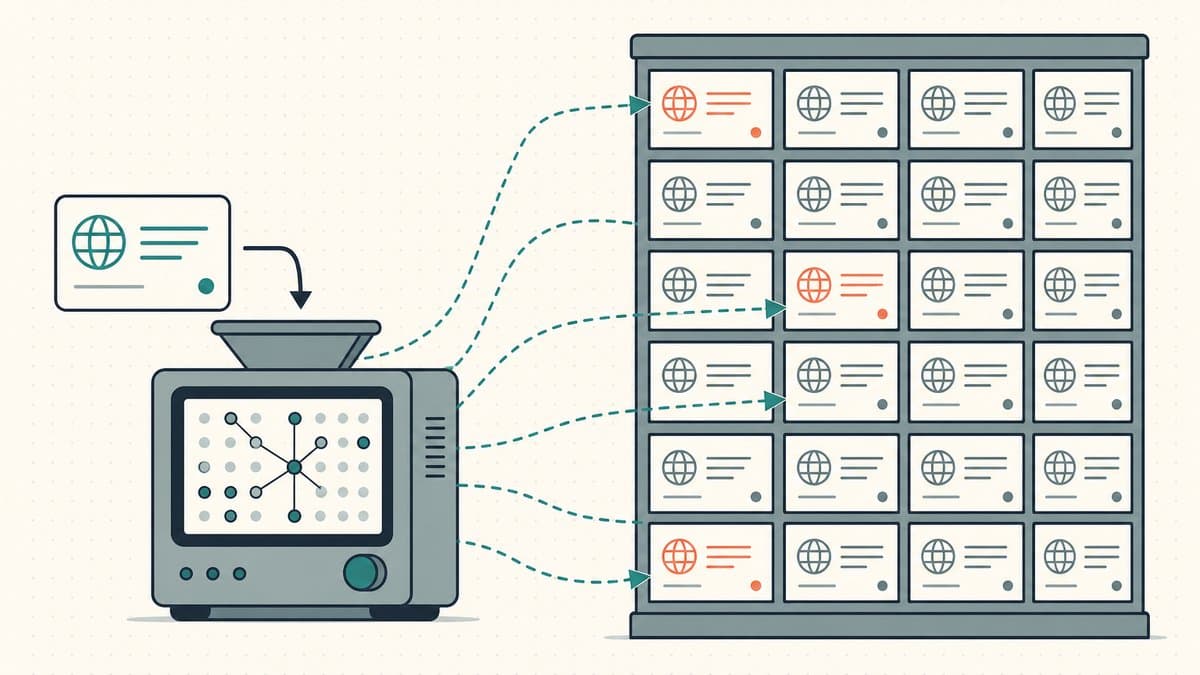
Under the hood, both major tools are doing the same thing: scoring your name against a large database of past sales using a model trained on the fundamentals that move price. They are pattern-matchers, not oracles.
GoDaddy is direct about the recipe. Its appraisal tool's algorithm uses proprietary machine learning and real market sales data to estimate domain values, and it frames the whole exercise in a way every flipper should internalize: think of a domain name's value like online real estate. That's the right mental model. A real-estate comp tool finds houses like yours that recently sold, then adjusts. A domain appraiser does the same with names.
Estibot describes the method in more granular terms. It relies on a statistically derived model to calculate the value of a domain name based on over one hundred internal and external domain attributes, and those attributes split into two buckets. Internal attributes include domain length, extension, word count, pronunciation — the things you can read off the name itself. External attributes refer to third party data such as a domain's search popularity, type-in rank — the demand signals around the name. Then the model does the comparison: the characteristics of a specific domain name are then compared to those of previously sold domain names and the valuation is based on that comparison.
Notice how closely the two methodologies track the value factors any human appraiser already weighs: length, the word, the extension, keyword demand, brandability. The tools haven't discovered a secret formula. They've automated the obvious one and run it against a bigger sales database than you could search by hand.
Where Estibot and GoDaddy agree
On the fundamentals, the two tools rarely fight, because they're reading the same signals.
Both reward shortness. GoDaddy states the rule plainly — basically, the shorter a domain, the higher the value — and Estibot lists length as a core internal attribute. Both weight the extension heavily, which is why the same string returns wildly different numbers on .com versus a budget TLD, and why a developer name on .io or an AI brand on .ai scores differently than the dictionary would suggest. Both factor uniqueness; GoDaddy says the tool factors uniqueness (among other things) into the equation. And both anchor on real sales rather than vibes, which is the single most important thing they do well.
For the work most flippers actually need — triaging a list of a hundred names into "worth a closer look" and "drop it" — this agreement is exactly what you want. When both tools independently say a name is plausibly a four-figure asset, that's a real signal worth acting on.
Where they diverge
The disagreements are quieter but they teach you something about each tool's bias.
The biggest practical difference is the database and the weighting. Each tool trains on its own corpus of sales and tunes its own model, so the numbers drift apart even when the direction agrees. It's common to see one tool return a figure several times the other's for the same name, especially on borderline or unusual names where there are few clean comps to anchor to. Neither is "right" — they're two estimates from two models, and the gap between them is itself information. A name where the two tools roughly agree is a name the market has priced before. A name where they're far apart is a name with thin or contradictory comps, which usually means you have to do the real appraisal work.
The second difference is what they surface alongside the number. GoDaddy leans into showing you comparable domain name sales so you can sanity-check the estimate against named deals — useful, because the comps matter more than the headline figure. Estibot leans into breadth of attributes and external demand data (search popularity, type-in rank), which makes it stronger at flagging names with real traffic or keyword pull behind them. If you care most about reading the comps yourself, that's one tool's strength; if you care about demand signals on keyword names, that's the other's.
The takeaway isn't "use Estibot" or "use GoDaddy." It's run both, treat the two numbers as the ends of a range, and pay attention to why they disagree.
The blind spot they share: the end user
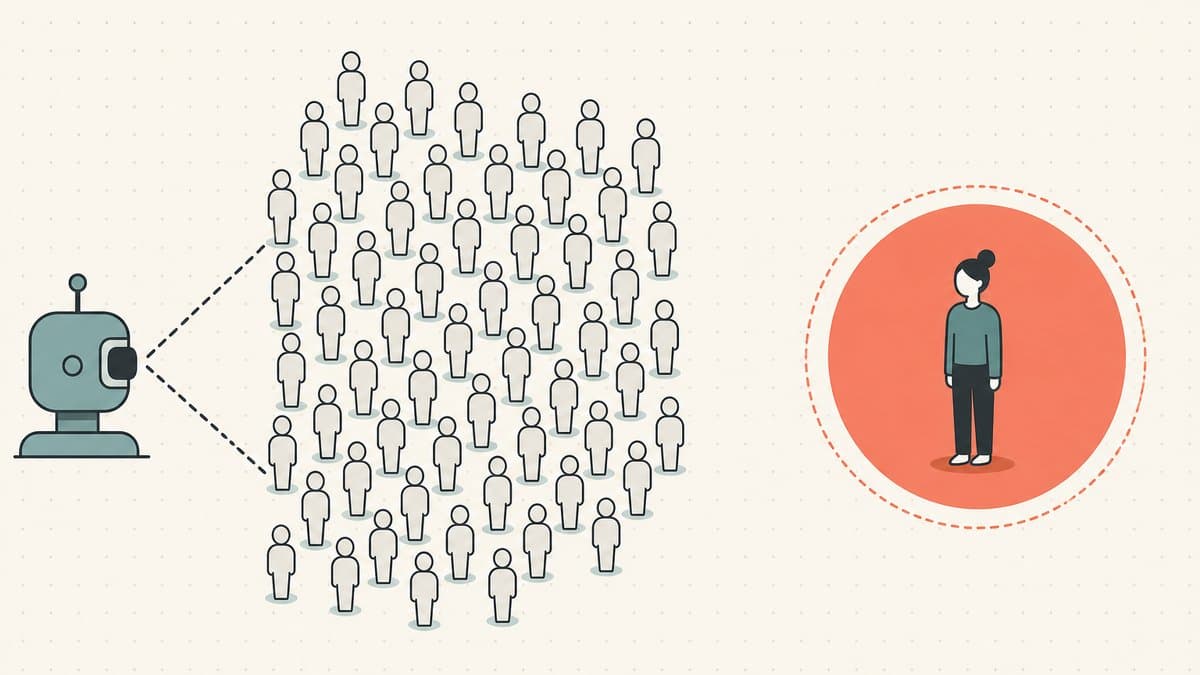
Here is the thing no appraisal tool can do, no matter how much sales data it ingests. It cannot see the one buyer who makes the sale.
Every automated valuation is a statement about the average market for names like yours. But domains don't sell to the average market. They sell to one specific buyer, at one specific moment, for one specific reason the model has no way to know. A regional dentist who wants the exact-match .com of their town. A funded startup that rebranded last quarter and needs your one-word name this quarter. A company quietly defending against a competitor who's circling the same string. None of that — intent, timing, strategic fit, urgency — is a feature any model can read off the name. It's the gap between end-user and reseller pricing, and it's exactly where the money is.
This is why an automated number and a real sale can look like they're describing different assets. The tool prices the name as inventory; the end user prices it as the front door to their business. As a working rule of thumb — not a measured statistic — flippers routinely see real end-user sales land well above the machine estimate, and routinely watch wholesale flips close below it. The deviation runs in both directions, which is the tell that the tool was never pricing the actual transaction in the first place. It was pricing the crowd. The sale is one person.
That blind spot isn't a bug to be patched. It's structural. The information that closes a five-figure deal — a stranger's roadmap, budget, and deadline — does not exist in any sales database, so it cannot be in any model trained on one.
Reading the comps, not just the number

The most valuable output of either tool is usually not the headline figure. It's the comparable sales underneath it.
A standalone number tempts you to anchor on it. The comps force you to do the appraiser's real job: find names structurally like yours — same length class, same keyword family, same extension — and read the spread of what they fetched, then adjust. The raw material exists at scale; per Wikipedia's domain aftermarket overview, according to NameBio, 144,700 domain name sales totaling US$185 million were recorded in 2024. That's a deep public record, and it's the same well the tools draw from.
Two cautions keep this honest. The public record skews to disclosed, low-to-mid-market deals, so comps for premium names are systematically thin — the big private sales often never surface. And no two domains are truly identical, so every comp needs adjusting; a naive match will happily pair flowers.com with flowerz.net and mislead you. Doing this well is its own skill, which is why we wrote how to read comparable domain sales. The tool hands you the comps. Reading them correctly is on you.
How to actually use these tools
Put together, a practical workflow falls out:
- Triage with both, fast. Run a list through Estibot and GoDaddy to separate plausible four-figure-plus names from the noise. This is what the tools are genuinely great at, and it's most of the value most days.
- Treat the two numbers as a range, not a price. Where they agree, trust the direction. Where they diverge sharply, that's your signal that the comps are thin and the name needs human judgment.
- Read the comps, ignore the headline. Pull the named sales the tool surfaces, find the ones structurally closest to your name, and build your own estimate off the spread. The single number is the least reliable part of the output.
- Layer in the extension's real behavior. A model scores the letters; it doesn't always price the durability of a ccTLD whose registry can restrict or whose country status is in flux. How the TLD affects value is a fundamental, not a footnote.
- Never quote a tool number to a buyer as fact. An end user can run the same free tool in ten seconds. Leaning on the machine figure caps your price at the machine's imagination, and ignores the one thing — their need — that justifies a premium.
The one-line version: use automated appraisers as a first filter, never as gospel. They tell you which names deserve your attention. They cannot tell you what your buyer will pay, because they have never met your buyer.
From a number to a closed deal
A good appraisal — tool-assisted, comp-checked, end-user-adjusted — tells you what to ask. It doesn't get you paid. That's a separate problem, and it's the one where high-value domain trading actually gets nervous: the buyer doesn't want to wire money before they control the name, and the seller doesn't want to release the name before the money lands. That standoff is downstream of pricing and it's where deals quietly die. We cover the mechanics in how to sell a domain name you own and the neutral-third-party workflow in domain escrow explained.
This is the gap Namefi is built to narrow. Tokenizing a real ICANN domain makes ownership easier to verify and transfer, so the handoff at closing is auditable and the name keeps resolving through the change. Price the name honestly with the tools as your first filter — then make the trade itself safe.
Friendly Disclaimer (Read Me!)
We're not lawyers, accountants, financial advisors, or doctors, and nothing in this article is legal, financial, tax, accounting, medical, or any other flavor of professional advice. We write these posts to educate ourselves and as a convenience for our customers. Info here may be out of date, geography-specific, or just plain wrong. We make mistakes too.
For any important decision, please consult a real professional (seriously!). Or if that's not your vibe, ask a friend, ask Twitter, ask Reddit, ask an AI, or ask a psychic. In short: DOYR - Do Your Own Research. Let's learn and have fun.
Sources and further reading
- GoDaddy — Domain Name Value & Appraisal tool (machine learning + real market sales data; shorter = higher value; online real estate framing; comparable sales)
- Estibot — Methodology (statistically derived model over 100+ internal/external attributes, compared to previously sold domains)
- Wikipedia — Domain aftermarket (NameBio 2024 sales volume)
Contributors

Aileen Wright is a student in her twenties living in New York City, where the distance between a museum wall and a library reading room is a short walk and a long afternoon. She came to name writing through art and history — the way a single portrait, coin, or manuscript margin can carry a name across centuries and change its meaning on the way.
Most weeks you can find her in Central Park with a paperback, or in the quiet of a public reading room chasing down where a name actually comes from rather than what a name-list says it means. She is also teaching herself to code, which has made her oddly precise about spelling, sorting, and the small details that decide whether a name ages well.
For Namefi she writes about the history and culture behind domain names, the stories brands carry as they rename, and the difference between a good story and a verified source.

Victor Zhou is a technology founder and standards editor focused on digital identity and trust. He founded Namefi, edits Ethereum Improvement Proposals, and previously led smart-contract architecture work at Google Labs.
His work sits at the intersection of naming, ownership, and the systems people use to establish identity online. That perspective makes him especially interested in the way names move between personal meaning, public recognition, and digital infrastructure.
For Namefi, Victor edits and writes about domains as durable digital identity: how names become ownable onchain assets, how tokenization changes custody and trust, and what naming can learn from the systems people use to establish identity online.
Related guides
- Brandable vs Keyword Domains: Which Sell Better?Brandable invented names vs exact-match keyword domains: who buys each, which resells more reliably, and the trademark angle every flipper should know.
- Where to Sell Domains: Afternic vs Sedo vs Dan vs NamefiAfternic vs Sedo vs Dan vs onchain marketplaces compared on reach, fees, and fast transfer — plus how to list one name across several at once.
- How We Cut AI Buyer Discovery Cost by 85%: Start Lean, Escalate With EvidenceA practical method for cheaper buyer discovery using progressive model escalation, LLM-as-judge gates, and Laminar traces and evals.
- ENS vs DNS Domain Flipping: What's DifferentHow flipping ENS .eth names differs from flipping traditional DNS domains: ownership, liquidity, renewal, gas, and what each is good for.